Walking into a dermatologist’s office with a list of skin concerns is smart. But what you say-or how you say it-can make a big difference in what happens next. Many people leave with a prescription they don’t need, a misdiagnosis, or worse, no real solution at all. It’s not that dermatologists aren’t skilled. It’s that some things patients say accidentally shut down the conversation before it even gets to the real problem.
"I’ve been using this for years and it works fine"
This is one of the most common things people say, and it’s often a red flag. If you’ve been using the same over-the-counter cream, scrub, or serum for five years and your skin still breaks out, turns red, or flakes, it’s not working. It’s just not getting worse yet. Dermatologists hear this all the time. The truth? Long-term use of harsh ingredients like alcohol, fragrances, or high-percentage acids can silently damage your skin barrier. You might think you’re keeping things under control, but you’re actually training your skin to react worse over time. A 2024 study in the Journal of Clinical and Aesthetic Dermatology found that 68% of patients with chronic rosacea had been using exfoliating products daily for over three years without realizing they were the cause.
"My friend said this product cured her acne"
Everyone has a friend who swears by baking soda, tea tree oil, or that weird cream from a TikTok ad. But skin doesn’t work like a one-size-fits-all app. What cleared up your friend’s hormonal chin breakouts might make your oily, sensitive skin flare up in days. Dermatologists aren’t against natural remedies-they’re against unproven, one-size-fits-all advice. Telling them your cousin’s neighbor used coconut oil and her eczema vanished doesn’t help. It distracts from what’s actually happening on your skin. Instead of naming products, describe what you’re seeing: "My cheeks get red and itchy after washing," or "I get deep, painful bumps under my jaw every month." That’s data they can use.
"I don’t wear sunscreen because I need vitamin D"
This myth won’t die. And it’s dangerous. Yes, sunlight helps your body make vitamin D. But you don’t need to burn, tan, or skip sunscreen to get it. Just 10-15 minutes of midday sun on your arms or legs, two or three times a week, is enough for most people. Even then, your skin makes vitamin D better in summer than winter. If you’re low, your dermatologist can test your levels and recommend a safe supplement. Skipping sunscreen because you think you’re "getting your dose" increases your risk of melanoma by 23% according to the Skin Cancer Foundation. That’s not a trade-off. That’s a gamble with your health.
"I only use natural products"
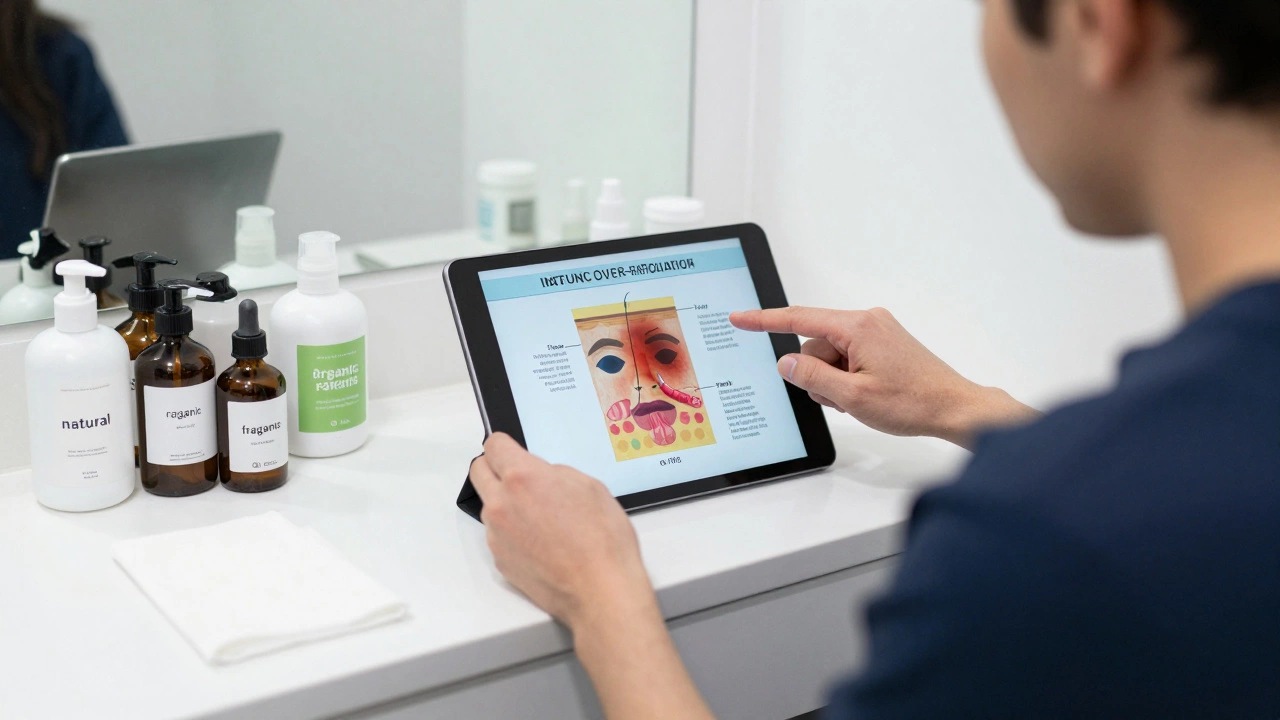
"Natural" doesn’t mean safe. Poison ivy is natural. Bleach is synthetic. Your dermatologist doesn’t care if your moisturizer is labeled "organic" or "chemical-free." They care about what’s on the ingredient list. Many natural ingredients-like citrus oils, essential oils, and plant extracts-are common triggers for contact dermatitis. A 2023 review in Contact Dermatitis showed that 32% of allergic skin reactions in patients who claimed to use only "natural" products were caused by tea tree oil, lavender, or ylang-ylang. If you’re avoiding certain ingredients because you believe they’re toxic, say that. Don’t say "I only use natural." Say: "I avoid parabens and sulfates," or "I get breakouts with fragrance." That gives your dermatologist real info to work with.
"I don’t have time to follow a routine"
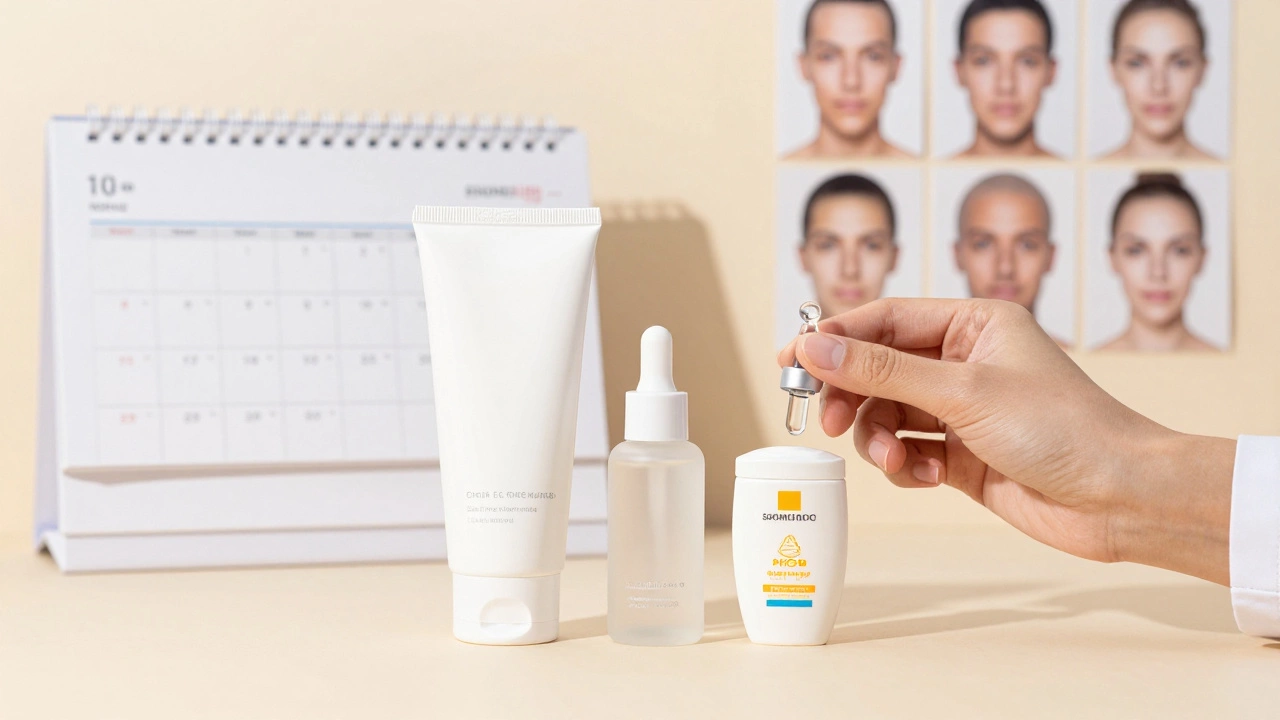
Skin care isn’t about 10 steps. It’s about three: clean, treat, protect. If you’re telling your dermatologist you don’t have time, they’ll adjust. But if you say it like it’s an excuse, they’ll assume you’re not serious. The truth? Most effective routines take less than five minutes total. A gentle cleanser in the morning, a retinoid or vitamin C at night, and sunscreen every day. That’s it. You don’t need serums, toners, essences, or overnight masks. If you’re overwhelmed, say: "I want something simple that actually works." That’s the exact phrase dermatologists want to hear.
"I don’t need to see you unless I have a breakout"
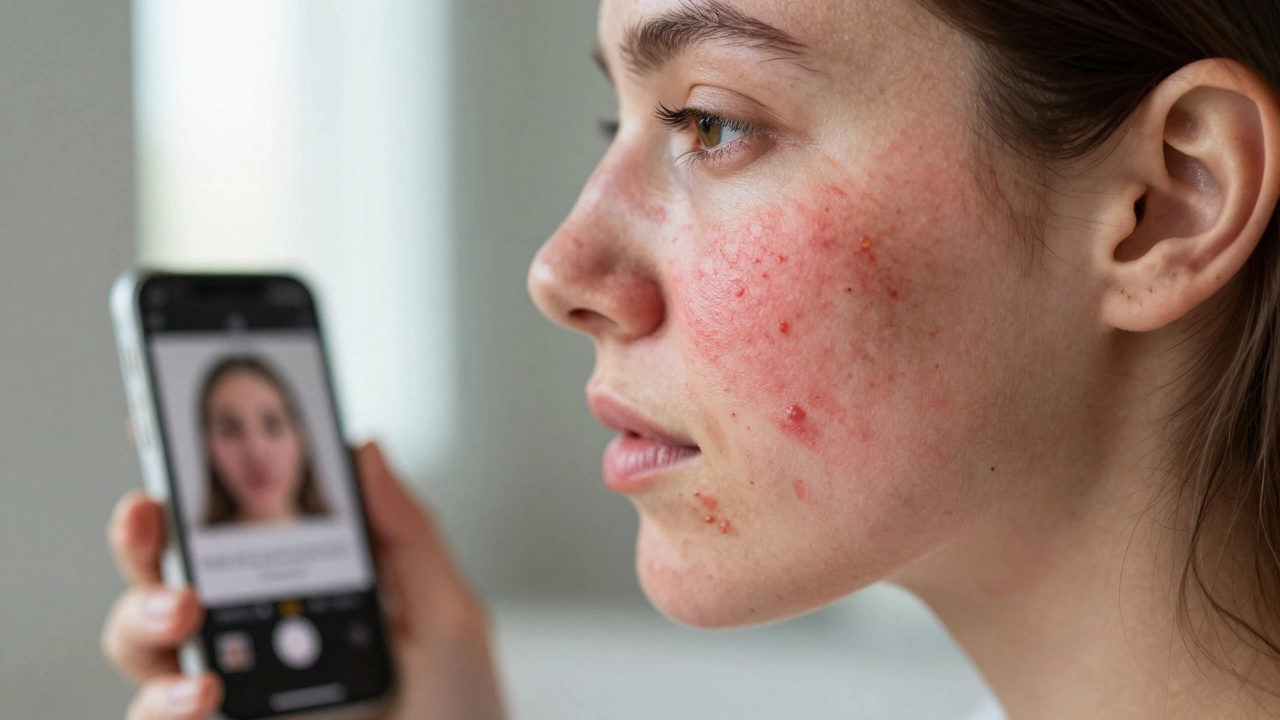
Most skin problems don’t start with a pimple. They start with subtle changes: dry patches, uneven texture, new moles, or persistent redness. Waiting until something looks bad means you’re treating the symptom, not the cause. Skin cancer, rosacea, and perioral dermatitis often look harmless at first. A mole that’s changing shape? A red patch that won’t go away? A rash that flares after using soap? Those aren’t "just skin issues." They’re signals. Dermatologists are trained to spot early signs. If you only come in when things are bad, you’re missing the window for prevention.
"I’ve tried everything"
This phrase shuts down the conversation. It sounds like you’re giving up. But what you really mean is: "I’ve tried a few things, none of them worked, and now I’m frustrated." That’s valid. But "I’ve tried everything" doesn’t tell your dermatologist what you’ve actually done. Did you try prescription tretinoin? Did you use it for 12 weeks like it’s supposed to be used? Did you stop because your skin got worse before it got better? Did you combine it with a moisturizer? Did you use sunscreen? If you can’t answer those questions, you haven’t tried everything. Dermatologists need details, not defeat. Say: "I tried X for six weeks and my skin got dry and flaky. I stopped because I thought it wasn’t working." That’s the kind of info that leads to solutions.
"I don’t care about my skin-I just want it to look better"
There’s a difference between wanting smoother skin and wanting to fix a medical issue. If you’re only focused on appearance, you might end up with a treatment that looks good short-term but harms your skin long-term. Lasers, chemical peels, and aggressive exfoliation can leave your skin thin, sensitive, and more prone to scarring. Dermatologists are trained to balance results with safety. If you say you don’t care about health, they’ll assume you’re not ready for real treatment. Say: "I want my skin to look even and feel healthy," instead. That tells them you’re thinking long-term.
"I don’t want to take pills"
Oral medications like antibiotics, spironolactone, or isotretinoin get a bad rap. But they’re often the most effective way to treat deep acne, hormonal breakouts, or autoimmune skin conditions. If you’re refusing them because you’re scared of side effects, say that. Don’t say "I don’t want to take pills" like it’s a moral stance. Your dermatologist can explain the risks, monitor your bloodwork, and adjust dosages. Many patients who avoid oral meds end up with scarring, depression from chronic acne, or years of failed topical treatments. There’s no shame in needing help from the inside out.
"My skin is just sensitive"
"Sensitive skin" is a catch-all phrase that means nothing to a dermatologist. Everyone’s skin reacts differently. But "sensitive" doesn’t explain why your skin burns when you wash it, or why it turns red after eating spicy food, or why you break out after using a new shampoo. Instead of labeling your skin, describe what happens: "My face stings when I use any cleanser," or "My cheeks turn bright red after hot showers." That’s actionable. Dermatologists can test for eczema, rosacea, or allergic reactions. They can’t fix "sensitive skin." But they can fix the actual condition behind it.
"I just want a quick fix"
There are no quick fixes for real skin health. Lasers, peels, and injectables can improve appearance fast-but they don’t fix underlying issues. If your skin is inflamed, dehydrated, or damaged, no treatment will last unless you fix the foundation. Your dermatologist isn’t trying to sell you a package. They’re trying to help you build lasting skin health. If you want fast results, say: "I have an event in two weeks. What can I do to look my best without harming my skin?" That’s a realistic, solvable problem. And dermatologists love those.
What to say instead
Instead of the usual phrases, try these:
- "I’ve noticed [specific change] over the last [time period]."
- "I’ve been using [product] for [length of time] and I’ve seen [effect]."
- "I’m worried about [specific concern], and I’d like to know what’s causing it."
- "I want something simple, safe, and effective."
- "Can you help me understand what’s really going on with my skin?"
These phrases open the door. They show you’re curious, not defensive. They give your dermatologist the information they need to help you-not guess at it.
Final thought
Dermatologists aren’t magicians. They’re doctors who work with what you tell them. If you say vague, misleading, or outdated things, you’re making their job harder. And that means you’re making your own skin care harder too. The best skin care isn’t about expensive products or trendy routines. It’s about honest communication. Tell the truth. Be specific. Stay open. Your skin will thank you.
What should I bring to my first dermatologist appointment?
Bring a list of all skincare products you use (including brand and frequency), a note of when your skin issues started, any triggers you’ve noticed (like stress, diet, or weather), and photos of your skin over the past few months. If you’ve tried prescription treatments before, bring the names and how long you used them. This saves time and helps your dermatologist avoid repeating tests.
Can I ask my dermatologist about my acne scars?
Yes, absolutely. Acne scars are a common concern. Be specific: Are they indented, raised, or discolored? Have they changed over time? Your dermatologist can recommend treatments like microneedling, laser resurfacing, or topical retinoids based on scar type. Don’t assume they’re only for active breakouts-they treat scarring too.
Do dermatologists judge you for not taking care of your skin?
No. Dermatologists see people at every stage of skin health-from those who never wash their face to those who use 12 products a day. They’ve seen it all. What matters is your willingness to talk honestly and follow through. They’re there to help, not to shame.
Is it okay to ask for a second opinion?
Yes, and it’s smart. Skin conditions can be tricky, and different dermatologists may have different approaches. If you feel unsure about a diagnosis or treatment plan, ask for clarification or seek another opinion. Many dermatologists encourage it. Just bring your records and photos to the next appointment.
How often should I see a dermatologist?
If you have no skin issues, once a year for a full-body skin check is enough. If you have acne, rosacea, eczema, or a history of skin cancer, you may need to go every 3-6 months. Don’t wait for a crisis. Regular visits catch problems early and prevent long-term damage.