Skincare Ingredient Safety Checker
Paste an ingredient name or a list of ingredients (comma-separated) to see if they are controversial, safe synthetics, or beneficial naturals.
Walk into any boutique store or scroll through social media feeds, and you’ll see the same bold claim everywhere: 100% chemical-free skincare. It sounds like the holy grail of beauty. You want pure nature on your face, right? But here is the uncomfortable truth that most marketing departments won’t tell you: there is no such thing as a product without chemicals.
If you are looking for a brand that contains absolutely zero chemicals, you will be disappointed. In fact, if you find one, run away. Water is a chemical ($H_2O$). Oxygen is a chemical. The vitamins in your orange juice are chemicals. Everything made of matter is composed of chemicals. So, when brands use this phrase, they aren’t talking about science; they are talking about a specific type of fear.
The Myth of "Chemical-Free" Products
To understand why this label is misleading, we have to look at how language works in the beauty industry versus how it works in chemistry. When a consumer says they want "no chemicals," they usually mean they want to avoid synthetic additives that are man-made substances often associated with irritation or toxicity. They are worried about parabens, sulfates, phthalates, and artificial fragrances.
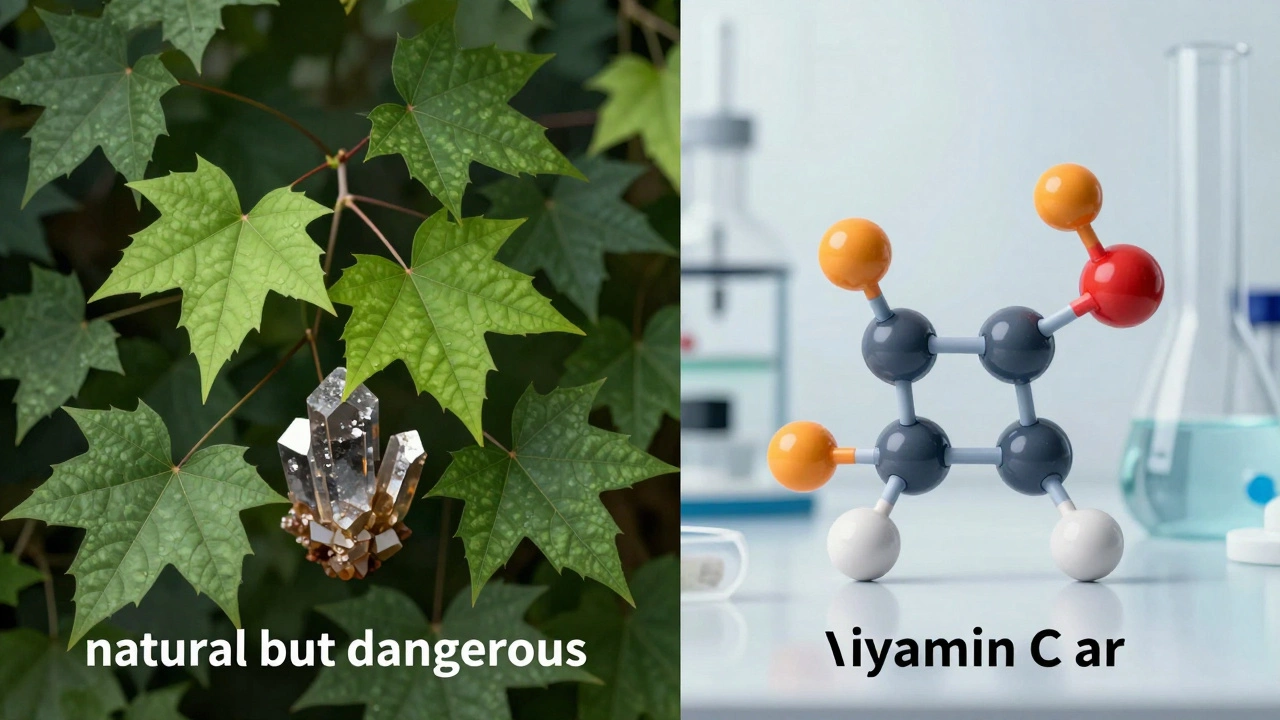
However, nature is full of potent chemicals too. Poison ivy is natural. Arsenic is natural. Just because something comes from a plant doesn't mean it’s safe or gentle. Conversely, many lab-created ingredients are safer and more stable than their natural counterparts. For example, Vitamin C (Ascorbic Acid) found in skincare serums is often synthesized because natural Vitamin C oxidizes quickly in sunlight, rendering it useless. The synthetic version lasts longer and works better.
The real question isn't "which brand has no chemicals?" It is "which brand avoids harmful or unnecessary synthetic ingredients?" This shift in perspective changes everything. It moves us from chasing an impossible myth to making informed choices about what touches our skin barrier.
What "Clean Beauty" Actually Means
Since "chemical-free" is scientifically impossible, the industry has pivoted to terms like "clean beauty," "non-toxic," or "organic." These terms are also not strictly regulated by agencies like the FDA in the United States or equivalent bodies in Europe and New Zealand. A brand can slap "clean" on a bottle and still include ingredients that some dermatologists consider irritating.
Generally, when people seek these products, they are looking for formulations that prioritize:
- Plant-derived ingredients: Oils, butters, and extracts sourced directly from botanicals.
- Minimal processing: Ingredients that haven't been heavily altered in a lab.
- Exclusion lists: Brands that publicly refuse to use certain controversial ingredients like formaldehyde releasers or endocrine disruptors.
This approach is valid, but it requires you to read labels. You cannot trust the front-of-packaging claims alone. You need to know which specific ingredients to watch out for and which ones are actually beneficial.
Top Brands Known for Minimal Synthetic Ingredients
While no brand is truly "chemical-free," several companies have built their reputations on using the fewest possible synthetic additives. These brands focus on high concentrations of active botanicals and simple preservation systems. Here are a few that stand out in 2026 for their transparency and formulation philosophy.
| Brand Name | Key Philosophy | Notable Ingredients | Potential Drawbacks |
|---|---|---|---|
| Weleda is a Swiss company known for biodynamic farming and holistic skincare | Biodynamic agriculture, minimal processing | Meadowsweet, Almond Oil, Calendula | Strong natural scents may irritate sensitive noses |
| Drunk Elephant is a US-based brand famous for its "Suspicious 6" exclusion list | Bio-compatible, pH-conscious formulas | Tropical oils, Peptides, Vitamins | Higher price point; some users miss fragrance |
| Herbivore Botanicals is a Seattle-based brand focusing on color-coded, plant-based actives | Simple, recognizable ingredient lists | Rosehip, Blue Tansy, Bakuchiol | Preservation can be tricky; shorter shelf life |
| Tata Harper is a Vermont-based farm-to-face luxury skincare line | Farm-grown ingredients, non-toxic synthesis | Kiwi Seed Oil, Kelp, Lavender | Very expensive; complex textures |
| Biossance is a sustainable brand utilizing sugarcane-derived squalane | Sustainable sourcing, clinically proven efficacy | Squalane, PHA, Moringa | Some formulas include silicones (safe, but disliked by purists) |
Notice that even these "natural" brands use scientific names on their labels. That’s because they are listing the actual chemical compounds. For instance, "Squalane" is a hydrocarbon. It’s just a hydrocarbon that happens to be derived from sugar cane rather than shark liver oil. The source matters, but the molecule itself is still a chemical.
The Danger of Preservative-Free Claims
One of the biggest risks in chasing "pure" skincare is the desire for preservative-free products. Many consumers believe that preservatives are toxic and should be avoided at all costs. This is a dangerous misconception.
Water-based products-like toners, gels, and lotions-are breeding grounds for bacteria and mold. Without a preservative system, a jar of cream could harbor dangerous pathogens within days of opening. Some brands try to bypass this by selling single-use vials or anhydrous (oil-only) balms. While these reduce the need for strong preservatives, they are not always practical for daily routines.
Look for safe, effective preservatives like Phenoxyethanol is a widely used preservative considered safe in low concentrations or Potassium Sorbate is a salt derived from rowan tree berries used to inhibit yeast and mold. Avoiding preservatives entirely can lead to contaminated products that cause infections far worse than any potential irritation from a mild preservative.
How to Read Labels Like a Pro
Instead of searching for a magic "chemical-free" label, learn to spot red flags yourself. The INCI (International Nomenclature of Cosmetic Ingredients) list is standardized globally. If you see an ingredient you don't recognize, it’s likely a chemical name. That’s normal. What matters is whether that ingredient serves a purpose and is safe.
Here is a quick checklist for evaluating a new product:
- Check the first five ingredients: Ingredients are listed in descending order by weight. If water is first and your "active" botanical extract is last, you’re paying mostly for water.
- Look for "Fragrance" or "Parfum": This is a catch-all term that can hide dozens of undisclosed chemicals, including potential allergens. Opt for products scented with essential oils instead, though note that essential oils can also irritate sensitive skin.
- Avoid SLS/SLES: Sodium Lauryl Sulfate and Sodium Laureth Sulfate are harsh surfactants that strip the skin barrier. Look for gentler alternatives like Decyl Glucoside.
- Verify Certifications: Look for seals from organizations like COSMOS Organic is a global standard for organic and natural cosmetics, USDA Organic is a certification ensuring agricultural standards, or Ecocert is a French certification body for environmental management. These require rigorous testing and limit synthetic inputs.
Natural Doesn't Always Mean Better
It is easy to fall into the "appeal to nature" fallacy-the idea that natural equals good and synthetic equals bad. In skincare, this logic fails. Consider retinol. Retinol is a derivative of Vitamin A. While it exists naturally in small amounts in foods like carrots, the concentration needed to effectively treat acne and wrinkles is typically achieved through laboratory stabilization. Using only "natural" sources of Vitamin A would require impractical amounts of food-grade extracts to see results.
Similarly, hyaluronic acid was originally extracted from rooster combs. Today, it is produced via bacterial fermentation, which is cleaner, more ethical, and more consistent. Is fermented hyaluronic acid "chemical-free"? No. Is it better for your skin? Absolutely.
Your skin barrier is a sophisticated biological structure. It needs specific pH levels, lipids, and hydration to function. Sometimes, a carefully formulated synthetic emulsifier helps deliver moisture deeper than a raw plant butter ever could. The goal is balance, not purity for purity's sake.
Finding the Right Fit for Your Skin Type
Ultimately, the best brand for you depends on your unique skin concerns. A person with eczema might react badly to the essential oils in a "natural" brand, while someone with oily skin might thrive on a lightweight, synthetically stabilized gel.
If you have sensitive skin, patch test everything. Even lavender oil, often touted as soothing, is a common allergen. If you are dealing with hyperpigmentation, look for brands that combine natural brighteners like licorice root with stable, effective agents like niacinamide (which can be synthesized safely).
Don't let marketing scare you. Chemistry is not the enemy. Ignorance of what is in your jar is. By understanding that all skincare is chemistry, you empower yourself to choose products based on safety, efficacy, and sustainability rather than fear-mongering labels.
Is there really no such thing as chemical-free skincare?
Correct. All matter is made of chemicals, including water and oxygen. When brands say "chemical-free," they usually mean free from certain synthetic additives like parabens or sulfates. However, even natural ingredients like plant oils are complex mixtures of chemicals.
Are synthetic ingredients always bad for my skin?
No. Many synthetic ingredients are safer, more stable, and more effective than natural alternatives. For example, synthetic Vitamin C is more stable than natural Vitamin C. The key is to avoid specific harmful chemicals like formaldehyde releasers, but not all synthetics are dangerous.
Why do natural skincare brands still have long ingredient lists?
Natural ingredients are complex. A single plant extract contains hundreds of different chemical compounds. Additionally, products need preservatives, emulsifiers, and stabilizers to remain safe and usable. Even "simple" natural formulas require multiple components to work correctly.
What is the safest alternative to parabens?
Safe alternatives include Phenoxyethanol, Potassium Sorbate, and Benzyl Alcohol. These are widely studied and considered safe in regulated concentrations. Another option is using anhydrous products (oils and balms) which do not require water-based preservatives.
How can I tell if a "natural" brand is greenwashing?
Greenwashing occurs when a brand markets itself as eco-friendly without substance. Look for third-party certifications like COSMOS, USDA Organic, or Ecocert. Also, check the full ingredient list. If the first few ingredients are water and synthetic fillers, but the packaging highlights a rare flower, it’s likely marketing fluff.
Can essential oils replace synthetic fragrances safely?
Essential oils are natural, but they are highly concentrated and can be potent allergens. While they avoid the mystery of "fragrance" blends, they are not automatically safer for sensitive skin. Patch testing is crucial when switching to essential oil-scented products.