
Surgical Pain Profile Explorer
Select a procedure below to visualize its Visual Analog Scale (VAS) intensity and understand the specific nature of its recovery pain.
Whipple Procedure
Involves multiple major organs and a massive abdominal incision. Patients often report a searing, deep ache that makes finding a comfortable position nearly impossible for days.
Before we get into the specifics, let's get a handle on how doctors actually measure this. Since you can't exactly put a sensor on 'ouch,' medical professionals use the Visual Analog Scale (VAS), which is a tool used to measure pain intensity on a scale from 0 (no pain) to 10 (the worst pain imaginable). When we talk about the most painful surgeries, we're usually looking at those that involve deep tissue trauma, nerve manipulation, or organs that are incredibly sensitive to pressure and inflammation.
Quick Take: The Most Intense Recoveries
- Abdominal Surgeries: High pain due to muscle cutting and internal organ manipulation.
- Orthopedic Procedures: Bone-on-bone work and joint replacements often cause sharp, intense pain.
- Neurological/Spinal Work: Direct nerve involvement leads to electric-shock sensations.
- Thoracic Surgery: Opening the chest cavity affects breathing and core stability.
The Heavy Hitters: Which Surgeries Truly Hurt the Most?
If you ask a hundred surgeons, you'll get a hundred different answers, but a few procedures are notorious for their recovery period. One of the most feared is the Whipple Procedure. This is a complex operation to remove part of the pancreas, duodenum, and gallbladder, usually to treat pancreatic cancer. Because it involves several major organs and a massive abdominal incision, the pain is multifaceted-you have the surface wound, the deep internal inflammation, and the stress on your digestive system. Patients often report a searing, deep ache that makes it impossible to find a comfortable position for days.
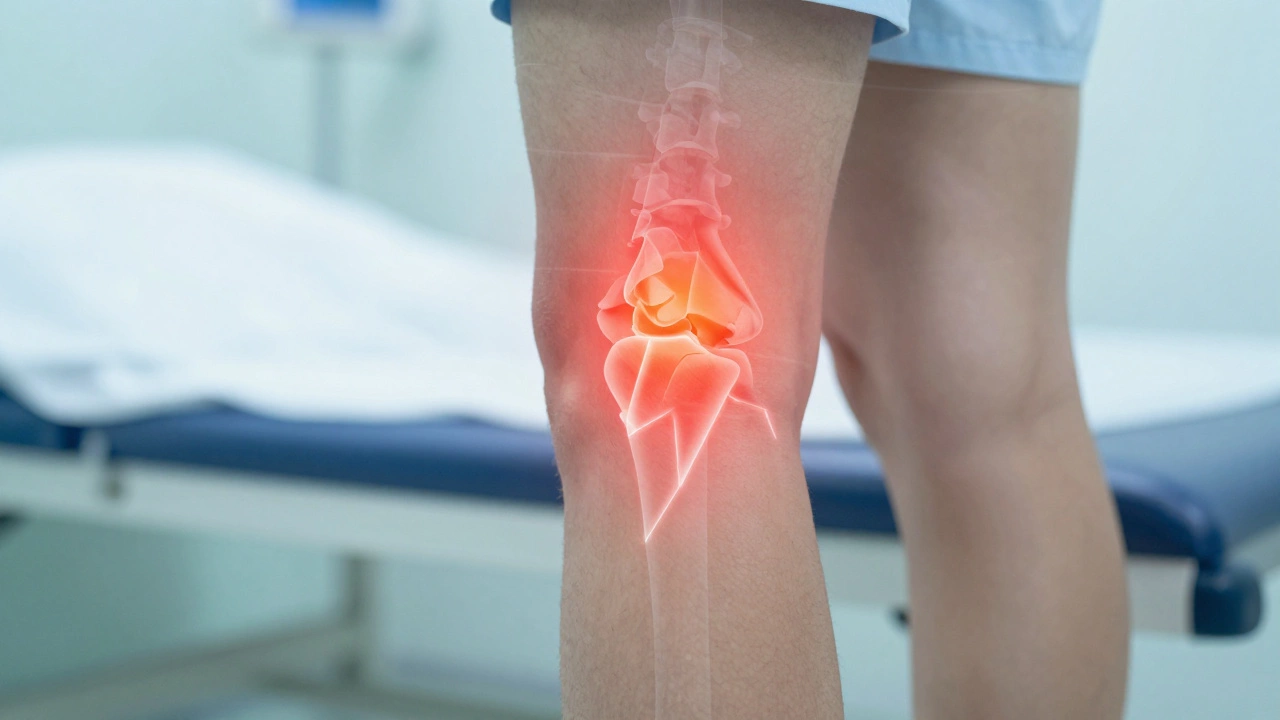
Then there's the world of orthopedics. Specifically, Hip Replacement Surgery and Knee Replacement. These aren't just 'soft tissue' fixes; surgeons are literally sawing through bone and hammering in metal and plastic. The pain here is often described as a crushing, throbbing sensation. Because these joints support your entire body weight, the pain spikes the moment you're asked to take your first few steps in physical therapy. It's a sharp, localized intensity that can feel like a hot iron is being pressed into the joint.
We can't ignore Open Heart Surgery, particularly when a Sternotomy (cutting through the breastbone) is required. While the heart itself doesn't feel pain in the way skin does, the chest wall is incredibly sensitive. Every breath, every cough, and every shift in the bed puts pressure on the sternum. This creates a restrictive, crushing pain that can feel like a heavy weight is sitting on your lungs, making the simple act of breathing an effort.
Finally, there are spinal fusions. When a surgeon works on the Spinal Cord or the surrounding vertebrae, they are operating in the 'electrical hub' of the body. Nerve impingement or irritation during recovery can lead to radiating pain, often called sciatica, where a lightning bolt of pain shoots from the lower back down to the toes. It's a different kind of pain than a cut-it's neurological, meaning it can be unpredictable and piercing.
Comparing the Pain Profiles
Not all pain is created equal. To help you visualize the difference, let's look at how these procedures stack up in terms of pain type and typical peak intensity.
| Surgery Type | Primary Pain Sensation | Peak Pain Period | VAS Score (Estimated Avg) |
|---|---|---|---|
| Whipple Procedure | Deep, searing, visceral | Days 1-5 | 8-10 |
| Hip Replacement | Crushing, throbbing, sharp | First 48 hours | 7-9 |
| Open Heart (Sternotomy) | Tight, restrictive, aching | First 7 days | 7-9 |
| Spinal Fusion | Electrical, radiating, piercing | Variable (Weeks 1-4) | 6-9 |
| Laparoscopic Gallbladder | Sharp, gas-related, bloating | First 24 hours | 3-5 |
Why Does Some Surgery Hurt More Than Others?
It usually comes down to three things: the location of the surgery, the type of tissue damaged, and the recovery requirements. For example, the abdomen is full of nerves and sensitive organs. When you cut through the abdominal wall, you're not just dealing with skin; you're dealing with muscle and fascia. This leads to a 'pulling' sensation every time you move. If the surgery is Laparoscopic (using small holes), the pain is significantly lower because there's less tissue trauma. However, if it's an 'open' surgery, the pain skyrockets.
Then there's the issue of movement. In a heart surgery, you can't just stay still; you have to breathe. In a hip replacement, you have to move the joint almost immediately to prevent clots. This forced movement during the peak inflammatory phase is what pushes the pain levels into the danger zone. If you could stay perfectly still for a month, these surgeries would feel much different, but that's not a medical option.
The Hidden Cost: Pain Management and Private Care
When people research private surgery cost, they often focus on the surgeon's fee and the hospital room. But there's a hidden financial and physical cost to pain management. In a private setting, you have more options for Multimodal Analgesia, which is the use of multiple types of pain medication (like combining opioids with non-steroidal anti-inflammatory drugs) to reduce the reliance on any single drug. This approach is generally more effective and has fewer side effects, like the heavy sedation or nausea associated with high-dose morphine.
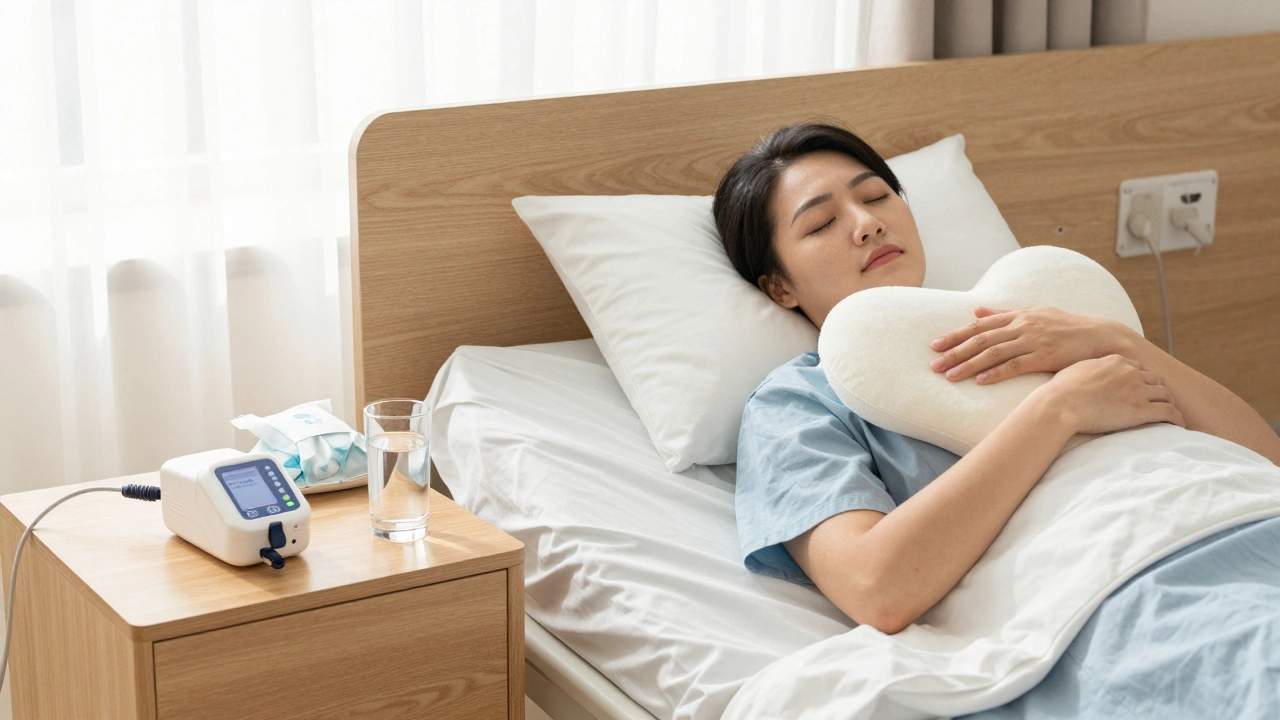
Private care often allows for better access to Epidurals or Patient-Controlled Analgesia (PCA) pumps. These allow the patient to self-administer a precise dose of pain medication, giving them a sense of control and reducing the anxiety that often makes pain feel worse. In a crowded public system, you might be waiting for a nurse to bring a pill; in a private clinic, the focus is often on 'pre-emptive analgesia'-stopping the pain before it even starts.
How to Manage the Aftermath
If you're facing one of these high-pain procedures, the goal isn't to reach 'zero pain'-that's almost impossible. The goal is 'functional pain,' where the discomfort is low enough that you can breathe, sleep, and move. Here are a few pro tips for surviving the recovery:
- Stay Ahead of the Curve: Don't wait for the pain to hit a 10 before asking for meds. Once pain peaks, it's much harder to bring it back down. Take your medication on the schedule the doctor provides, even if you feel okay at that moment.
- Ice and Heat: For orthopedic surgeries, ice is your best friend to kill inflammation. For chronic muscle aches after abdominal work, gentle heat can relax the tension.
- Positioning: Use pillows to support the surgical site. For a sternotomy, hugging a heart pillow while coughing helps stabilize the chest and reduces the sharp 'snap' of pain.
- Mental Framing: It sounds cheesy, but anxiety amplifies pain. Knowing that the first 48-72 hours are the peak helps you mentally brace for the storm, knowing it will get easier after day three.
Common Questions About Surgical Pain
Does the type of anesthesia affect post-op pain?
Yes. Local or regional anesthesia (like a nerve block) can keep a limb numb for hours or even days after surgery, which prevents the initial 'pain spike.' General anesthesia, while it puts you under, doesn't provide long-term pain relief once you wake up, meaning you rely entirely on postoperative medications.
Why do some people say a C-section is more painful than other major surgeries?
A C-section is a major abdominal surgery. The pain is high because it involves cutting through multiple layers of tissue and muscle. Additionally, the recovery is unique because the patient must immediately care for a newborn, which requires movement and twisting-actions that put immense strain on the fresh incision.
What is the 'worst' kind of surgical pain?
Most patients describe 'neuropathic pain' (nerve pain) as the most distressing. Unlike the dull ache of a bruised muscle, nerve pain feels like electricity, burning, or stabbing. This is common in spinal surgeries or when a nerve is accidentally nicked during a procedure.
Can I avoid opioids for high-pain surgeries?
It's very difficult for the 'top tier' painful surgeries, but 'opioid-sparing' protocols are becoming popular. This involves using a combination of nerve blocks, high-dose IV acetaminophen, and anti-inflammatories. While you might still need some opioids for the first 48 hours, the overall amount is significantly reduced.
Does a longer surgery mean more pain?
Not necessarily. The length of the surgery is less important than the *type* of work done. A long, minimally invasive surgery might result in very little pain, while a short, aggressive bone surgery can be excruciating.
Next Steps for Patients
If you're preparing for a surgery and you're worried about the pain, the best thing you can do is have a detailed conversation with your anesthesiologist. Don't just ask 'will it hurt?' Ask specifically about their pain management plan. Do they use nerve blocks? What is the multimodal strategy? Do they have a PCA pump available? Knowing the plan reduces anxiety, and as we've established, a calm mind is a better tool for pain management than any pill.