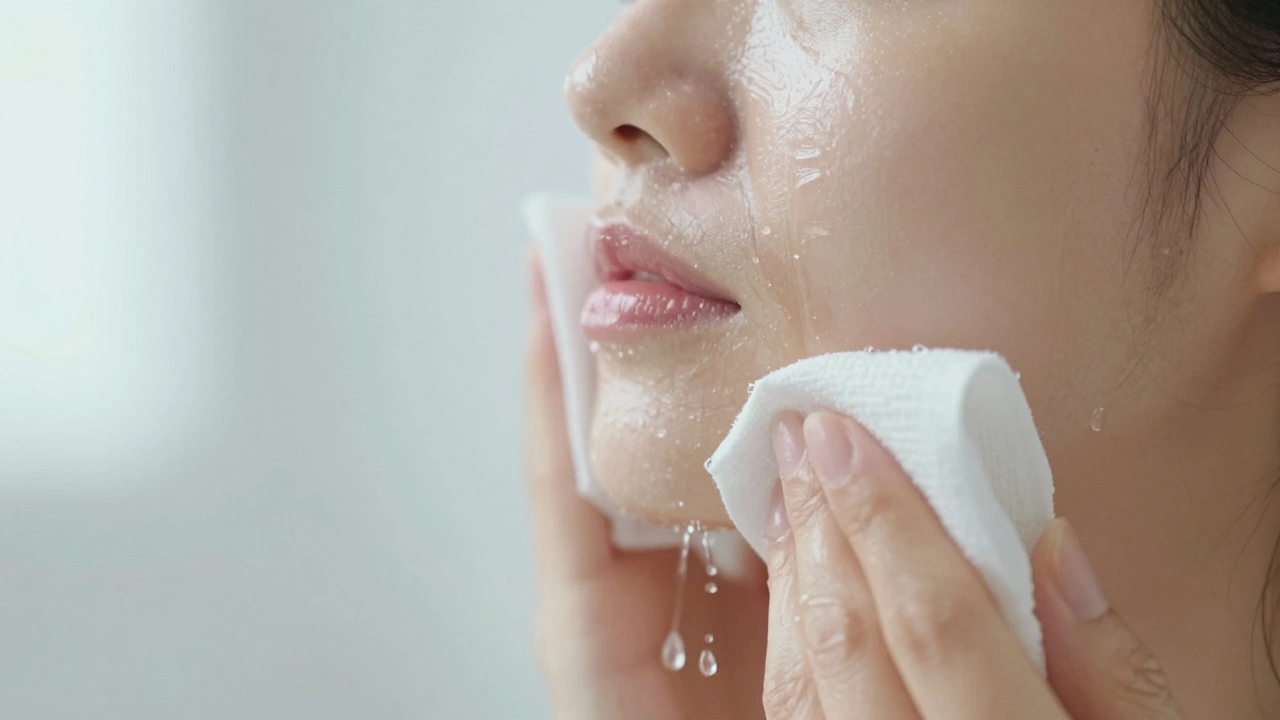
Natural Cleanser Finder
Select your skin type and primary goal to discover the perfect natural cleansing ingredient for your needs.
Your Recommended Match
Quick Tips for Natural Cleansing
- Water alone: Best for extremely dry or sensitive skin.
- Honey: Great for acne-prone skin due to antibacterial properties.
- Oils: Ideal for removing heavy makeup and deep cleaning pores.
- Colloidal Oatmeal: The gold standard for soothing irritated or itchy skin.
Most of us are taught that if a cleanser doesn't leave our skin feeling "squeaky clean," it didn't actually work. But that tight, shrinking feeling is actually a warning sign. It means you've stripped away your acid mantle-the thin, protective layer of lipids and sweat that keeps bacteria out and moisture in. When you use harsh sulfates, you're basically scrubbing away your skin's natural defense system. The most natural thing to wash your face with isn't a single product, but rather the simplest substance that respects your skin's unique pH balance.
The Purest Approach: Just Water
It sounds too simple to be true, but for many people, Water is the most natural and effective cleanser. When you use lukewarm water, you're removing surface dust and excess sweat without interfering with your sebum production. This is particularly effective for people with extremely dry skin or those dealing with chronic conditions like rosacea, where any added ingredient can trigger a flare-up.
If you decide to go the water-only route, the technique matters. Use a soft microfiber cloth to gently lift debris. This provides a very mild physical exfoliation that mimics the effect of a chemical peel without the irritation. However, water alone can't break down oil-based pollutants or heavy cosmetics, which is where we need to bring in nature's more active ingredients.
The Power of Raw Honey
If you need something that actually cleanses without the chemicals, Raw Honey is a powerhouse. Unlike soap, honey doesn't disrupt the skin's pH. It is a natural humectant, meaning it pulls moisture from the air into your skin, leaving you hydrated instead of tight.
Honey contains a small amount of gluconic acid, which gently exfoliates dead skin cells. More importantly, its antibacterial properties make it a dream for those struggling with breakouts. Try massaging a teaspoon of raw honey onto damp skin and letting it sit for two minutes before rinsing. You'll notice your skin feels soft and "plump" rather than stripped. This is a great alternative for anyone wanting to move toward natural face wash routines without sacrificing the feeling of a deep clean.

Oil Cleansing: Nature's Solvent
It feels counterintuitive to put oil on a face you're trying to clean, but the chemistry is simple: like dissolves like. Oil Cleansing uses plant-based fats to bind to the sebum and makeup trapped in your pores, pulling them out without drying the skin.
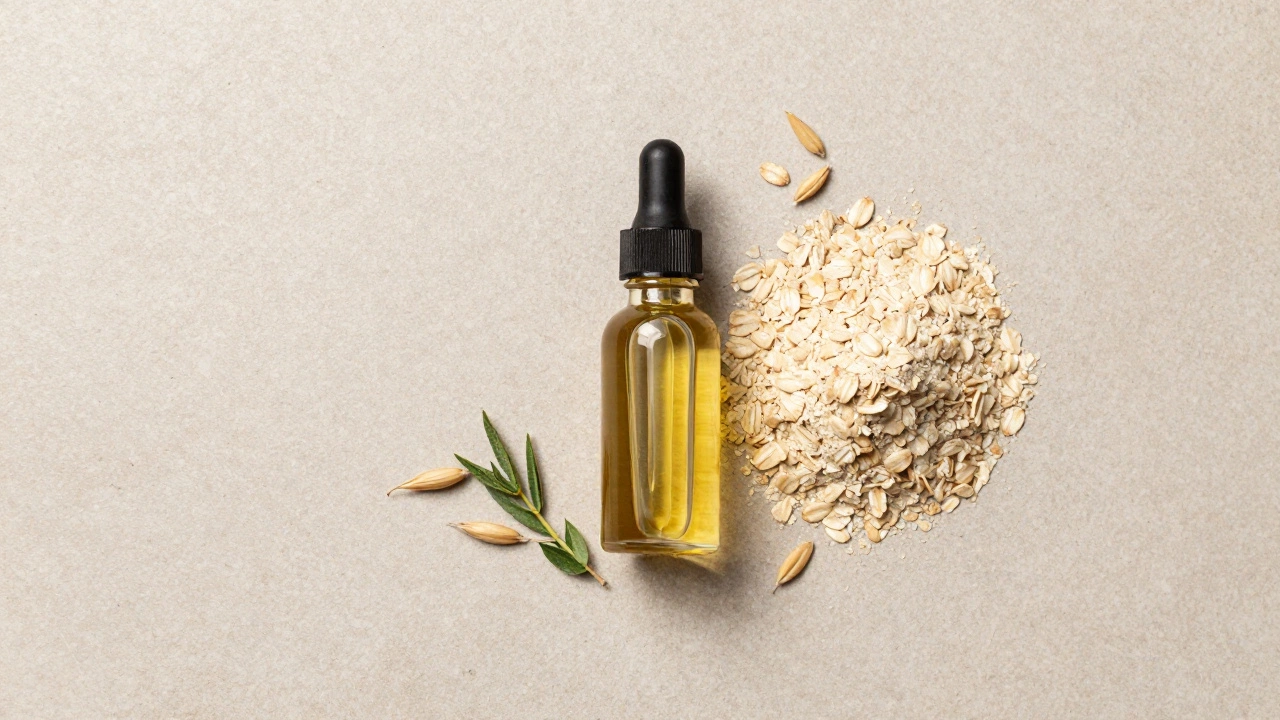
Not all oils are created equal, though. Using the wrong one can lead to clogged pores (comedones). For example, coconut oil is highly comedogenic and often causes breakouts on the cheeks and chin. Instead, look toward high-linoleic oils. Jojoba Oil is a top choice because its molecular structure almost exactly matches human sebum, tricking your skin into thinking it has enough oil and slowing down overproduction.
| Ingredient | Best For | Primary Action | Risk Level |
|---|---|---|---|
| Raw Honey | Acne-Prone/Combination | Antibacterial & Hydrating | Low (Check for allergies) |
| Jojoba Oil | Oily/Balanced | Dissolves Sebum & Makeup | Very Low |
| Colloidal Oatmeal | Sensitive/Eczema | Soothing & Anti-inflammatory | Very Low |
| Lukewarm Water | Ultra-Sensitive | Surface Rinse | Zero |
Soothing with Colloidal Oatmeal
For those whose skin feels like it's on fire after a day in the sun or a harsh wind, Colloidal Oatmeal is the most natural soothing agent. This isn't just a bowl of porridge; colloidal oatmeal is oats ground into a fine powder that can be dispersed in water. It creates a protective film on the skin that locks in moisture and calms redness.
If you're dealing with an itch or a rash, mixing a bit of this powder with water to create a paste is far more effective than using a store-bought "sensitive" wash that often contains hidden fragrances. It works by neutralizing the skin's surface and reducing the trans-epidermal water loss that happens when your skin barrier is damaged.
The Danger of "Natural" Marketing
One thing to watch out for is the difference between an ingredient being natural and a product being organic. Many "natural" soaps still use Sodium Lauryl Sulfate (SLS) or synthetic fragrances that can irritate the skin. If you're looking for the most natural route, the best strategy is to avoid the bottle entirely and use single-ingredient staples from your kitchen.
Ask yourself: does this product have a list of ingredients I can't pronounce? If so, it's likely not as natural as the packaging suggests. Real Organic Skincare focuses on biocompatibility-using ingredients the skin recognizes and can actually utilize for repair and protection.
Transitioning Your Routine
Switching to a natural cleansing method often comes with a "purge" or an adjustment period. If you move from a foaming cleanser to oil cleansing, your skin might feel oilier for a week. This is usually because your skin is overcompensating for years of being stripped of its natural oils. Be patient. Give your skin about 14 to 21 days to recalibrate its oil production.
Start slowly. You don't have to jump into a full water-only routine overnight. Try honey in the mornings and a gentle oil cleanse at night to remove the day's grime. This hybrid approach ensures you're keeping your skin clean while letting the acid mantle heal.
Will washing my face with just water cause breakouts?
Not necessarily. Breakouts are usually caused by bacteria, hormones, or clogged pores. For some, water is enough to keep the skin balanced. However, if you wear makeup or sunscreen, water alone won't remove these, which can lead to clogged pores. In those cases, using a natural oil or honey cleanser is a better bet.
Can I use regular olive oil to wash my face?
You can, but it's not always the best choice. Olive oil is heavier and has a higher comedogenic rating than jojoba or sunflower oil, meaning it's more likely to clog pores for people with oily or acne-prone skin. If you have very dry skin, it might work, but jojoba is generally safer for all skin types.
How often should I use a natural cleanser?
Twice a day is the standard, but many natural skincare enthusiasts find that cleansing only at night is better. Washing your face in the morning with just water prevents you from stripping the oils your skin produced overnight to protect and repair itself.
Does honey actually remove dirt?
Honey doesn't "strip" dirt like soap does, but it acts as a gentle surfactant. It binds to impurities and allows them to be rinsed away. Because it's an antimicrobial, it also helps clear out bacteria from the pores, making the skin look cleaner and clearer over time.
Is it safe to use raw honey on sensitive skin?
Generally, yes, but you should always do a patch test on your inner wrist first. Some people have allergies to pollen or bee proteins found in raw honey. If you don't see any redness or itching after 24 hours, it's usually safe for the face.