Dermatologist-Recommended Brand Finder
Not sure which brand is right for you? Select your primary concern and preference below to find your perfect match.
Top Recommendation
Key Ingredients:
You walk into a pharmacy or scroll through an endless feed of beauty influencers, and you see the same claim repeated everywhere: "Dermatologist Recommended." It’s on every bottle, every tube, and every serum. But if every brand is number one, none of them are. The truth is, there isn’t a single magic bullet that works for every skin type. However, when you strip away the marketing noise and look at clinical data, prescription volume, and board-certified dermatologist surveys from 2025 to 2026, one name consistently rises to the top.
That name is CeraVe. While it might not sound like the most luxurious option on the shelf, its dominance in the medical community is undeniable. But here is the twist: if you are looking specifically for organic skincare with similar clinical backing, the answer changes entirely. Let’s break down why CeraVe holds the crown, who the real contenders are, and how you can find a brand that actually works for your specific biology.
The Clinical Champion: Why CeraVe Leads
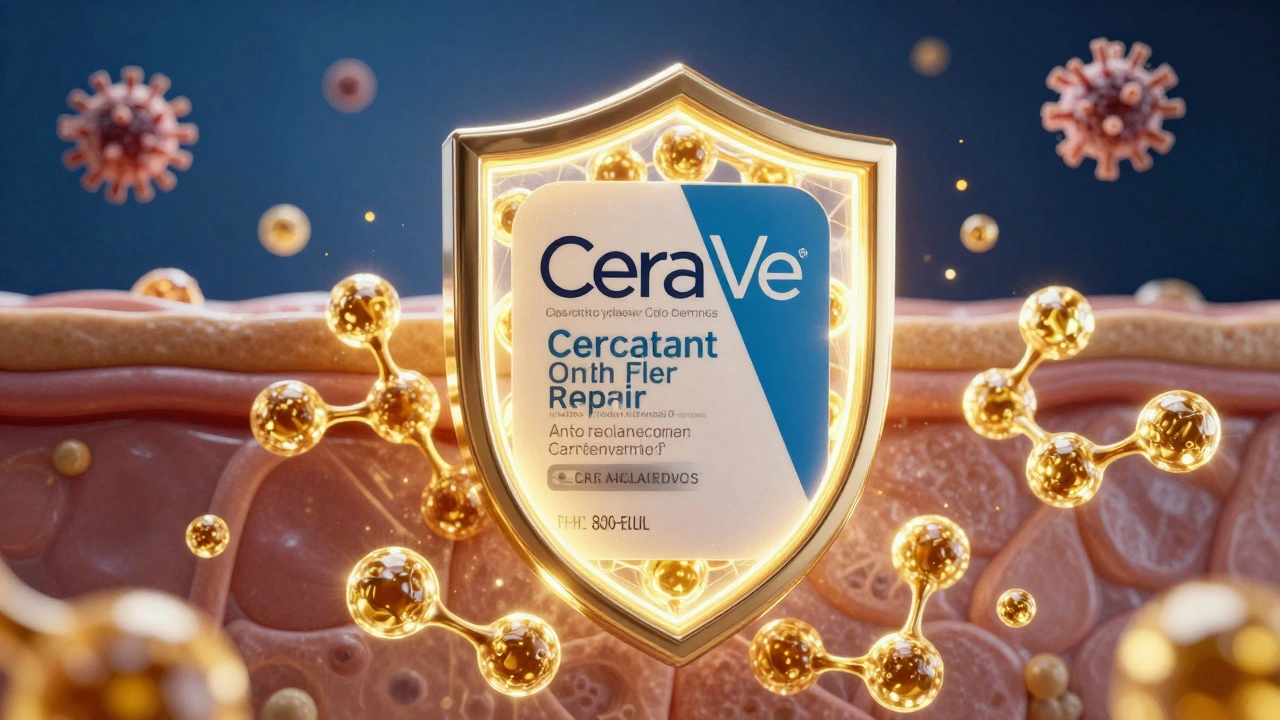
To understand why CeraVe is a skincare brand developed in collaboration with dermatologists that focuses on barrier repair using essential ceramides, you have to look at the science, not the scent. Most drugstore brands rely on heavy fragrances and trendy botanical extracts that often irritate sensitive skin. CeraVe does the opposite. Its entire formulation philosophy is built around the skin barrier.
The skin barrier is your body's first line of defense against pollution, bacteria, and moisture loss. When it’s compromised, you get dryness, acne, eczema, and premature aging. CeraVe uses three essential ceramides (1, 3, and 6-II) that make up 50% of the skin's natural lipids. By replenishing these, the brand helps restore the barrier function rather than just masking symptoms.
Furthermore, their proprietary MVE (Multivesicular Emulsion) technology allows ingredients to release slowly over 24 hours. This means you aren't just getting a quick hit of hydration; you’re getting sustained protection. For millions of patients dealing with conditions like atopic dermatitis or rosacea, this consistency is what makes CeraVe the go-to recommendation. It’s affordable, effective, and available almost everywhere.
The French Pharmacy Powerhouse: La Roche-Posay
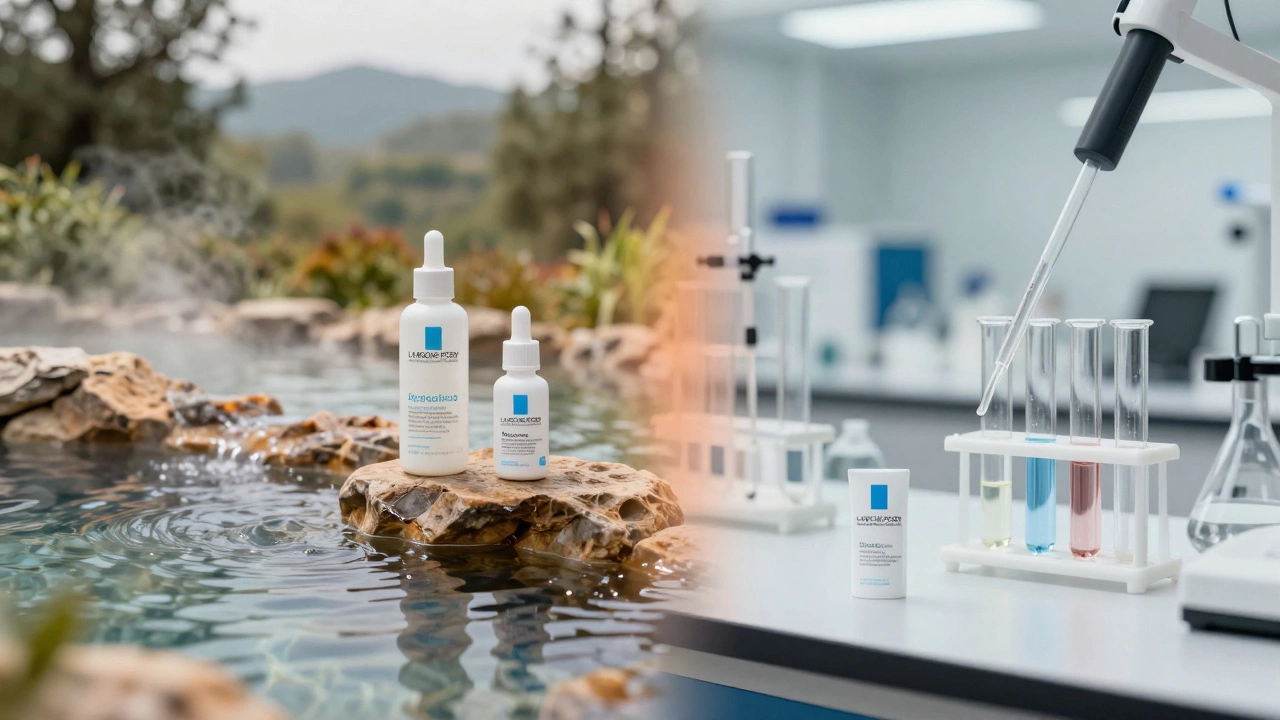
If CeraVe is the champion of barrier repair, La Roche-Posay is a French skincare brand known for its use of prebiotic thermal spring water and high-tolerance formulas for sensitive skin. In many European markets and among dermatologists specializing in sun damage and anti-aging, La Roche-Posay often ties with or beats CeraVe.
The key differentiator here is the source ingredient: La Roche-Posay Thermal Spring Water. This water comes from a specific aquifer in France and is rich in selenium, a powerful antioxidant. Selenium helps neutralize free radicals caused by UV exposure and pollution. If you live in a city with high smog levels or spend significant time outdoors, this brand offers a protective layer that standard moisturizers don’t.
La Roche-Posay also dominates the sunscreen category. Their Anthelios line is frequently cited in clinical studies as one of the most photostable and cosmetically elegant sunscreens available. Since sun damage accounts for up to 80% of visible facial aging, a brand that prioritizes superior UV protection naturally earns high marks from doctors.
The Organic Dilemma: What Do Doctors Actually Recommend?
Here is where things get tricky. You mentioned organic skincare in your search. There is a common misconception that "organic" equals "better" or "safer." In the world of dermatology, this is rarely true. Many organic ingredients, such as essential oils (lavender, citrus, peppermint), are highly volatile and can cause allergic reactions or contact dermatitis in sensitive individuals.
Most board-certified dermatologists do not recommend purely organic brands as their primary treatment line because organic certification bodies (like USDA Organic or COSMOS) restrict the use of certain preservatives. Without robust preservative systems, products can harbor bacteria. Instead, they recommend "clean-ish" brands that avoid toxic chemicals but still use proven synthetic actives.
However, if you are committed to organic principles while seeking clinical efficacy, Drunk Elephant is a biocompatible skincare brand that avoids what they call the 'Suspicious 6' including essential oils and drying alcohols is a frequent mention. While not strictly organic, it bridges the gap by focusing on bio-compatible ingredients that mimic the skin's natural chemistry. Another strong contender in the clean space is Vanicream is a hypoallergenic skincare brand designed for people with extremely sensitive skin, free from dyes, fragrance, and lanolin. Vanicream is often prescribed for patients who react to everything else, making it a top choice for those seeking minimalistic, safe formulations.
Comparison: Top Dermatologist-Backed Brands
| Brand | Key Ingredient | Best For | Price Point | Organic Status |
|---|---|---|---|---|
| CeraVe | Ceramides & Hyaluronic Acid | Dryness, Eczema, Barrier Repair | Affordable ($15-$25) | No |
| La Roche-Posay | Thermal Spring Water & Niacinamide | Sensitive Skin, Sun Protection, Anti-Aging | Moderate ($20-$40) | No |
| Vanicream | Petrolatum & Mineral Oil | Extreme Sensitivity, Allergies | Affordable ($10-$20) | No (but very clean) |
| Paula’s Choice | BHA (Salicylic Acid) | Acne, Blackheads, Texture | Moderate ($20-$35) | No |
| Tata Harper | Botanical Extracts | Natural/Organic Preference, Anti-Aging | Luxury ($60-$100+) | Yes (Certified Natural) |
How to Choose Your Own "Number One" Brand
Since no single brand fits every face, you need to diagnose your own needs. Ask yourself these three questions before buying:
- What is my primary concern? If it’s acne, look for salicylic acid or benzoyl peroxide (Paula’s Choice or CeraVe SA). If it’s aging, look for retinol and vitamin C (La Roche-Posay or Olay Regenerist).
- How sensitive is my skin? If redness appears easily, stick to fragrance-free options like Vanicream or CeraVe. Avoid complex botanical blends.
- Do I prioritize sustainability or efficacy? If organic ingredients are non-negotiable, brands like Tata Harper or Juice Beauty offer certified natural formulas, but be prepared to pay a premium and potentially sacrifice some potency compared to clinical brands.
Remember, consistency beats intensity. Using a simple, well-formulated cleanser and moisturizer from CeraVe every day will yield better results than using a fancy organic serum once a week.
The Role of Prescription vs. Over-the-Counter
It is important to note that "dermatologist recommended" does not always mean "over-the-counter." For serious conditions like cystic acne, hyperpigmentation, or severe rosacea, topical creams from a drugstore brand will not suffice. In these cases, dermatologists prescribe treatments containing Tretinoin is a potent retinoid medication used to treat acne and photoaging by accelerating cell turnover or hydroquinone.
However, even when using prescription strength actives, dermatologists still recommend pairing them with gentle, barrier-supporting cleansers and moisturizers from brands like CeraVe or La Roche-Posay. This combination approach-medical-grade actives with supportive, non-irritating base products-is the gold standard in modern skincare.
Red Flags to Avoid
When searching for the best brand, watch out for these marketing traps:
- "Miracle Cures": No cream can erase wrinkles overnight or cure genetic acne permanently.
- Fragrance as a Feature: If a brand boasts about its "luxurious scent," it likely contains allergens that can compromise your skin barrier.
- Overcomplicated Ingredients Lists: A product with 50 ingredients is harder to formulate safely than one with 10. Simpler is often safer.
In 2026, the trend is shifting towards "skinimalism"-using fewer, higher-quality products that deliver measurable results. CeraVe leads this charge by offering multi-purpose products that cleanse, hydrate, and protect simultaneously.
Is CeraVe really the number one dermatologist recommended brand?
Yes, in terms of overall usage and recommendations for general skin health, CeraVe is frequently cited as the top brand due to its affordability, accessibility, and focus on barrier repair with ceramides. However, for specific concerns like sun protection, La Roche-Posay is often preferred.
Are organic skincare brands recommended by dermatologists?
Generally, no. Most dermatologists prefer clinically proven ingredients over organic ones, as many organic components (like essential oils) can cause irritation. They may recommend "clean" brands that avoid harmful chemicals but still use effective synthetic actives.
What is the difference between CeraVe and La Roche-Posay?
CeraVe focuses heavily on restoring the skin barrier using ceramides and is ideal for dry or damaged skin. La Roche-Posay utilizes thermal spring water and excels in sun protection and anti-aging formulas, making it a great choice for sensitive or sun-exposed skin.
Can I use CeraVe if I have acne?
Yes, CeraVe has a specific line called SA (Salicylic Acid) which is formulated to treat acne, keratosis pilaris, and rough, bumpy skin. It is non-comedogenic and will not clog pores.
Why do dermatologists dislike fragrance in skincare?
Fragrance is one of the most common causes of contact dermatitis and allergic reactions. It serves no functional purpose for skin health and can disrupt the skin barrier, leading to increased sensitivity and inflammation.