What Not to Say to Dermatologist: Common Mistakes and How to Communicate Better
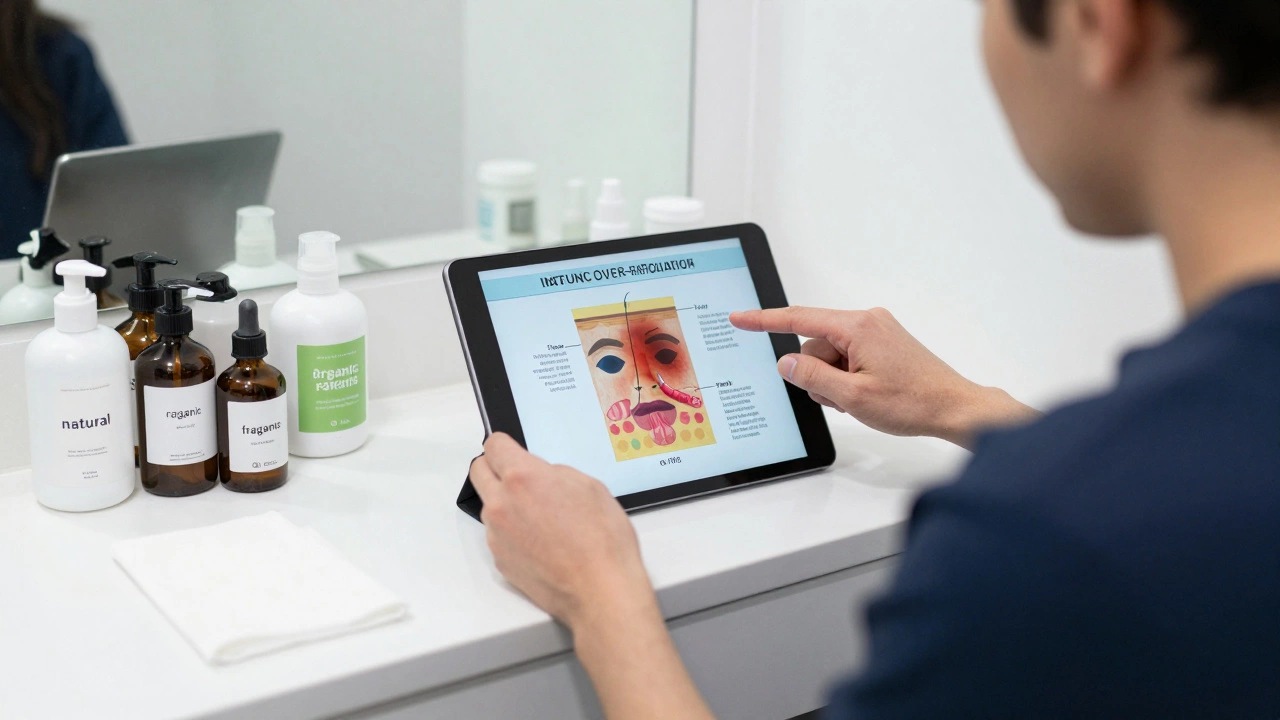
When you visit a dermatologist, a medical doctor trained to diagnose and treat skin, hair, and nail conditions. Also known as a skin specialist, they help with everything from acne and eczema to skin cancer and cosmetic concerns. But how you talk to them matters just as much as what’s going on with your skin. Saying the wrong thing can lead to misdiagnosis, wasted time, or even missed treatment opportunities.
One of the biggest mistakes people make is downplaying symptoms. Phrases like "It’s not that bad" or "I just want to look better" hide real issues. If you’ve had a mole changing shape for months, say so. If your face burns every time you use a new cream, tell them. Dermatologists aren’t mind readers. They need facts, not filters. Another common error is blaming everything on "stress" or "hormones" without details. Stress might trigger flare-ups, but it doesn’t explain why one spot bleeds or why your scalp flakes in winter. Be specific: when did it start? What makes it worse? What have you tried?
Don’t assume your dermatologist knows what you’ve used. Saying "I’ve tried everything" is meaningless. Did you use a 10% niacinamide serum for six weeks? Or just a drugstore cream for three days? Name the products, how often you used them, and what happened. Also avoid comparing yourself to influencers or celebrities. "My TikTok friend cleared her acne in a week" isn’t helpful—it’s misleading. Real skin care takes time, and what works for someone else might irritate your skin. And never say "I don’t care about side effects, just fix it." Some treatments carry risks. Your dermatologist needs to know your priorities: do you want fast results, or are you okay with slow, safe progress?
There’s also the myth that dermatologists only care about medical issues. That’s not true. If you’re avoiding mirrors because of scars, or skipping social events due to redness, say that. Skin isn’t just about health—it’s tied to confidence, mental well-being, and daily life. A good dermatologist listens to all of it. They’re not there to judge your skincare routine or laugh at your habits. They’re there to help you feel better, inside and out.
What you say—and what you leave unsaid—shapes your care. The best visits happen when you’re honest, specific, and open. No jargon needed. No embarrassment. Just clear facts and real concerns. Below, you’ll find real stories and advice from people who’ve been there: what they said, what went wrong, and how they fixed it. These aren’t theoretical tips. They’re lessons learned the hard way. Use them to turn your next appointment from a rushed check-in into a powerful conversation that actually moves the needle on your skin.
What Not to Say to a Dermatologist: Common Mistakes That Hurt Your Skin Care Results
Avoid common mistakes when talking to a dermatologist. Learn what not to say-and what to say instead-to get better skin care results and real solutions for your skin.
Read More