Telehealth Business Model: How Virtual Care Is Changing Healthcare in the UK
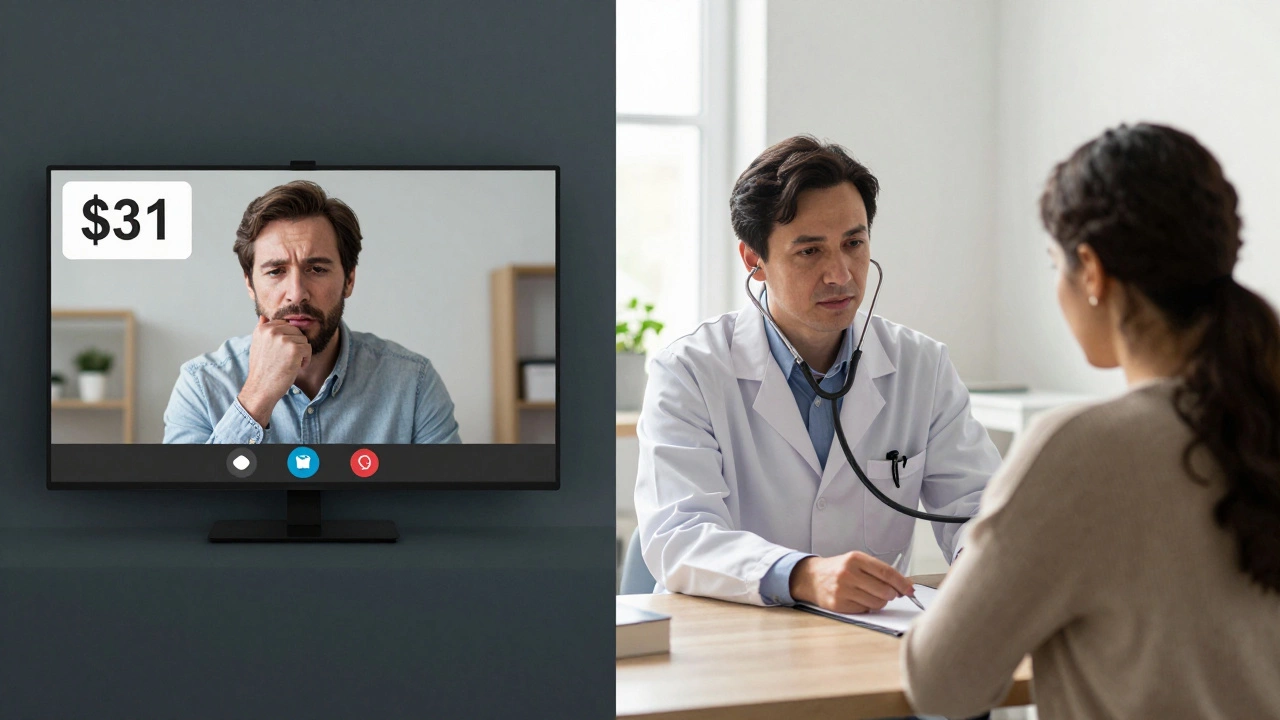
When you think of telehealth business model, a system that delivers medical and aesthetic services remotely using digital platforms. Also known as virtual healthcare, it’s no longer just for rural patients or emergency follow-ups—it’s becoming the default way people in the UK connect with dermatologists, cosmetic clinics, and wellness experts. You don’t need to drive across town for a skin check or a post-surgery review anymore. A quick video call, a few photos, and you’re getting expert advice from your sofa.
The virtual healthcare, the delivery of medical services via video, apps, or messaging platforms without in-person visits. Also known as remote patient care, it’s not just convenient—it’s cost-effective for clinics and patients alike. Think of it like ordering groceries online: you get what you need, when you need it, without the hassle. Many UK clinics now use this model for initial consultations, treatment planning, and even follow-ups after procedures like a ponytail facelift or non-surgical skin treatments. It cuts down wait times, reduces no-shows, and lets providers serve more people without expanding physical space. And it’s not just for cosmetic stuff. The same system works for chronic pain management, post-op recovery, and even skincare advice. You can get guidance on anti-aging products, check if your damaged hair is healing, or ask whether a medical loan makes sense for your next procedure—all without leaving home.
What makes this model stick? It’s simple: people want faster, easier access. A 2024 survey in the UK showed over 60% of patients preferred virtual follow-ups after minor procedures. Clinics save on overhead, patients save on travel and time, and the system scales. You don’t need to be a tech expert to use it—just a smartphone and a quiet room. And because so many of the services here are non-invasive—like chemical peels, injectables, or hair recovery plans—it’s a perfect fit. You’re not waiting for a wound to heal; you’re tracking progress over weeks, which video calls handle beautifully.
There’s also a financial side. The digital health services, technology-driven tools and platforms that enable remote monitoring, consultations, and treatment delivery let clinics offer flexible payment plans. Want to pay for your top surgery or dental implant in installments? Many telehealth providers now bundle financing options directly into their platforms. No need to juggle separate loan applications. It’s all one click.
What you’ll find in the posts below isn’t just a list of articles—it’s a map of how this shift is playing out in real life. From how to talk to a dermatologist online, to why IPSY charges you twice a month (yes, that’s part of the digital ecosystem too), to how people are using apps to track their skin progress after treatments. These aren’t random stories. They’re pieces of the same puzzle: how technology is making beauty and health care more personal, more practical, and more accessible than ever before.
Why Is Teladoc Losing So Much Money?
Teladoc is losing money despite growing user numbers because it charges too little per visit, relies on unprofitable contracts, and failed to integrate acquired companies. Its model is built for quick fixes, not long-term care.
Read More