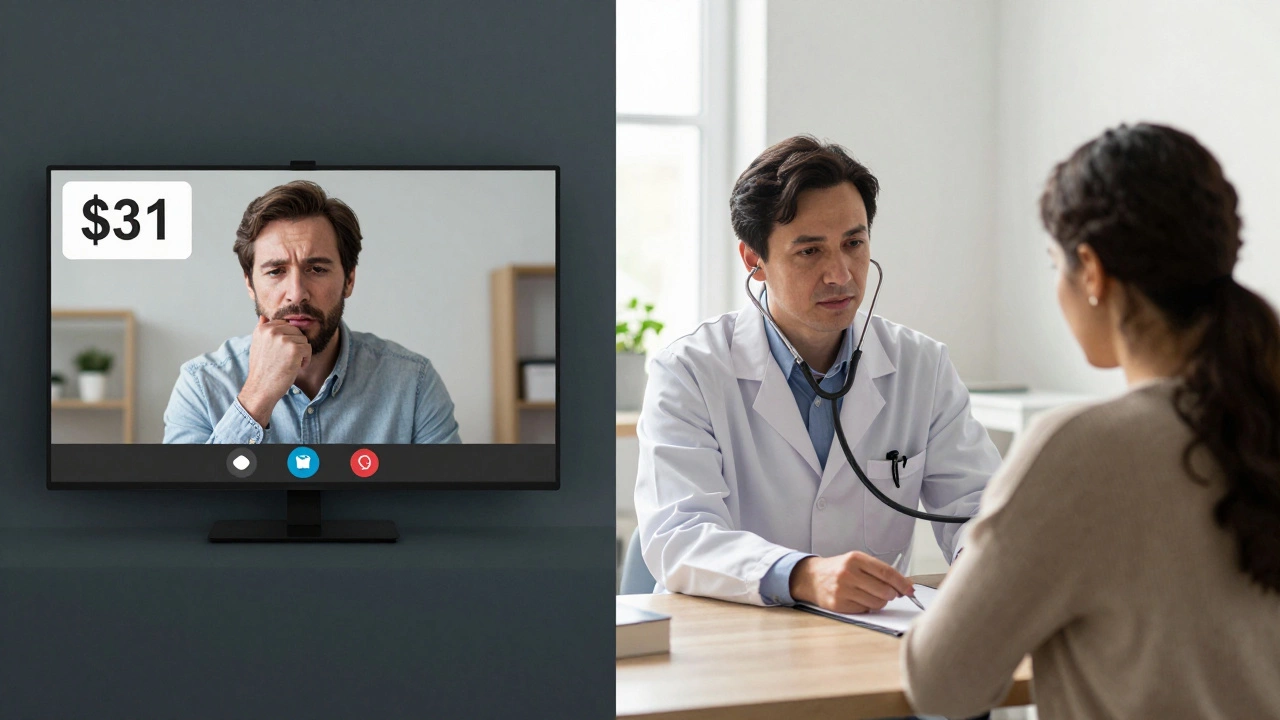
Teladoc losses: What they mean for telehealth and your cosmetic care
When you hear about Teladoc losses, a major telehealth company reporting financial setbacks after years of rapid growth. Also known as telehealth market corrections, these losses aren’t just Wall Street news—they affect how you access skin consultations, post-op check-ins, and even virtual cosmetic advice in the UK. Teladoc’s financial struggles reflect a broader pattern: investors poured money into virtual care during the pandemic, expecting it to replace in-person visits. But for cosmetic and aesthetic services, that’s not how it works. You can’t diagnose skin cancer, assess filler results, or evaluate surgical scars over a Zoom call. The gap between what telehealth can do and what people thought it could do is now costing companies like Teladoc billions.
These losses tie directly to another entity: telehealth trends, the shifting demand and business models behind remote medical services. In the UK, NHS patients still rely on face-to-face dermatology for serious conditions. Private clinics? They use telehealth for follow-ups, not initial consultations. That’s why Teladoc’s model—offering cheap, mass-market virtual visits for everything from acne to Botox—collided with reality. People want convenience, yes, but they also want trust. And trust in cosmetic care comes from seeing a clinician in person, checking skin texture, feeling tissue resistance, and understanding your unique anatomy. No algorithm replaces that.
Then there’s digital health financing, how companies raise and spend money to build online health platforms. Teladoc raised over $3 billion in public markets during 2020–2021. Now, they’re cutting staff, scaling back services, and losing customers. What does that mean for you? It means fewer companies will offer low-cost virtual cosmetic advice. It means clinics that relied on Teladoc’s platform to reach patients might now have to shift back to in-office models. And it means you should be cautious about any service promising instant, cheap, remote aesthetic solutions—especially if they’re backed by a company that just lost half its value.
The truth is, cosmetic care isn’t a subscription. You can’t stream a facelift. You can’t download a skin treatment. Even the most advanced telemedicine tools are just assistants—they help schedule, remind, or follow up. They don’t replace the hands-on judgment of a trained clinician. Teladoc’s losses aren’t about technology failing. They’re about overpromising. And that’s a lesson for every patient: if a service sounds too simple, too cheap, or too quick for something as personal as your skin or face, it probably is.
Below, you’ll find real posts that cut through the hype. From how to pay for surgery without going broke, to which brands truly avoid animal testing, to whether washing your hair at night actually helps your scalp—these aren’t fluff pieces. They’re grounded, practical, and written for people who want to make smart choices in a noisy industry. You’re not just reading about trends. You’re learning what works, what doesn’t, and who you can really trust.
Why Is Teladoc Losing So Much Money?
Teladoc is losing money despite growing user numbers because it charges too little per visit, relies on unprofitable contracts, and failed to integrate acquired companies. Its model is built for quick fixes, not long-term care.
Read More