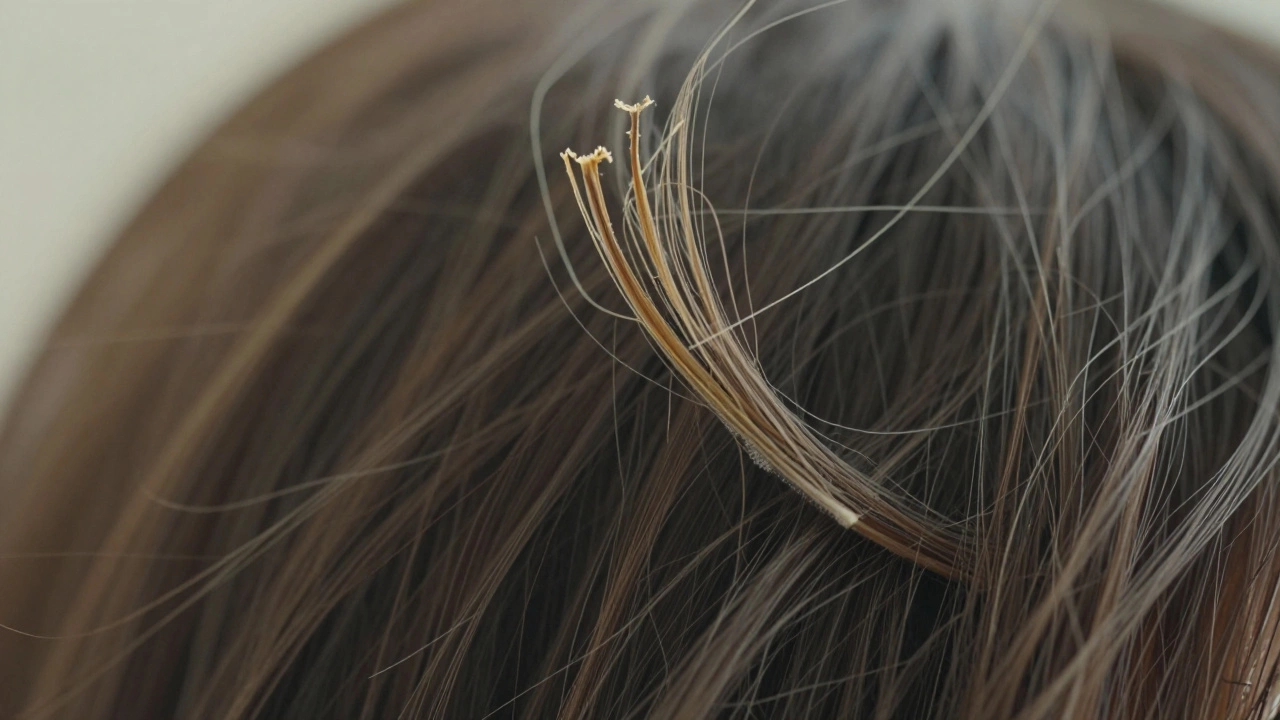
Restore Damaged Hair: Proven Ways to Repair and Revive Your Hair
When you restore damaged hair, you’re reversing the physical and structural breakdown caused by heat, chemicals, and environmental stress. Also known as hair repair, it’s not about masking the problem with silicones—it’s about rebuilding strength from the inside out. Damaged hair isn’t just dry or frizzy; it’s porous, weak, and prone to snapping. If your hair feels like straw after washing, breaks when you brush it, or looks dull even after conditioning, you’re dealing with real structural damage—not just surface dryness.
Hair damage, often caused by bleach, straighteners, and over-washing, is a cumulative issue. Every time you heat-style, chemically treat, or scrub your hair with harsh shampoos, you strip away the protective cuticle layer. This exposes the cortex, where moisture and proteins like keratin live. Once that’s gone, your hair loses elasticity and becomes brittle. The good news? You can rebuild it. Hair care routine, when done right, focuses on moisture retention, protein balance, and minimizing further trauma. That means skipping daily washing, using sulfate-free cleansers, and protecting strands from heat before styling. It also means understanding your hair type—whether it’s 3B curls or fine straight strands—because what works for one won’t work for another.
Some people think expensive serums or salon treatments are the only way to fix broken hair. But the truth? Most of the time, it’s about consistency and cutting out the habits that make things worse. If you’re blow-drying on high heat every day, no serum will save your ends. If you’re coloring your hair every four weeks without a deep conditioning treatment, damage will keep piling up. Real repair starts with stopping the harm. Then, you add back what’s missing: moisture from oils like argan or coconut, proteins from hydrolyzed wheat or silk, and gentle handling—think wide-tooth combs and silk pillowcases.
And it’s not just about what you put on your hair. Your lifestyle matters too. Dehydration, poor nutrition, and high stress all show up in your strands. If you’re not eating enough protein or iron, your hair can’t repair itself properly. No shampoo can fix that. That’s why the best hair repair plans include hydration, sleep, and real food—not just topical fixes.
Below, you’ll find real advice from people who’ve been there—how to tell if your hair is truly damaged, what ingredients actually help, and which common hair myths are costing you time and money. You’ll see what works for curly hair, fine hair, color-treated hair, and hair that’s been through too much heat. No fluff. No hype. Just clear, practical steps to get your hair back to healthy.
How to Bring Damaged Hair Back to Life: Simple Steps That Actually Work
Damaged hair can recover with the right routine - stop heat damage, deep condition weekly, trim regularly, and balance protein with moisture. Real results take 3-6 months, but the change is worth it.
Read More