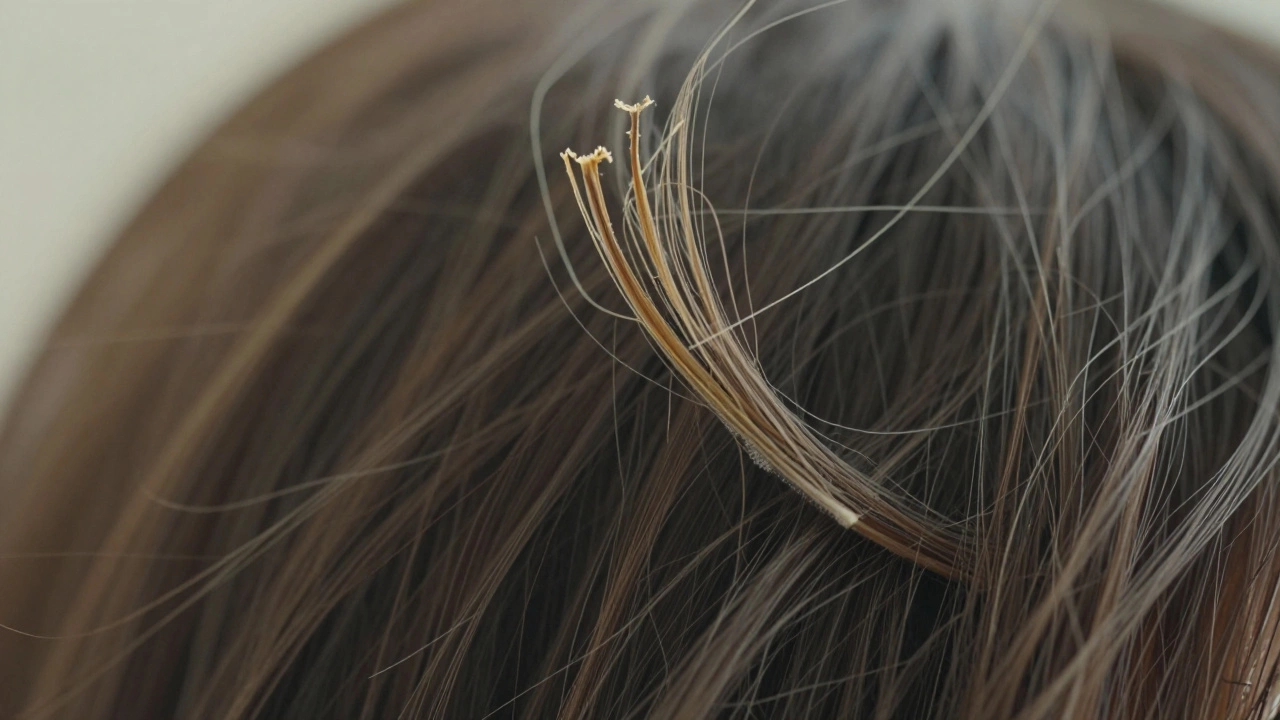
Ever run your fingers through your hair and feel like it’s snapping apart? You’re not alone. Millions of people deal with hair that’s dry, brittle, frizzy, or full of split ends - and most of it comes from everyday habits, not bad genetics. Heat styling, chemical treatments, hard water, and even just washing your hair too often can strip it of its natural oils until it looks and feels like straw. But here’s the truth: damaged hair can recover. Not overnight, not magically, but with the right routine, your hair can regain strength, shine, and bounce.
Understand What’s Really Damaging Your Hair
Before you buy the next expensive bottle of serum, you need to know what’s causing the damage. Most people blame their shampoo, but the real culprits are usually invisible.
- Heat tools - Flat irons, curling wands, and blow dryers set above 180°C break down the hair’s protein structure. Daily use? That’s like burning paper with a lighter.
- Chemical processing - Bleaching, coloring, perming, and relaxing break the hair’s cuticle layer and strip melanin. Even semi-permanent dyes add up over time.
- Washing too often - Shampooing every day removes natural oils faster than your scalp can replace them. Dry scalp? That’s not a lack of moisture - it’s a lack of protection.
- Hard water - In places like Auckland, where water has high mineral content, calcium and magnesium build up on hair, making it dull and stiff. You won’t see it in the mirror, but it’s there.
- Brushing wet hair - Wet hair is at its weakest. Pulling a brush through it snaps strands like wet spaghetti.
Damage isn’t just about appearance. It’s structural. When the cuticle lifts and the cortex cracks, your hair loses elasticity. That’s why it tangles easily, breaks when you tie it up, or feels rough even after conditioning.
Stop the Damage First - Before You Try to Fix It
You can’t repair what you keep breaking. The first step to bringing damaged hair back to life is to pause the destruction.
- Give heat tools a 30-day break. If you must use them, always apply a heat protectant with at least 230°C protection. Look for ingredients like dimethicone or hydrolyzed wheat protein.
- Switch to sulfate-free shampoos. Sulfates (like SLS) strip oil aggressively. Try shampoos with gentle cleansers like cocamidopropyl betaine or decyl glucoside.
- Wash less often. Try every other day, or even every three days. Use a dry shampoo made with arrowroot powder or cornstarch between washes.
- Use a wide-tooth comb on wet hair. Start from the ends and work upward. Never yank through tangles.
- Sleep on silk or satin. Cotton pillowcases tug at hair and cause friction. A silk pillowcase reduces breakage by up to 50%.
These aren’t suggestions. They’re non-negotiables. If you keep blow-drying daily and washing every morning, no mask or oil will fix what you’re actively destroying.
Deep Conditioning Is Your New Best Friend
Regular conditioner won’t cut it. Damaged hair needs a deep treatment - at least once a week.
Look for masks with:
- Hydrolyzed proteins (like keratin or silk) - they slip into cracks in the hair shaft and rebuild structure.
- Butters (shea, mango, cocoa) - they seal in moisture and add flexibility.
- Plant oils (argan, jojoba, coconut) - they penetrate the cortex better than silicones.
Here’s how to use it right:
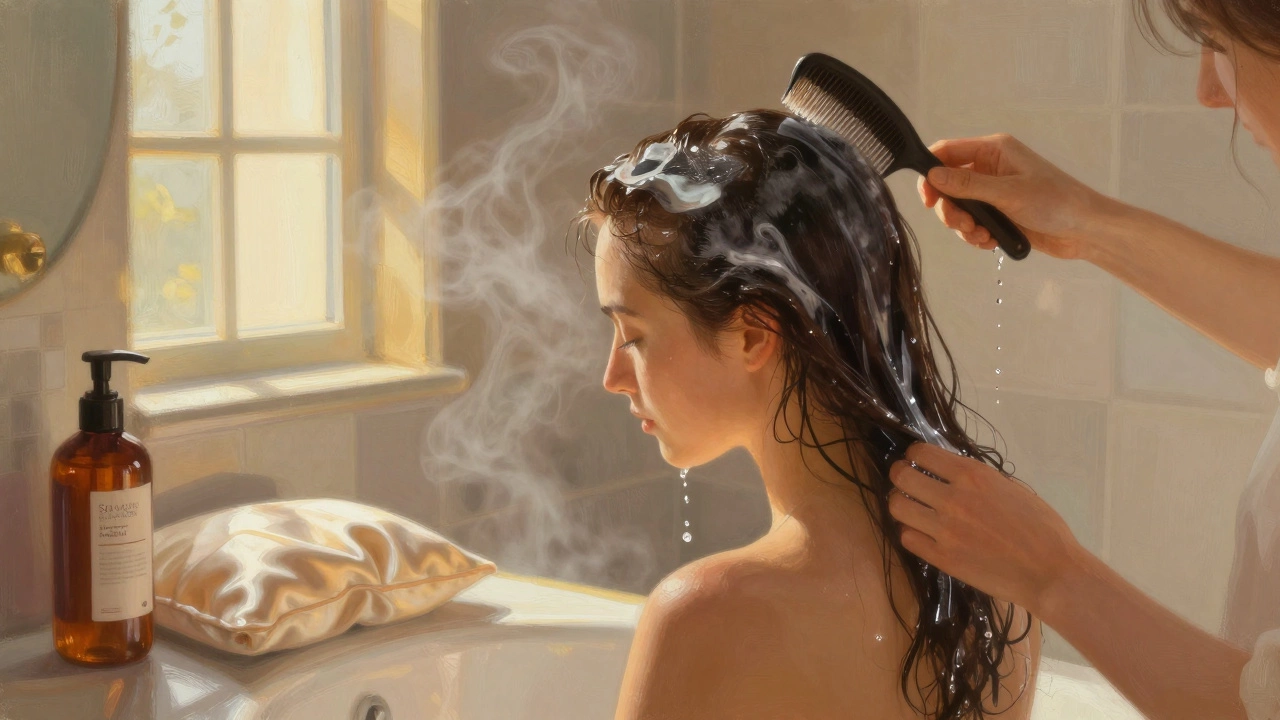
- Wash hair with a gentle shampoo.
- Towel-dry until damp - not dripping.
- Apply mask from mid-lengths to ends. Avoid the scalp unless it’s dry and flaky.
- Cover with a shower cap and leave for 20-30 minutes.
- Rinse with cool water. Heat opens the cuticle; cool water seals it.
For extra power, warm the mask in your hands before applying. Heat helps ingredients sink in deeper. Some people even use a hair steamer - but a warm towel wrapped around your head works just as well.
Protein vs. Moisture - The Balance You Need
This is where most people get stuck. You hear ‘protein’ and ‘moisture’ like they’re opposites. They’re not. They’re partners.
When hair is damaged, it loses both. Too much protein without moisture? Hair gets stiff and snaps. Too much moisture without protein? Hair turns mushy and stretches too much when wet.
Here’s how to tell what your hair needs:
- High porosity hair - Absorbs water fast, dries fast, tangles easily. Needs protein to fill gaps.
- Low porosity hair - Repels water, takes forever to dry, feels greasy. Needs lightweight moisture, less protein.
- Medium porosity - Balanced. Can handle both.
Do the strand test: Take a strand of hair and gently pull it. If it snaps quickly, you need more moisture. If it stretches too far and doesn’t bounce back, you need protein. If it stretches slightly and snaps, you’re balanced.
Rotate your treatments. One week: protein mask. Next week: hydrating mask. Don’t do both every time. Your hair isn’t a washing machine - it needs rhythm.
Leave-In Products That Actually Help
Not all leave-ins are created equal. Some are just fancy oils with a spray nozzle.
Look for leave-ins with:
- Hydrolyzed proteins - for strength
- Humectants - like glycerin or panthenol - to pull moisture from the air
- Lightweight oils - like grapeseed or squalane - to seal without greasiness
Apply to damp hair after washing. Use a pea-sized amount for short hair, a quarter-sized amount for long hair. Don’t drench it. Too much = buildup = limp hair.
Some people swear by overnight treatments. A thin layer of coconut oil or a silicone-free leave-in left on overnight can help. But if your hair gets greasy or itchy, stop. Not everyone benefits.
Trimming Isn’t Optional - It’s Essential
You can’t repair split ends. They’re dead. No product can glue them back together. The only fix is to cut them off.
Every 8-12 weeks, get a trim - even if it’s just a quarter inch. That’s enough to remove the worst of the damage and prevent splits from traveling up the shaft.
Don’t wait until your hair looks like a frayed rope. If you notice more flyaways, more breakage when brushing, or ends that feel rough, it’s time. A good stylist will take off just enough to restore shape without losing length.
What Not to Do
There are a lot of myths out there. Don’t fall for them.
- Don’t use egg or avocado masks regularly. They’re sticky, hard to rinse, and can attract bacteria. They don’t penetrate like professional ingredients.
- Don’t rinse with apple cider vinegar unless you have hard water. It can be too acidic and worsen damage if your hair is already fragile.
- Don’t tie hair in tight ponytails. Elastic bands cause breakage at the crown. Use soft scrunchies or silk hair ties.
- Don’t believe in ‘miracle’ serums that promise instant repair. Hair isn’t skin. It’s dead tissue. It can’t regenerate. Recovery takes time.
Real Results - How Long Does It Take?
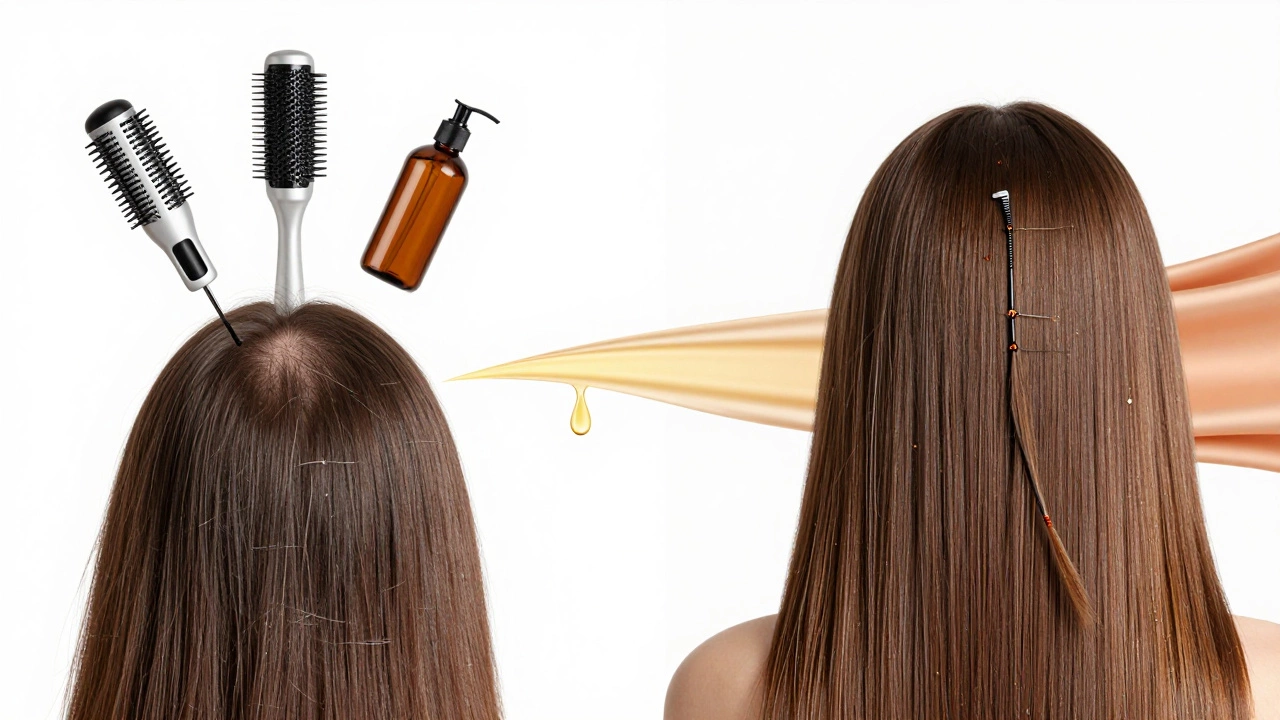
Most people see a difference in 4-6 weeks. Hair feels softer, tangles less, and looks shinier. But full recovery? That takes 3-6 months.
Why? Hair grows about 1cm per month. The damaged part doesn’t disappear - it grows out. So you’re not fixing the ends. You’re growing out new, healthy hair and cutting away the old.
Take a photo every month. It’s the only way to see progress. Hair changes slowly. You won’t notice day to day. But after three months? You’ll look back and be shocked.
What to Buy - Simple, Effective Picks
You don’t need to spend hundreds. Here are the essentials:
- Shampoo: Olaplex No. 4 or SheaMoisture Manuka Honey & Mafura Oil Shampoo
- Mask: Briogeo Don’t Despair, Repair! or Olaplex No. 8
- Leave-in: It’s a 10 Miracle Leave-In Product or Kérastase Nutritive 8H Magic Night Serum
- Oil: Pure argan oil (100%, no additives)
- Tool: Wet brush or Denman brush for detangling
These aren’t endorsements. They’re products used by stylists in Auckland salons for real, damaged hair. You can find them at local pharmacies or online.
Final Thought: Patience Is the Secret Ingredient
There’s no quick fix. No spray. No serum. No TikTok hack that will turn straw into silk in a week.
Bringing damaged hair back to life is about consistency - washing less, protecting from heat, deep conditioning weekly, trimming regularly, and giving it time.
Your hair isn’t broken. It’s just tired. And like any tired thing, it needs rest, care, and patience. Do the work. Wait. And in a few months, you’ll look in the mirror and realize - you didn’t need a new hairstyle. You just needed to stop hurting it.
Can damaged hair be repaired, or do I need to cut it all off?
Damaged hair can’t be fully repaired because hair is made of dead cells. But you can strengthen it, reduce breakage, and grow out healthy new hair. You don’t need to cut it all off - just trim the worst split ends every 8-12 weeks. Focus on protecting the remaining hair and letting new growth replace the damage.
How often should I deep condition damaged hair?
Once a week is ideal for moderately damaged hair. If your hair is severely damaged (bleached, heat-treated daily), do it twice a week for the first month, then scale back to once. Always follow with a rinse of cool water to seal the cuticle.
Is coconut oil good for damaged hair?
Yes, but only if used correctly. Coconut oil penetrates the hair shaft better than most oils, helping reduce protein loss. Apply it as a pre-wash treatment - leave on for 30 minutes before shampooing. Don’t use it as a daily leave-in unless your hair is very dry and thick - it can weigh down fine hair.
Why does my hair still feel dry even after using conditioner?
Conditioner only coats the surface. If your hair is porous or lacks protein, moisture escapes quickly. Switch to a deep conditioning mask with hydrolyzed proteins, and use a leave-in with humectants like panthenol. Also, check your water - hard water can leave mineral buildup that blocks conditioners from working.
Can I use heat tools again after my hair recovers?
Yes - but only sparingly. Once your hair is healthier, you can use heat tools once a week or less. Always use a heat protectant rated for 230°C or higher. Keep the temperature as low as possible. And never use heat on soaking wet hair - it causes steam explosions inside the strand, leading to more breakage.