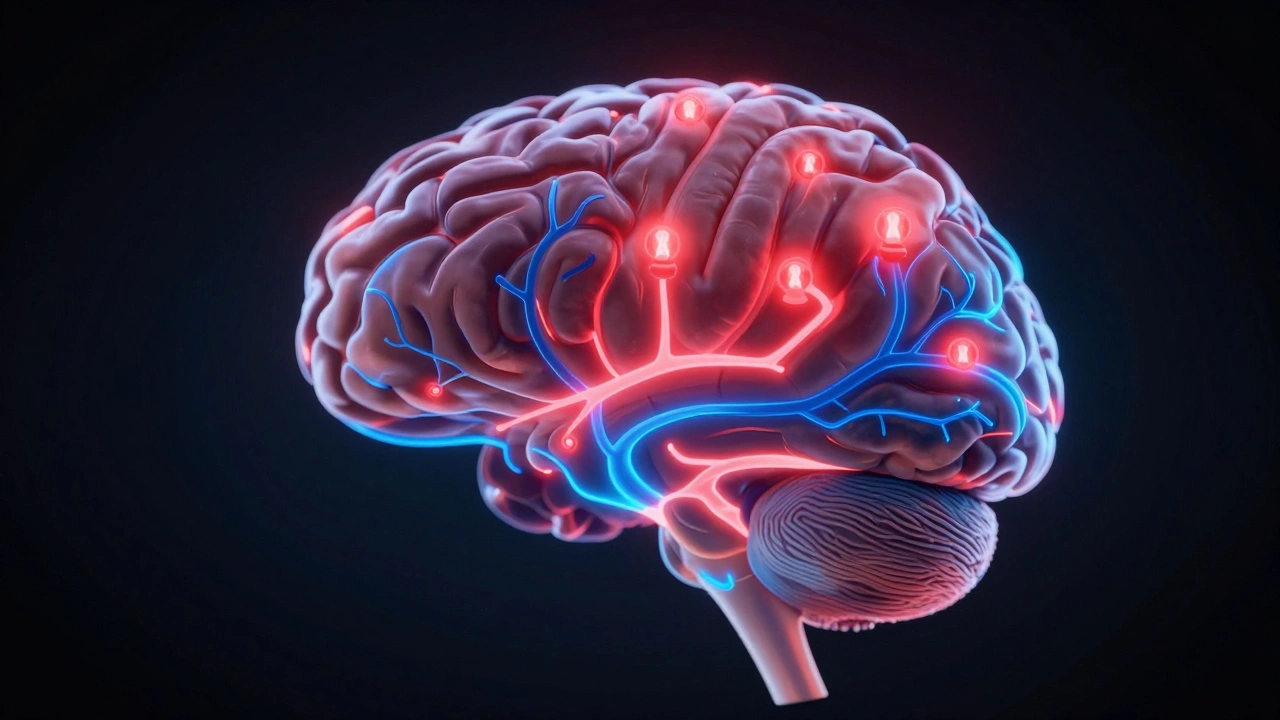
Pain Relief Mind: How Mental Strategies Help Ease Physical Discomfort
When you think of pain relief mind, the use of mental techniques to reduce physical discomfort without medication. Also known as non-drug pain management, it’s not about ignoring pain—it’s about changing how your brain processes it. This isn’t magic. It’s science. Studies show people who use focused breathing, visualization, or mindfulness can lower their pain scores by 30% or more, even without pills. Your nervous system doesn’t care if the pain comes from a pulled muscle, a headache, or a past injury—it responds to signals. And those signals can be softened by how you think.
Think of your mind-body connection, the link between your thoughts, emotions, and physical sensations. When you’re stressed, your muscles tighten. When you’re anxious, your pain feels sharper. That’s not in your head—it’s in your nerves. People who learn to calm their nervous system through meditation or guided imagery often report less intensity in their pain. It’s the same reason a distracting movie can make a toothache feel smaller. Your brain has limited bandwidth. If you fill it with calm, there’s less room for pain to scream.
Then there’s cognitive behavioral therapy, a structured way to change how you think about pain and respond to it. It’s not just talking. It’s training. You learn to spot thoughts like "This pain will never end" and replace them with "This feels bad, but it’s temporary." That shift doesn’t erase the sensation, but it takes the fear out of it. And fear? That’s what makes pain feel worse. You don’t need to be a therapist to do this. Simple habits—like journaling your pain triggers, pacing your activities, or using a 5-4-3-2-1 grounding technique—can rewire how you experience discomfort over time.
What you’ll find in the posts below isn’t a list of quick fixes. It’s real stories from people who stopped relying only on pills and started using their minds as a tool. You’ll see how someone with chronic back pain used breathing to sleep through the night. How another person reduced migraine frequency by tracking emotional patterns. How simple daily rituals—like noticing warmth in your hands or counting breaths—became more effective than waiting for a prescription. These aren’t theoretical ideas. They’re practices people tried, stuck with, and actually felt better from. No hype. No pills. Just the quiet power of training your brain to stop fighting pain and start managing it.
What Is Brain Reprogramming for Chronic Pain?
Brain reprogramming for chronic pain uses neuroscience to retrain how your brain processes pain signals. It’s not about ignoring pain-it’s about teaching your brain it’s no longer a threat. Proven techniques include mindfulness, movement retraining, and cognitive reframing.
Read More