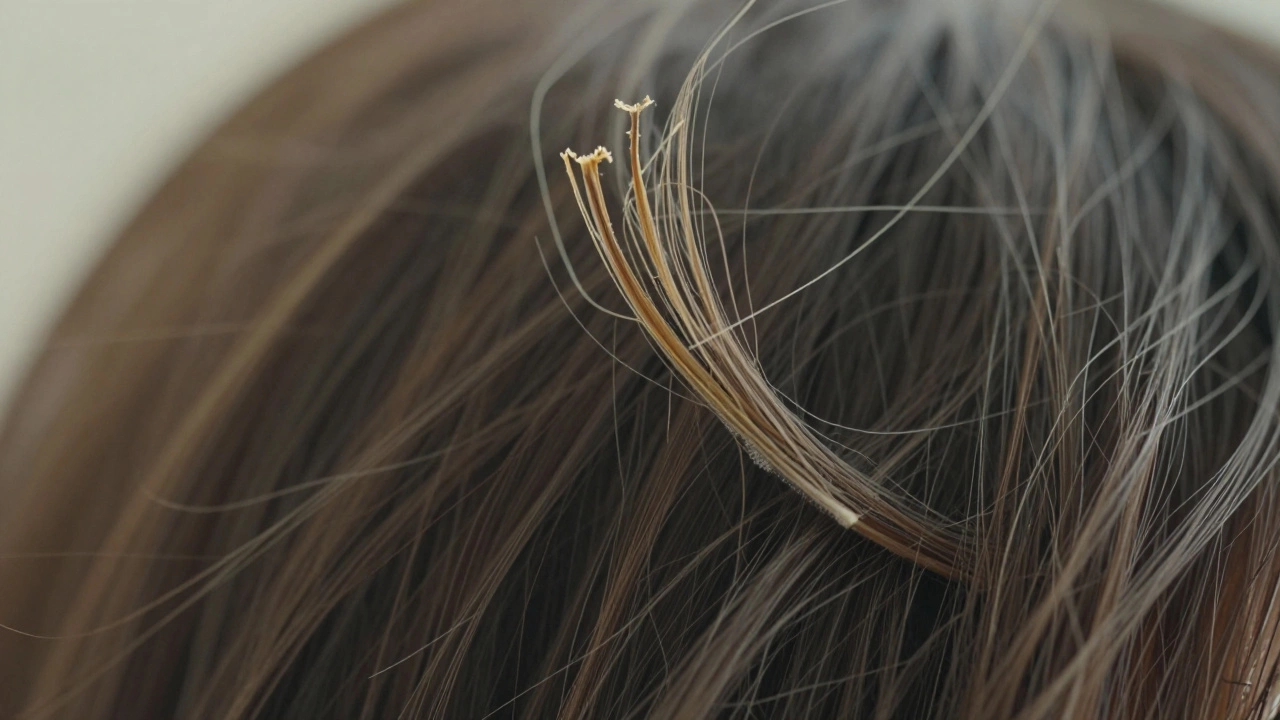
Heat Damage Repair: Fix Dry, Brittle Hair with Proven Methods
When your hair feels like straw after blow-drying or flat-ironing, you’re dealing with heat damage repair, the process of restoring hair weakened by excessive heat styling tools like flat irons, curling wands, and blow dryers. Also known as thermal injury, it breaks down the hair’s natural protein structure, leaving strands porous, frizzy, and prone to snapping. This isn’t just a cosmetic issue—it’s structural damage that won’t fade with time unless you actively fix it.
Heat damage repair doesn’t mean buying the most expensive serum. It’s about understanding what heat does to your hair, then reversing the effects with targeted care. Protein treatments, products that rebuild lost keratin and strengthen the hair cortex are essential. They’re not a one-time fix—you need them every 4–6 weeks if you style with heat regularly. Leave-in conditioners with ceramides, lipids that seal moisture into the hair shaft help lock in hydration and prevent further breakage. And if you’re still using high heat without a protector, you’re making things worse. Heat protectants aren’t optional—they’re the first line of defense.
Most people think heat damage repair means deep conditioning once a week. But the real fix is changing habits. Washing your hair at night reduces the need for morning blow-drying, which cuts exposure to heat. Type 3 hair, naturally curly hair that’s especially vulnerable to heat needs even more protection—curly textures lose moisture faster and repair slower. If you’re using a flat iron on dry, unconditioned hair, you’re not styling—you’re burning it. The same goes for overusing hot tools on color-treated hair, which is already weakened. Real heat damage repair means giving your hair space to recover. That might mean air-drying more, using lower heat settings, or switching to air-dry styles altogether.
What you’ll find in the posts below isn’t just product lists. It’s real advice from people who’ve been there—how to tell if your hair is beyond repair, why some "repair" shampoos do more harm than good, and how to build a routine that actually brings your hair back from the edge. You’ll also see how hair care connects to bigger habits: why washing your hair at night helps prevent damage, what to look for in a salon if you’re getting heat treatments, and how some brands claim to be gentle but still cause long-term harm. This isn’t about quick fixes. It’s about fixing your hair the right way—once and for all.
How to Bring Damaged Hair Back to Life: Simple Steps That Actually Work
Damaged hair can recover with the right routine - stop heat damage, deep condition weekly, trim regularly, and balance protein with moisture. Real results take 3-6 months, but the change is worth it.
Read More