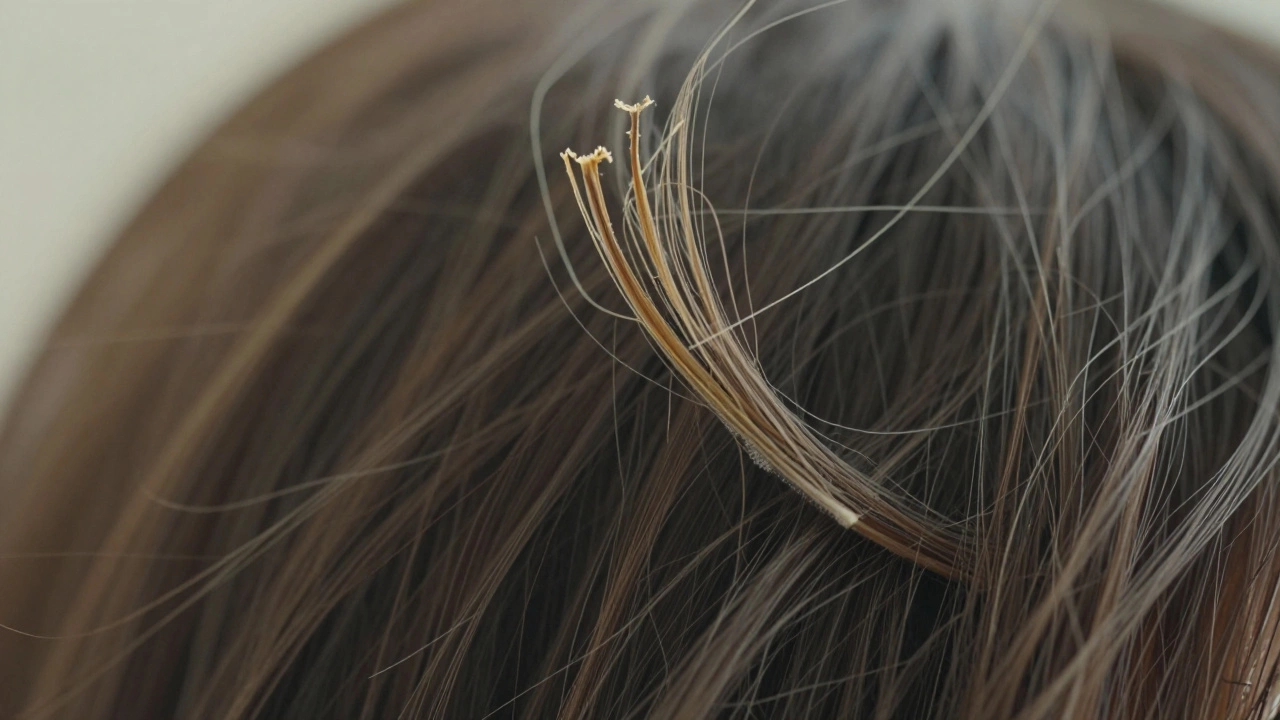
Hair Recovery: Fix Damaged Hair with Proven Tips and Treatments
When your hair feels dry, breaks easily, or loses its natural bounce, you’re dealing with hair recovery, the process of restoring damaged hair to a healthier, stronger state through targeted care and lifestyle changes. Also known as hair repair, it’s not about quick fixes—it’s about rebuilding the structure your hair lost from heat, chemicals, or neglect. This isn’t just about shiny hair. It’s about stopping breakage, reducing frizz, and getting your hair back to a point where it feels resilient, not fragile.
Real hair recovery starts with understanding what’s breaking your hair down. Heat styling, bleach, tight ponytails, and even rough towel-drying all chip away at the hair’s outer layer—the cuticle. Once that’s damaged, moisture escapes, and your strands become brittle. That’s where hair care routine, a consistent, science-backed daily and weekly regimen designed to nourish and protect hair comes in. It’s not about using ten products. It’s about using the right ones at the right time. For example, washing your hair too often strips natural oils, while washing too little lets buildup clog follicles. The sweet spot? Most people need it every 3–4 days, but if you have curly hair care, a specialized approach to maintaining moisture and definition in naturally curly or coily hair types, you might go longer between washes to avoid drying out your curls.
And it’s not just what you do to your hair—it’s what you avoid. People think expensive serums fix everything, but often, the real problem is the styling habits they don’t even notice. Sleeping on cotton pillowcases? That’s friction. Tugging wet hair with a brush? That’s breakage waiting to happen. Skipping protein treatments when your hair feels gummy or stretchy? That’s missing a key repair step. Real hair recovery means listening to your hair’s signals. If it’s snapping after a wash, it needs protein. If it’s frizzy and dry, it needs moisture. If it’s falling out in clumps, it’s time to look at stress, diet, or hormones—not just shampoo.
What you’ll find in the posts below isn’t a list of miracle cures. It’s real talk from people who’ve been there. You’ll see how washing your hair at night helps reduce heat damage, why type 3 curly hair needs different care than straight hair, and what products actually deliver results without the hype. No fluff. No gimmicks. Just clear, practical steps you can start today to turn fragile hair into strong, healthy hair.
How to Bring Damaged Hair Back to Life: Simple Steps That Actually Work
Damaged hair can recover with the right routine - stop heat damage, deep condition weekly, trim regularly, and balance protein with moisture. Real results take 3-6 months, but the change is worth it.
Read More