Dental Implant Risks: What Every Patient Should Know
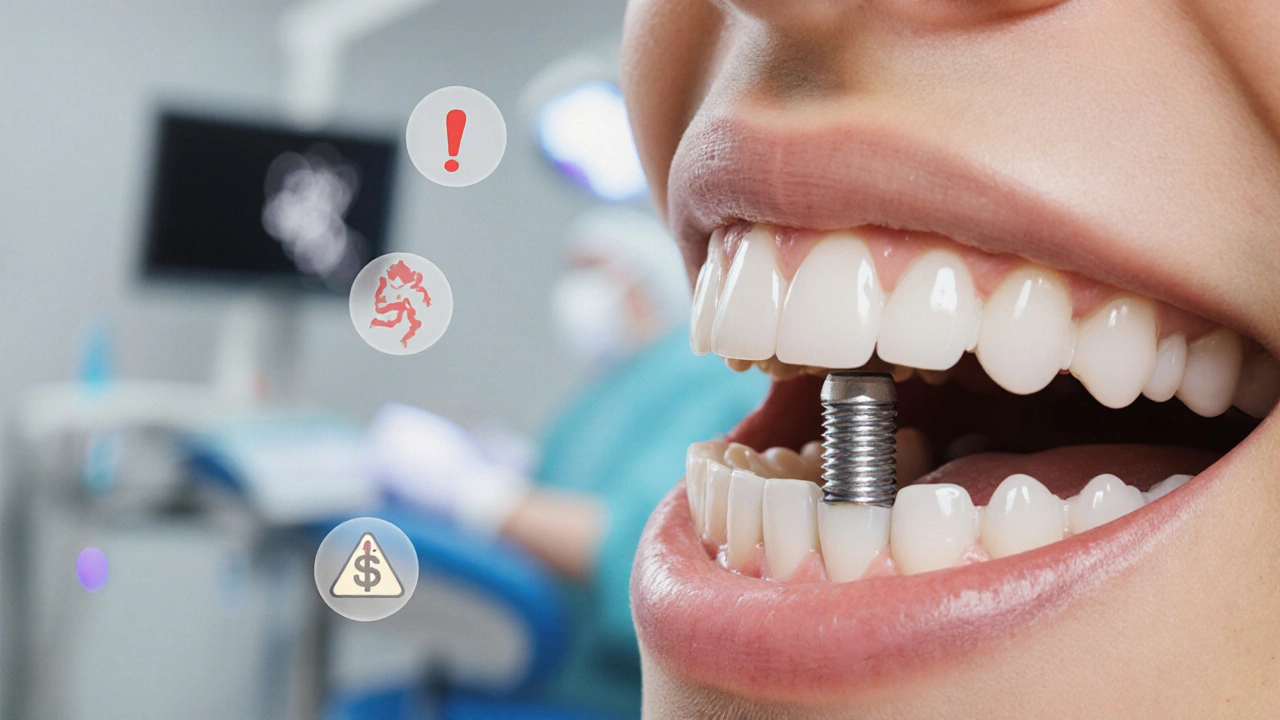
When planning a smile makeover, understanding Dental Implant Risks, the potential complications that can arise during or after implant placement. Also known as implant complications, they influence how you prepare, what you monitor, and how you react if something goes wrong.
One of the most common related concerns is Dental Implants, titanium or zirconia roots surgically placed into the jawbone to support crowns or bridges. They are the foundation, but their success hinges on surrounding health. Peri‑Implantitis, an inflammation of the gum and bone around the implant caused by bacterial buildup can silently erode that support, leading to pain, mobility, or eventual loss. Another critical factor is Bone Loss, the gradual reduction of jawbone density that weakens implant stability, often triggered by poor osseointegration or chronic infection.
Key Risks, How They Interact, and What to Watch For
Dental implant risks encompass infection, bone loss, and nerve injury, forming a chain where one issue can spark another. Infection, whether from surgical site contamination or post‑operative plaque, raises the odds of peri‑implantitis, which in turn accelerates bone loss. Nerve injury, though rarer, can cause numbness or tingling that signals misplaced drills or oversized fixtures. Healing complications like delayed osseointegration also feed into implant failure, defined as the loss of stability that forces removal or replacement.
Preventing these outcomes starts with a thorough assessment: your dentist should evaluate bone volume, screen for gum disease, and discuss medical histories such as diabetes or smoking. Imaging—often a CBCT scan—maps the jaw, highlighting vital structures and potential risk zones. During surgery, proper sterile technique, precise drilling protocols, and appropriate torque settings reduce trauma. After placement, a strict oral hygiene routine and regular check‑ups catch early signs of peri‑implantitis before bone loss becomes irreversible.
When a problem does arise, early intervention makes a big difference. For mild inflammation, professional cleanings, antimicrobial rinses, and localized antibiotics can halt progression. More advanced bone loss may require grafting or guided bone regeneration to rebuild support. In cases of severe peri‑implantitis, surgical debridement or implant removal might be necessary to protect surrounding teeth.
Understanding these connections equips you to ask the right questions, follow up effectively, and keep your implants healthy for years. Below you’ll find a curated set of articles that dive deeper into each risk factor, share real‑world case studies, and offer practical steps to safeguard your smile.
Who Should Not Get Dental Implants? Key Risks and Red Flags
Not everyone is a candidate for dental implants in the UK. Learn who should avoid them due to health conditions, smoking, bone loss, or medications-and what alternatives work better.
Read More
Dental Implant Downsides: Risks, Costs & Recovery Issues
Explore the real downsides of dental implants, from surgical risks and high costs to recovery time and long‑term maintenance, so you can make an informed decision.
Read More