Quick Summary
- GoodRx is not insurance; it is a price transparency tool and a coupon provider.
- The main "catch" is that coupons cannot be combined with insurance.
- Savings don't count toward your insurance deductible or out-of-pocket maximum.
- The platform makes money from pharmacies, not from the users.
- It works best for generic drugs and those without comprehensive insurance coverage.
How the Discount Model Actually Works
To understand if there is a catch, you first have to understand where the money comes from. GoodRx doesn't sell medicine. Instead, they act as a middleman. They negotiate rates with pharmacies, and when you use a coupon, the pharmacy pays GoodRx a small fee for bringing them a customer. It is similar to how a travel booking site works; the site finds the deal, and the hotel pays the commission. When you search for a medication, the app shows you a map of nearby pharmacies and the varying prices. You'll notice that CVS might charge $40 for a drug while Walgreens charges $15. This price volatility exists because pharmacies are allowed to set their own margins on drugs. GoodRx leverages this by creating a competitive marketplace where pharmacies lower prices to attract users.The Biggest Catch: The Insurance Trade-off
Here is the part where most people get tripped up: you cannot use a GoodRx coupon and your Health Insurance at the same time for the same prescription. You have to pick one or the other. If you hand the pharmacist a coupon, you are telling them, "Ignore my insurance; I'll pay this cash price instead." This leads to a significant financial pitfall. Most insurance plans have a Deductible, which is the amount you pay out-of-pocket before your insurance starts covering costs. Because GoodRx is a cash-pay system, the money you spend using their coupons does not count toward that deductible. If you are in the beginning of your plan year and have a $2,000 deductible, using a coupon to save $20 today might seem smart. However, you are essentially delaying the moment your insurance kicks in. If you have a major medical event later in the year, you might wish you had used your insurance early on to hit that deductible faster. For people with high-tier plans or those who have already met their maximum out-of-pocket limit, using a coupon is actually more expensive than using their insurance.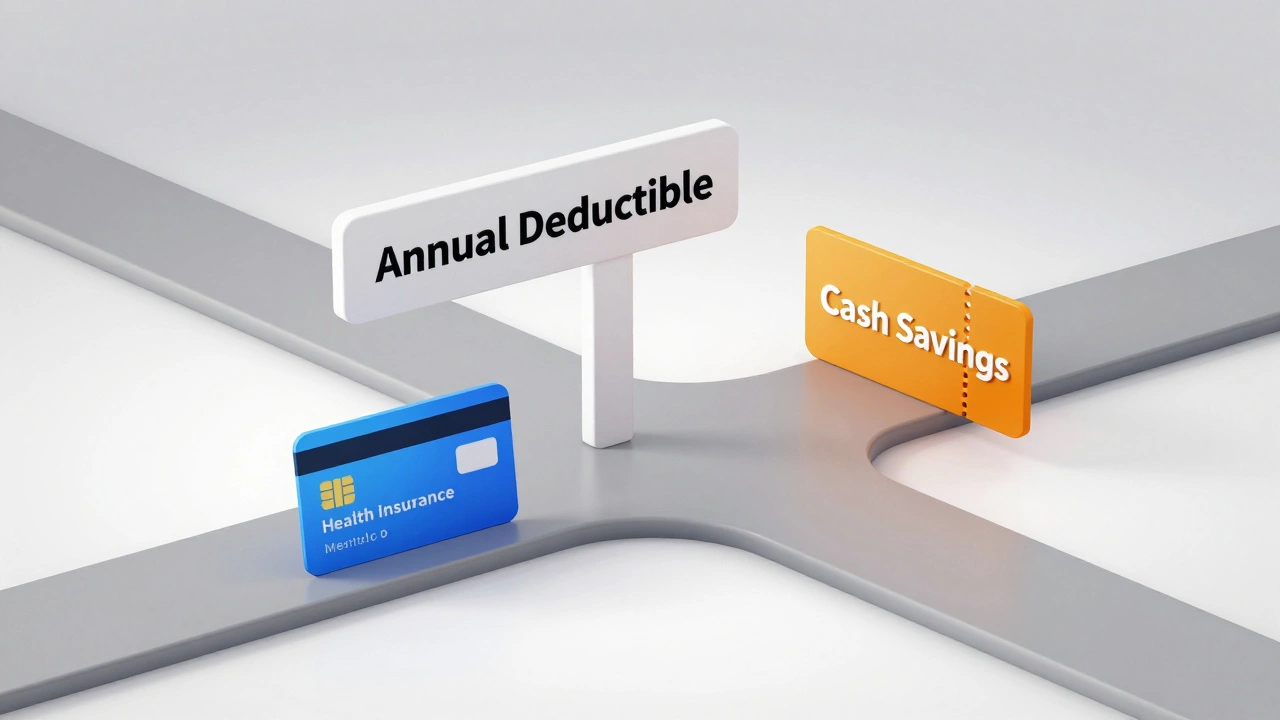
Comparing GoodRx to Insurance and Generic Alternatives
Not every drug is a good candidate for a coupon. For example, brand-name drugs with complex patent protections often have limited discount options compared to Generic Drugs. A generic drug is a medication created to be the same as an existing approved brand-name drug in dosage, safety, strength, and quality.| Feature | GoodRx Coupon | Health Insurance | Manufacturer Coupons |
|---|---|---|---|
| Counts Toward Deductible | No | Yes | No |
| Requires Enrollment | No (Free) | Yes (Monthly Premium) | Sometimes |
| Best For... | Generic meds / Uninsured | Chronic illness / High cost | Expensive Brand-names |
| Price Stability | Fluctuates by location | Set Copay | High savings, but restrictive |
The Data Privacy Question
Whenever a service is "free," people rightly ask if their data is the real product. GoodRx does collect information about what medications you are searching for and which pharmacies you visit. While they aren't "selling your medical records" in the way a shady third-party broker might, they use this data to refine their pricing algorithms and partner with healthcare providers. It is important to remember that GoodRx is not a HIPAA-covered entity in the same way a doctor's office or a hospital is. HIPAA (Health Insurance Portability and Accountability Act) sets the standard for protecting sensitive patient data. While GoodRx has privacy policies, the legal protections governing your data on a coupon app are different from the protections governing your chart at a clinic. If you are extremely sensitive about your prescription history being linked to a digital account, this is a detail worth noting.When to Use GoodRx and When to Skip It
Knowing when to use the app is the only way to avoid the "catch." If you are uninsured or underinsured, GoodRx is an absolute lifesaver. It gives you a way to negotiate a price that would otherwise be hidden behind a pharmacy's internal pricing wall. However, if you have a chronic condition that requires multiple expensive medications, you should do a side-by-side comparison. Check your insurance copay first. If the copay is $10 and the GoodRx price is $12, use the insurance. Even if the GoodRx price is $8, you might still prefer the insurance to help you reach your annual deductible. Another scenario involves Patient Assistance Programs. These are often run by the drug manufacturers themselves to provide medicine for free or at a steep discount to people who meet specific income requirements. These programs are far more powerful than a coupon but require a long application process. If you are truly struggling to afford a life-saving medication, a coupon is a temporary fix, but an assistance program is a long-term solution.
Potential Pitfalls and Pro Tips
One common frustration is the "coupon not accepted" scenario. Sometimes, a pharmacy might tell you they can't take the coupon because they've reached a certain limit or because the specific drug is excluded. Always check the app's most recent user reviews for that specific pharmacy location to see if other people are having trouble. Another tip is to look for Cost Plus Drugs, the online pharmacy started by Mark Cuban. Unlike GoodRx, which is a coupon for a physical store, Cost Plus Drugs sells the medicine directly to you at a transparent markup. In many cases, the direct-to-consumer price is even lower than the best GoodRx coupon because it removes the retail pharmacy overhead entirely.Frequently Asked Questions
Does GoodRx work with Medicare?
Generally, no. Medicare and other government-funded programs usually prohibit the use of discount coupons. If you are using Medicare Part D, you must use your insurance coverage. Trying to use a coupon could lead to issues with your benefit coverage.
Is GoodRx a pharmacy?
No, GoodRx is not a pharmacy. It does not dispense medication or hold licenses to sell drugs. It is a technology platform that connects users with pharmacies and provides pricing information and coupons.
Why is the price different at every pharmacy?
Pharmacies have significant leeway in how they price medications. They may lower prices on certain common generics to attract customers (loss leaders) while charging more for others. This lack of standardization is exactly why pricing tools are useful.
Can I use GoodRx if I have no insurance?
Yes, this is where the service is most effective. Since there is no insurance to clash with, you can simply use the lowest available coupon to pay the cash price for your medication.
Are the discounts permanent?
No. Coupon prices can change daily based on the pharmacy's current agreements with GoodRx. It is always a good idea to check the app right before you head to the pharmacy to ensure the price hasn't jumped.