
Health Website Trust Checker
Use this tool to assess if the health information you found online is reliable or if it contains "red flags." Check the boxes below based on the website you are visiting.
Trust Score
Quick Takeaways for Reliable Searching
- Prioritize sites ending in .gov, .edu, or those run by academic medical centers.
- Check for a "Medical Review" date and the credentials of the author.
- Avoid sites that promise a "miracle cure" or use aggressive sales tactics.
- Use reputable sites for research, but use an online doctor consultation for actual diagnosis.
The Gold Standard: Academic and Government Sources
When you need facts that aren't skewed by profit, go to the sources that don't sell a product. Mayo Clinic is a nonprofit academic medical center based in Rochester, Minnesota, recognized globally for high-quality patient care and research. Because they are a practicing hospital, their information is grounded in clinical reality. If you look up a condition there, you are seeing what actual doctors see in their clinics every day.
Similarly, the Cleveland Clinic provides a massive library of health information that is peer-reviewed and updated regularly. These institutions aren't just writing for clicks; they are documenting medical standards. Then there are the government hubs. The NIH (National Institutes of Health) and the CDC (Centers for Disease Control and Prevention) are the bedrock of public health data. While the CDC might feel a bit formal, they provide the most accurate statistics and guidelines on infectious diseases and vaccinations.
Consumer-Facing Health Portals: The Pros and Cons
You've probably landed on WebMD or Healthline at 3 AM. These sites are designed for the average person, not a medical student, which makes them incredibly easy to read. Healthline, for example, focuses on making complex medical jargon accessible to the general public through a rigorous medical review process.
The trade-off here is the business model. These sites rely on advertising. While the medical information itself is usually vetted by doctors, the surrounding ads might push a specific vitamin or a new skincare gadget. The key is to separate the clinical advice from the sponsored content. If the article says "You have X condition" and immediately suggests buying a specific brand of cream, take a step back. Use these portals for general education, but cross-reference the specific treatment advice with a source like the Mayo Clinic.
| Source Type | Best For | Trust Level | Primary Goal |
|---|---|---|---|
| Academic Centers (Mayo, Cleveland) | In-depth disease info & treatments | Very High | Patient Education |
| Gov Agencies (CDC, NIH) | Public health, vaccines, stats | Highest | Public Safety |
| Commercial Portals (WebMD, Healthline) | Quick symptom checks, general tips | Moderate to High | Traffic & Ad Revenue |
| Social Media / Blogs | Personal anecdotes, community support | Low | Engagement/Sales |

Red Flags: How to Spot Untrustworthy Health Sites
Not every site with a stethoscope in the logo is trustworthy. Be wary of "wellness" blogs that claim to have a secret the medical establishment is hiding from you. Science doesn't work in secrets; it works in published, peer-reviewed papers. If a website uses words like "miracle," "guaranteed," or "permanent cure" for a chronic condition, it is likely a scam.
Another warning sign is the lack of a date. Medical knowledge evolves fast. A guide on treating hypertension from 2012 is dangerously outdated. Look for a "Last reviewed on" or "Fact checked on" date. If the author is listed as "Staff" or "Admin" instead of a licensed professional (like an MD, DO, or PhD), treat the information as a suggestion, not a fact.
From Information to Action: When to Stop Searching
There is a point where reading more actually makes you feel worse. This is often called "cyberchondria." The problem with the most trusted medical websites is that they list every possible cause for a symptom, including the extremely rare ones. This is logically accurate but emotionally draining.
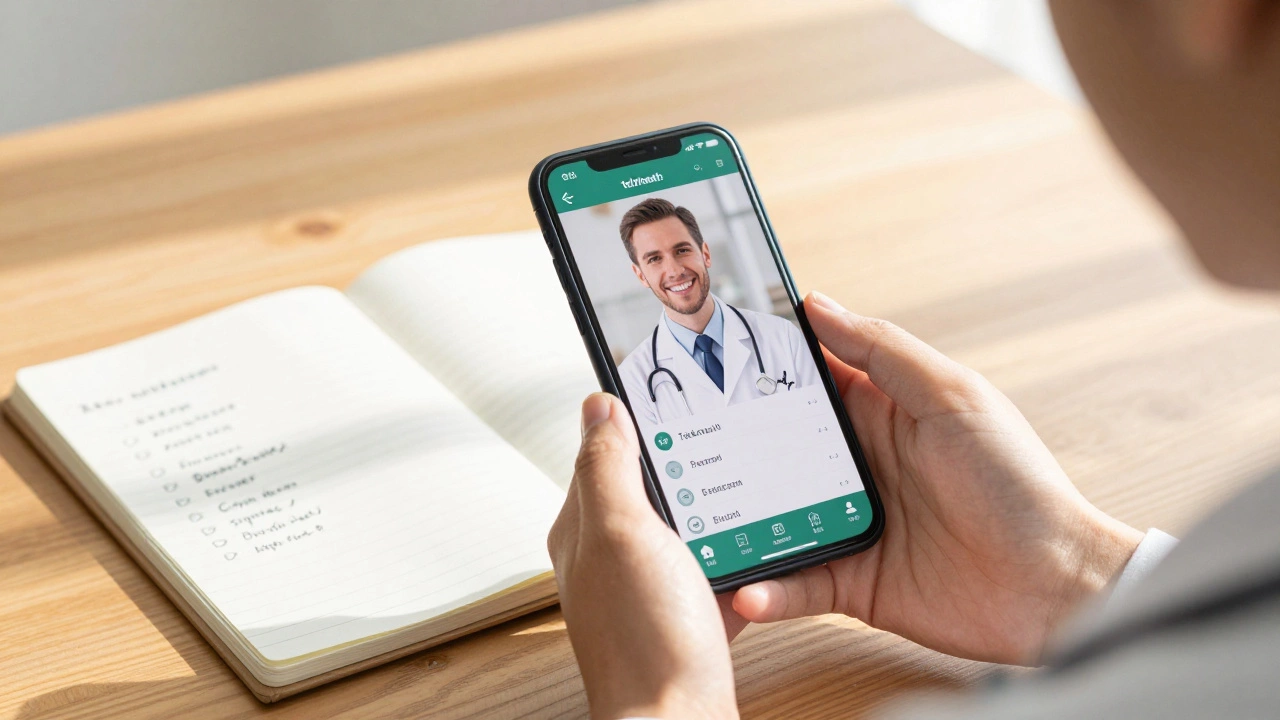
When you've gathered enough information to describe your symptoms clearly, stop searching. That is where an Online Doctor Consultation becomes the safest path. Instead of guessing which category you fit into, you can share your research with a licensed practitioner who knows your specific medical history. Telehealth platforms allow you to move from the "general information" phase to the "personalized diagnosis" phase without the stress of a waiting room.
The Role of Professional Medical Databases
For those who want to go deeper, there are databases like PubMed. This is where the actual research papers live. However, PubMed is not designed for patients; it is for researchers. Reading a study on the efficacy of a new drug in mice can be misleading if you don't understand how to interpret the data. If you find yourself on PubMed and feeling overwhelmed, head back to the Mayo Clinic, which summarizes these complex studies into actionable patient advice.
Is WebMD reliable for diagnosing symptoms?
WebMD is a great tool for understanding potential causes and learning about a condition, but it is not a diagnostic tool. Because it lists a wide range of possibilities to be thorough, it often suggests worst-case scenarios that are statistically unlikely. Use it as a starting point for a conversation with your doctor, not as a final verdict.
How can I tell if a health article is peer-reviewed?
Look for a "Medical Review Board" or a specific doctor's name with their credentials (e.g., MD, PhD) listed as the reviewer. Trusted sites will explicitly state that the content was reviewed by a medical professional to ensure accuracy. If the site only lists a "Writer" without a medical reviewer, it hasn't been peer-reviewed.
What is the best website for drug interactions?
For drug interactions, official pharmacy databases or government sites like the FDA are the safest. However, many people find the interaction checkers on Mayo Clinic or Drugs.com helpful for a quick overview. Always confirm these results with your pharmacist, as they have the most current data on your specific prescriptions.
Are .gov health sites always the most accurate?
Generally, yes, because they are based on broad population data and rigorous scientific standards. However, government sites are often slower to update than top-tier academic hospitals like the Mayo Clinic, which may implement new treatment protocols faster than a government agency can update its guidelines.
Should I trust health advice from TikTok or Instagram?
Social media should be used for community support and awareness, never for medical diagnosis. Many creators are not licensed professionals, and the algorithm rewards sensationalism over accuracy. If a video claims a simple hack can cure a chronic illness, cross-reference that claim with a trusted medical website before trying it.
What to Do Next
If you are currently experiencing symptoms, your best move is to start a list. Note when the symptoms started, what makes them better or worse, and any family history of similar issues. Use a trusted site like the Mayo Clinic to find the correct medical terms for what you are feeling. Once you have that list, book an online doctor consultation to get a professional opinion. This approach saves time and prevents the anxiety that comes from uncontrolled googling.