
Daily Makeup Product Finder
Answer a few questions to get your personalized simple makeup recommendation.
Select your preferences on the left to see your recommended makeup routine.
Your Recommended Routine
You don't need a professional studio or a degree in aesthetics to look put-together. Most of us just want a way to wake up our face without spending an hour in front of the mirror or feeling like we're wearing a mask. Whether you're heading to a casual meeting or just want to feel more confident during a Zoom call, the secret isn't in expensive tools, but in a few smart moves that enhance what you already have.
Quick Summary: The Natural Look
- Focus on skin preparation to make products glide on smoothly.
- Use lightweight coverage instead of heavy foundations.
- Define the eyes and brows to frame the face.
- Add a touch of color to the cheeks and lips for a healthy glow.
- Keep the tool kit minimal and easy to clean.
Prepping Your Canvas
Makeup looks terrible on dry or flaky skin, no matter how expensive the brand is. Before you touch a single pigment, you need to prep. Start with a gentle cleanser to remove overnight oils. Then, apply a moisturizer. If you have oily skin, a lightweight gel is best; for dry skin, go for something creamier.
If you want your makeup to stay put all day, consider Primer is a base product applied before foundation to smooth the skin's texture and increase the longevity of makeup. A simple silicone-based primer helps fill in pores, while a hydrating primer makes the skin look dewier. Just a pea-sized amount is enough for the whole face.
Creating a Natural Base
The biggest mistake beginners make is applying a thick layer of foundation everywhere. This often leads to a "cakey" look that settles into fine lines. Instead, aim for a sheer finish. If you're in a rush, BB Cream (which stands for Blemish Balm) or a CC Cream (Color Correcting) are perfect. They combine skincare and light coverage in one step.
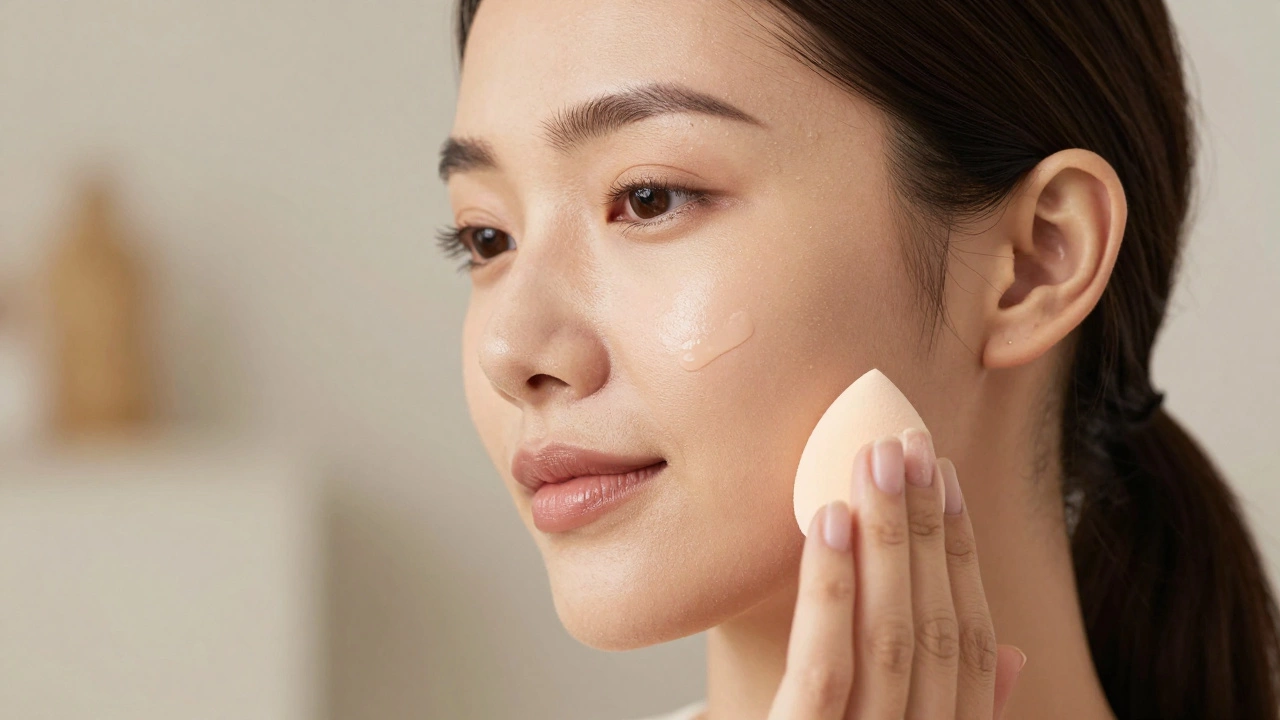
For those who prefer a traditional foundation, apply it in the center of your face-where redness usually gathers-and blend outwards toward the hairline. Use a damp Beauty Blender, which is a teardrop-shaped makeup sponge used to apply and blend liquid products for a seamless finish. The moisture in the sponge prevents the makeup from looking flat.
To hide a specific spot or a dark circle under the eye, use a simple makeup at home technique called "spot concealing." Apply a small dot of concealer only where needed, let it sit for 30 seconds to thicken, then pat it in with your ring finger. This keeps the rest of your skin looking natural while hiding the imperfections.
| Product Type | Coverage Level | Best For... | Finish |
|---|---|---|---|
| BB Cream | Sheer | Daily errands, very light coverage | Dewy |
| Tinted Moisturizer | Very Sheer | Dry skin, "no-makeup" look | Natural |
| Liquid Foundation | Medium to Full | Events, evening wear, uneven skin | Variable |
| Powder Foundation | Medium | Oily skin, quick touch-ups | Matte |
Framing the Face: Brows and Eyes
Your eyebrows act as the frame for your entire face. If they're too sparse, you look tired; if they're too heavy, you look harsh. Use a brow pencil or a tinted gel. Instead of drawing a solid line, use short, flicking motions to mimic real hair. Brush them upward with a spoolie to create a lifted, youthful look.
For the eyes, keep it effortless. A neutral brown or champagne eyeshadow swept across the lids adds dimension. If you're using Mascara, which is a cosmetic used to lengthen, thicken, and darken the eyelashes, wiggle the wand at the very root of the lashes and pull upward. This gives the appearance of thicker lashes without needing falsies.
Want a bit more definition? A thin line of brown eyeliner along the upper lash line is less intimidating than a full wing. It makes your lashes look denser without looking like you've tried too hard.
Adding Warmth and Life
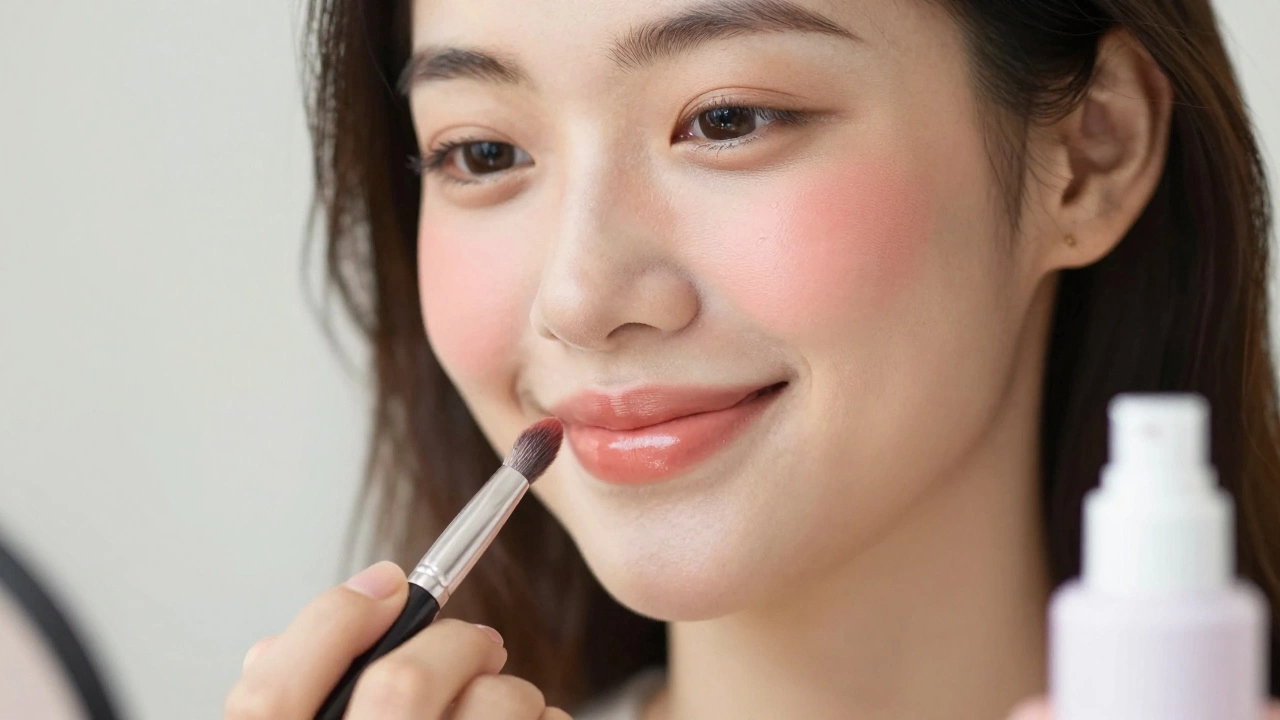
Once the base and eyes are done, you need to bring the color back into your skin. A pale face can look washed out. Blush is the easiest way to fix this. Smile and apply a small amount of pink or peach cream blush to the apples of your cheeks, blending it back toward your temples.
If you want a more structured look, a touch of bronzer along the jawline and forehead can mimic a sun-kissed glow. The trick is to use a fluffy brush and move in circular motions so there are no obvious streaks of color.
For the lips, avoid heavy matte lipsticks for a simple home look. A tinted lip balm or a sheer gloss works best. If you use a lipstick, dab it on with your finger instead of applying it straight from the tube. This creates a "blotted" effect that looks more natural and requires less maintenance throughout the day.
Setting the Look for the Day
To prevent your makeup from sliding off by lunchtime, you need to set it. Use a translucent setting powder, focusing on the "T-zone" (forehead, nose, and chin). These are the areas where oil usually breaks through first. Use a light hand; too much powder can make the skin look dry.
For an extra layer of security, a quick spritz of setting spray locks everything in place. This is especially helpful if you live in a humid climate or have a long day ahead. It blends the powder and cream products together, removing that powdery look and giving you a soft-focus finish.
Do I really need to use a primer every time?
Not necessarily. If your moisturizer already makes your skin feel smooth and you aren't worried about your makeup fading, you can skip it. Primers are most useful if you have very large pores or if you need your makeup to last more than 8 hours without touching up.
How do I find the right shade of foundation at home?
The best way to test a shade is on your jawline, not your hand. Your hand is often a different color than your face. If you're buying online, look for brands that offer shade matching quizzes or samples. A shade that disappears into your skin is the winner.
What's the best way to clean my makeup sponges?
You should clean your sponges after every few uses to avoid bacteria buildup. Use a mild dish soap or a dedicated sponge cleanser. Squeeze the sponge under warm running water, rubbing the soap in until the water runs clear. Let it air dry completely before storing it.
Can I use concealer without foundation?
Absolutely. In fact, using only concealer on problem areas and blending it well is one of the best ways to achieve a truly natural, "no-makeup" look. Just make sure to blend the edges carefully so there are no harsh lines between the concealer and your bare skin.
How do I stop my mascara from smudging?
Switch to a waterproof formula or apply a very light dusting of translucent powder to your eyelids before applying mascara. This prevents the oils on your eyelids from breaking down the mascara throughout the day.
Troubleshooting Common Issues
If you find your makeup looks patchy, it's usually because of uneven skin texture. Try exfoliating with a gentle chemical exfoliant once or twice a week to remove dead skin. If your foundation looks too orange (oxidizing), try a shade that is slightly cooler or one step lighter.
For those with very oily skin, avoid creamy blushes and opt for powder versions. If you have very dry skin, avoid powder foundations and stick to creams or liquids to prevent the makeup from clinging to dry patches.