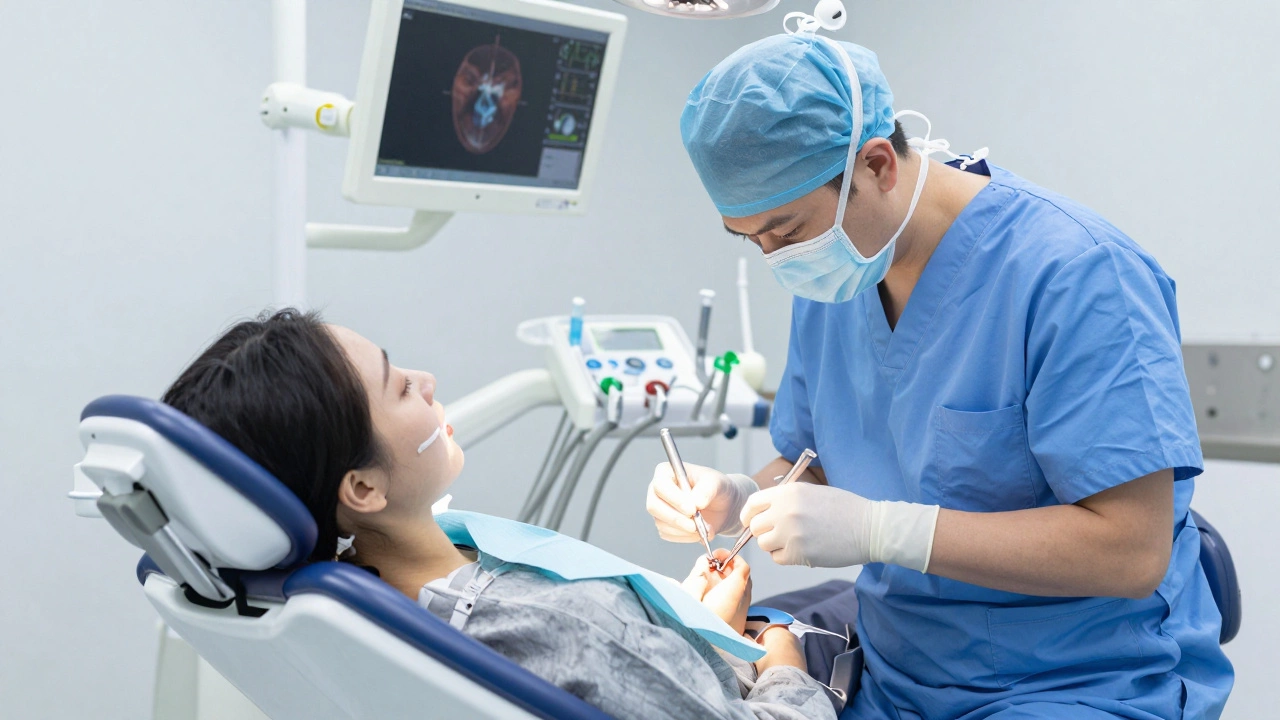
Immediate Load Implant Candidacy Checker
Patient Profile Assessment
Did You Know?
The All-on-4 technique uses four strategically angled implants to support a full arch, often avoiding the need for bone grafting by bypassing low-density areas like sinus cavities.
Your Candidacy Score
0%The Promise of Same-Day Teeth
You’ve heard the ads. They promise a smile transformation in a single visit. No months of waiting with gaps or flimsy dentures. Just walk in with missing teeth and walk out with a full set of functional, beautiful teeth by dinner time. It sounds like magic, but is it real? The short answer is yes, you can get full dental implants placed and have temporary teeth attached on the same day. However, the reality is a bit more nuanced than the glossy brochures suggest.
This procedure, often referred to as Immediate Load Implants is a surgical technique where implant fixtures are placed into the jawbone and temporary prosthetic teeth are attached within 24 hours, has revolutionized restorative dentistry. But before you book a flight to a dental tourism hub or schedule a consultation, you need to understand what actually happens during that "one day" and what comes after.
How Immediate Load Implants Work
Traditional dental implant treatment involves a wait. After the titanium posts are screwed into your jawbone, you typically wait three to six months for osseointegration-the process where the bone fuses with the metal. During this time, you might wear temporary dentures or go without teeth in certain areas.
Immediate load implants skip that waiting period for the *temporary* teeth. Here is the step-by-step process:
- Surgical Placement: The oral surgeon places four to six titanium implants into your jawbone. This is usually done under local anesthesia, though many patients opt for IV sedation to sleep through the procedure.
- Attachment of Temporary Prosthesis: Before you leave the clinic, a pre-fabricated temporary bridge (usually made of acrylic) is snapped onto the implants. These aren’t just for looks; they help guide the healing process and protect the implants.
- Healing Phase: Over the next three to six months, your bone heals around the implants. You’ll eat soft foods and follow strict hygiene protocols.
- Final Restoration: Once healing is complete, you return for a second appointment to replace the temporary bridge with your permanent, custom-made zirconia or porcelain-fused-to-metal teeth.
So, while you do leave with teeth on day one, those teeth are temporary. The final, durable result takes several months to achieve.
The All-on-4 Technique: The Gold Standard
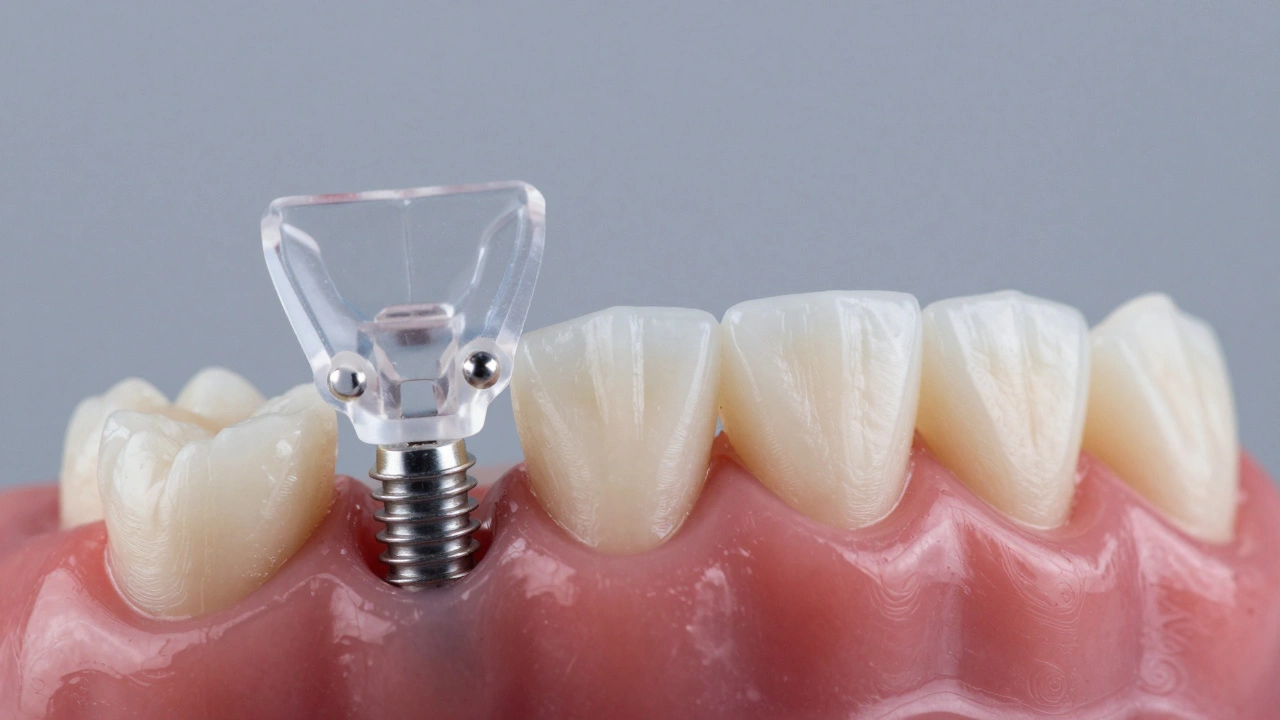
When people talk about getting full arches replaced in one day, they are almost always referring to the All-on-4 Technique is a specific implant protocol that uses four strategically angled implants to support a full arch of teeth without the need for bone grafting. Developed by Nobel Biocare, this method allows surgeons to avoid complex bone grafts in most cases.
| Feature | Traditional Implants | Immediate Load (All-on-4) |
|---|---|---|
| Time to Walk Out with Teeth | 3-6 months (with temporaries) | Same day |
| Bone Grafting Required | Often yes | Rarely (due to angulation) |
| Number of Surgeries | 2+ (placement + abutment) | 1 (placement + temp attachment) |
| Cost | Variable, often higher due to grafts | Predictable package pricing |
| Final Teeth Material | d>Porcelain/Zirconia | Acrylic (temp), then Zirconia/PFM |
The key advantage here is efficiency. By angling the posterior implants, surgeons can bypass areas of low bone density, such as the sinus cavities in the upper jaw or the nerve canal in the lower jaw. This means fewer surgeries and a faster path to function.
Who Is a Candidate for One-Day Implants?
Not everyone qualifies for immediate loading. In fact, patient selection is critical to the success of the procedure. If the implants don’t have enough primary stability (they need to be screwed in tight enough to hold the weight of the temporary teeth), the risk of failure increases significantly.
Your dentist will evaluate several factors:
- Bone Density: You need sufficient bone volume to anchor the implants. If you’ve had significant bone loss from long-term denture use or periodontal disease, you might still need grafting first.
- Oral Hygiene: Implants require meticulous care. If you struggle with brushing and flossing, the risk of peri-implantitis (gum disease around implants) is high.
- Smoking Status: Smoking constricts blood vessels and impairs healing. Most reputable surgeons will refuse to perform immediate load implants on active smokers, or at least strongly advise quitting weeks before surgery.
- Systemic Health: Uncontrolled diabetes, osteoporosis, or immunosuppressive conditions can interfere with osseointegration.
If you’re generally healthy, have good bone structure, and are committed to post-op care, you’re likely a strong candidate.
The Reality Check: What Happens After Day One
Let’s be clear: leaving the clinic with teeth doesn’t mean you can bite into an apple that evening. The temporary prosthesis is fragile. For the first few weeks, you’ll be on a strict soft-food diet-think soups, smoothies, mashed potatoes, and scrambled eggs.
Swelling and bruising are normal for the first 3-5 days. You’ll need to take antibiotics and painkillers as prescribed. Many patients report feeling surprisingly fine, thanks to modern sedation techniques, but others experience significant discomfort. It’s not a cosmetic tweak; it’s major oral surgery.
Also, consider the aesthetic compromise. Temporary bridges are usually made of pink acrylic, which can look slightly artificial compared to natural gums. They’re functional and serviceable, but not photogenic. Your final restoration, crafted from high-strength materials like Zirconia is a ceramic material known for its strength and biocompatibility, often used for permanent implant bridges, will look and feel much more natural.

Cost Considerations in the UK and Beyond
In the UK, the cost of full-arch immediate load implants varies widely. A typical range for one arch (upper or lower) using the All-on-4 technique is between £8,000 and £15,000. This price usually includes the surgery, the temporary bridge, and sometimes the final restoration, but always confirm what’s included.
Dental tourism is a tempting alternative. Clinics in countries like Turkey, Spain, or Mexico may offer the same procedure for £3,000 to £5,000. While the upfront savings are substantial, consider the risks:
- Follow-up Care: Complications can arise months later. If you’re abroad, who handles them? Travel costs for emergency visits add up quickly.
- Regulatory Standards: Not all countries have the same stringent regulations on implant materials and sterilization protocols as the NHS or private UK clinics.
- Communication Barriers: Misunderstandings about aftercare instructions can lead to poor outcomes.
If you choose dental tourism, ensure you have a local dentist willing to manage your post-operative care and handle any necessary adjustments to your final bridge.
Alternatives to Immediate Load Implants
If you’re not a candidate for one-day implants, or if you prefer a different approach, there are other options:
- Traditional Implant Overdentures: Two to four implants secure a removable denture. Less expensive than fixed bridges, but still requires removal for cleaning.
- Resin-Bonded Bridges: For replacing one or two teeth, these "Maryland bridges" bond to adjacent teeth without drilling. Not suitable for full arches.
- Complete Dentures: The most affordable option, but offers the least stability and comfort. Modern flexible dentures have improved fit, but they still slip and limit chewing ability.
Each option has trade-offs in cost, comfort, and longevity. Discuss your priorities with your dentist-are you prioritizing speed, budget, or long-term durability?
Frequently Asked Questions
Do immediate load implants hurt?
The surgery itself is painless due to anesthesia and sedation. Post-operatively, you’ll experience swelling, bruising, and soreness for about a week. Pain is typically manageable with over-the-counter or prescribed medication. Most patients describe it as similar to having multiple wisdom teeth extracted.
How long do temporary teeth last?
Temporary teeth are designed to last only until your final restoration is ready, usually 3-6 months. They are made of acrylic, which is softer and more prone to chipping or staining. Avoid hard, sticky, or crunchy foods to prevent damage.
Can I eat normally immediately after surgery?
No. You must stick to a liquid or soft-food diet for the first 2-4 weeks. Biting directly into solid foods can loosen the temporary bridge or disrupt the healing implants. Gradually reintroduce harder foods as your dentist advises.
What if the implants fail?
Implant failure rates are low (around 2-5%) when performed by experienced surgeons. If an implant fails to integrate, it may need to be removed and the site allowed to heal before retrying. This is why choosing a qualified provider and following aftercare instructions is crucial.
Is dental insurance likely to cover immediate load implants?
Most standard dental insurance plans in the UK and elsewhere classify implants as cosmetic or elective, meaning coverage is limited or non-existent. Some medical insurance policies may cover part of the cost if tooth loss was due to trauma or disease. Always check with your provider for specifics.
How do I clean my new implants?
Hygiene is vital. Brush twice daily with a soft-bristled brush, use interdental brushes or water flossers to clean under the bridge, and rinse with antimicrobial mouthwash. Regular professional cleanings every 3-6 months are recommended to prevent peri-implantitis.
Can smokers get immediate load implants?
Most reputable surgeons will not place immediate load implants in active smokers due to the high risk of failure. Smoking reduces blood flow and impairs healing. Quitting smoking for at least 2-4 weeks before and after surgery significantly improves outcomes.
What is the difference between All-on-4 and All-on-6?
All-on-4 uses four implants, while All-on-6 uses six. All-on-6 provides additional support and stability, which can be beneficial for patients with weaker bone density or those who want to chew harder foods sooner. It also distributes force more evenly, potentially extending the lifespan of the restoration.
Are immediate load implants permanent?
The implants themselves are permanent. The temporary bridge is not. Once healed, you’ll receive a final bridge made of durable materials like zirconia or porcelain, which can last 15-20 years or more with proper care. The bridge may need replacement eventually due to wear, but the implants remain in place.
How do I choose a surgeon for immediate load implants?
Look for a specialist with extensive experience in implantology, specifically immediate load techniques. Ask to see before-and-after photos of their work, read patient reviews, and inquire about their complication management plan. Ensure they use certified implant systems and provide comprehensive aftercare.