Dental Implant Eligibility Checker
Select the options that apply to your current health status to estimate your candidacy risk.
Assessment Result
Recommended Next Steps:
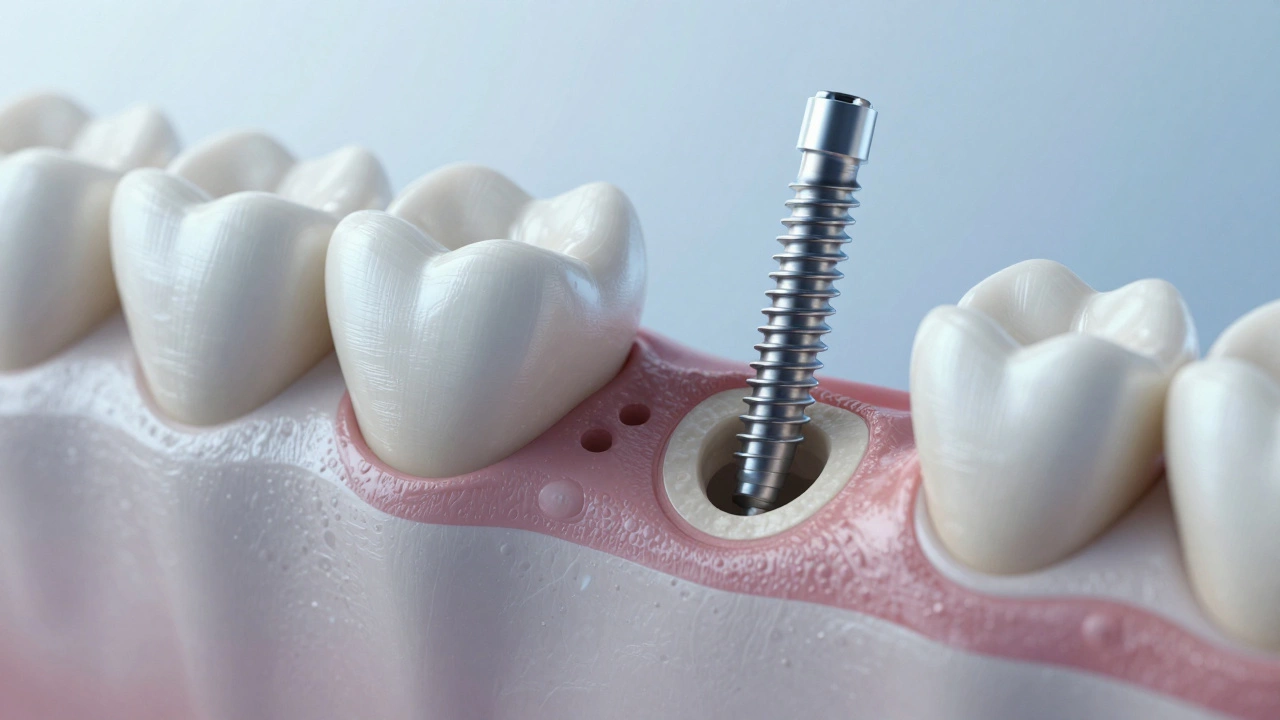
You have saved up for months. You are ready to replace that missing tooth with a permanent solution. But then your dentist drops the bomb: "You are not a candidate for implants." It feels like a closed door, but it is rarely about cost or convenience. It is about biology. Dental implants are titanium posts surgically placed into the jawbone to support artificial teeth. They rely on a process called osseointegration, where the bone fuses directly to the metal. If your body cannot perform this fusion, the implant will fail.
In the UK, where private dental care is highly regulated and standards are rigorous, understanding why you might be disqualified is just as important as knowing how much they cost. This isn't about gatekeeping; it's about preventing painful failures and saving you money. Let's look at the specific health conditions and lifestyle factors that can stop an implant in its tracks.
The Bone Foundation: Why Density Matters More Than You Think
Imagine building a house on sand. No matter how strong the bricks are, the foundation will shift. Your jawbone is that foundation. For an implant to work, you need sufficient bone volume and density. If you have had a missing tooth for several years, your jawbone begins to resorb, or shrink, because it no longer receives stimulation from the tooth root. This is known as alveolar ridge resorption.
If your bone has shrunk too much, standard implants simply won't fit. You might hear terms like "atrophic ridge" or "insufficient vertical height." In these cases, you are not permanently disqualified, but you cannot proceed with a simple implant placement. You would first need Bone grafting is a surgical procedure to repair or rebuild damaged or diseased bone. This adds significant time-often 4 to 9 months of healing before the implant can even be placed-and extra cost. Some patients choose to skip this step entirely, opting for bridges or dentures instead. If you lack the bone and refuse the graft, you effectively cannot use a standard implant.
Systemic Health Conditions That Halt Healing
Your ability to heal after surgery is the single biggest predictor of implant success. Certain systemic conditions interfere with blood flow, immune response, or cell regeneration. Here are the primary medical red flags:
- Uncontrolled Diabetes: High blood sugar levels impair circulation and slow down wound healing. The general rule in UK dental practices is that your HbA1c level should be below 7% (or sometimes 8%, depending on the surgeon's risk tolerance) before proceeding. If your diabetes is unmanaged, the risk of infection and implant failure skyrockets.
- Osteoporosis and Medication Risks: Osteoporosis itself doesn't always ban implants, but the medications used to treat severe cases do. Bisphosphonates, particularly those taken intravenously for cancer-related bone issues, can lead to osteonecrosis of the jaw (ONJ). This is a condition where the bone dies and fails to heal after minor trauma. Dentists often require a drug holiday or extensive consultation with your GP or oncologist before touching the bone.
- Autoimmune Diseases: Conditions like rheumatoid arthritis or lupus can affect healing rates. Additionally, if you are on immunosuppressant drugs to manage these conditions, your body may not fight off post-surgical infections effectively.
- Recent Radiation Therapy: If you have had radiation treatment to the head and neck area, the blood supply to the jawbone may be compromised. This significantly increases the risk of dry socket and implant failure. Special protocols, such as hyperbaric oxygen therapy, might be required, but many surgeons will decline to place implants in irradiated bone due to the high risk.
The Smoking Factor: A Lifestyle Disqualifier
This is the most common reason patients are turned away, and it is often underestimated. Nicotine is a vasoconstrictive substance that reduces blood flow to tissues. When you smoke, your gums receive less oxygen and fewer nutrients. This delays healing and creates a perfect environment for bacteria to thrive around the implant site.
Studies consistently show that smokers have a significantly higher rate of implant failure compared to non-smokers. Some UK dental clinics have strict policies: they will not place implants in current smokers who refuse to quit. Others may require you to abstain from smoking for at least two weeks before and four weeks after surgery. However, heavy smokers (more than 10 cigarettes a day) are often deemed poor candidates regardless of their willingness to quit temporarily, because the long-term risk of peri-implantitis-a destructive inflammatory process affecting the tissues around an implant-is too high.
Gum Disease: The Silent Killer of Implants
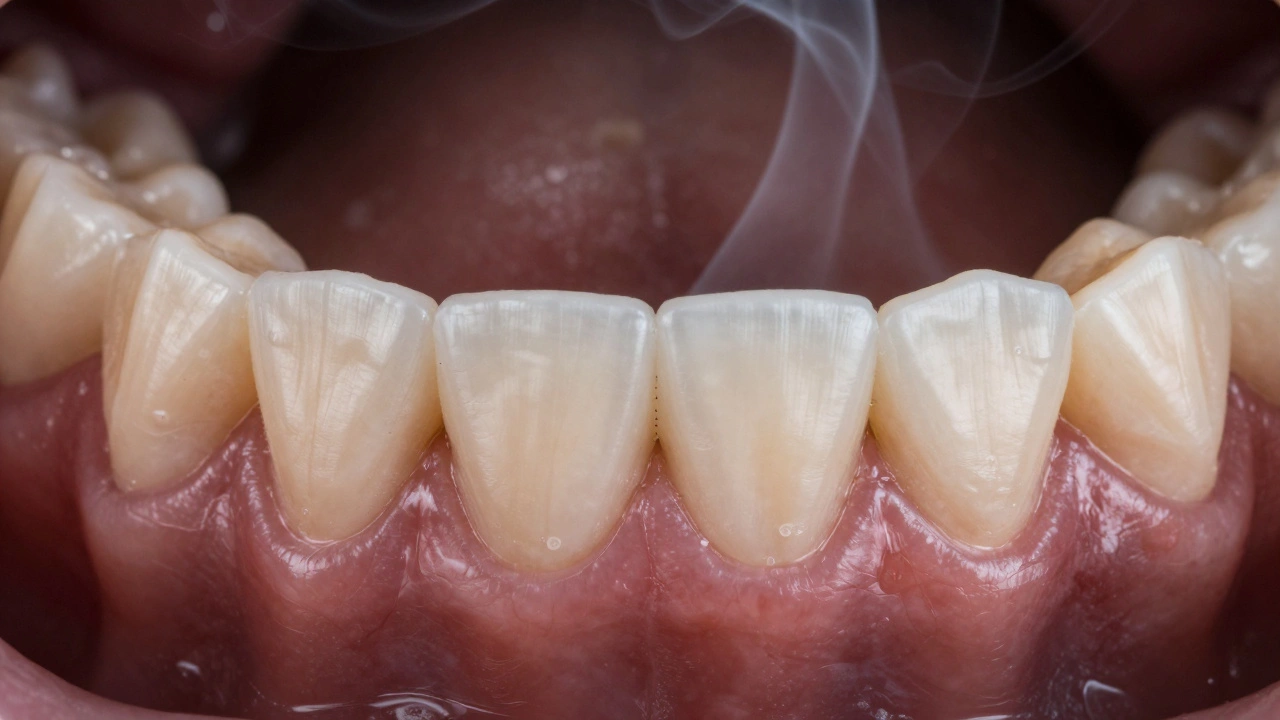
You might think gum disease only affects natural teeth, but it attacks implants too. This condition is called peri-implantitis. If you currently have active periodontal disease, placing an implant is like planting a tree in soil infested with pests. The bacteria causing the gum disease will attack the new implant, leading to bone loss and eventual failure.
Before any implant work begins, your dentist must ensure your mouth is completely free of active infection. This means you may need deep cleaning (scaling and root planing), antibiotic therapy, or even gum surgery to treat existing pockets of infection. Until your oral hygiene is impeccable and your gums are healthy, you are not eligible for implants. Poor oral hygiene habits, such as irregular brushing or flossing, are also a disqualifier. An implant requires meticulous daily care; if you haven't maintained your natural teeth well, your dentist may doubt your commitment to caring for an expensive prosthetic.
Age and Developmental Considerations
While there is no upper age limit for dental implants-healthy octogenarians get them all the time-there is a strict lower limit. Children and teenagers whose jaws are still growing cannot receive implants. The implant is fixed in place; it does not move with the surrounding bone as the face develops. Placing an implant in a growing jaw can result in the implant appearing submerged or misaligned as the patient ages.
Dentists typically wait until skeletal growth is complete, which is usually around age 17 for girls and 19 for boys. Panoramic X-rays or CBCT scans are used to assess growth plates. If you are young and missing a tooth, temporary solutions like resin-bonded bridges or partial dentures are used until you are old enough for permanent implant placement.
Pregnancy and Hormonal Changes
Pregnancy is not a permanent contraindication, but it is a temporary one. Most ethical dentists in the UK will postpone elective surgeries like implant placement until after delivery. Hormonal changes during pregnancy increase blood flow to the gums, making them more sensitive and prone to bleeding and inflammation. Additionally, the stress of surgery and the need for pain medication or antibiotics pose unnecessary risks to both mother and baby. While emergency dental care is available during pregnancy, elective procedures are strictly deferred.
| Factor | Impact on Implant Success | Potential Solution |
|---|---|---|
| Insufficient Bone Volume | Implant cannot anchor securely | Bone grafting or zygomatic implants |
| Uncontrolled Diabetes | Delayed healing, high infection risk | Manage blood sugar levels (HbA1c < 7%) |
| Heavy Smoking | Vasoconstriction leads to failure | Cessation programs or abstinence periods |
| Active Periodontal Disease | Bacteria destroy implant support | Deep cleaning and periodontal therapy |
| Bisphosphonate Use | Risk of osteonecrosis of the jaw | Consult oncologist; consider alternative treatments |
When Implants Are Not the Only Option
If you fall into one of these categories, it does not mean you are stuck with gaps in your smile. There are excellent alternatives that do not carry the same biological risks. Dental bridges, which anchor to adjacent teeth, do not require bone integration. Removable partial dentures offer a non-invasive way to restore function and aesthetics. For patients with severe bone loss who cannot undergo grafting, All-on-4® techniques using angled implants might bypass the need for extensive bone buildup, though this still requires adequate bone quality.
Understanding your limitations empowers you to make informed decisions. Instead of pushing for a procedure your body cannot support, work with your dentist to find the safest, most effective restoration for your unique health profile. Your long-term oral health is worth more than a quick fix.
Can I get dental implants if I have diabetes?
Yes, but only if your diabetes is well-controlled. Most UK dentists require your HbA1c level to be below 7% before proceeding with surgery. Uncontrolled diabetes impairs healing and increases the risk of infection, which can lead to implant failure.
Will smoking definitely cause my dental implant to fail?
Smoking significantly increases the risk of failure, but it is not a guarantee. Nicotine restricts blood flow, slowing healing. Many dentists require smokers to quit for several weeks before and after surgery. Heavy smokers may be denied implants altogether due to the high risk of peri-implantitis.
What if I don't have enough bone for an implant?
If you lack sufficient bone volume, you may need bone grafting to build up the jawbone before implant placement. This adds several months to the treatment timeline. Alternatively, options like dental bridges or dentures do not require bone integration.
Are there age limits for getting dental implants?
There is no upper age limit for healthy individuals. However, children and teenagers whose jaws are still growing cannot receive implants because the fixed implant will not move with the developing bone. Treatment is usually delayed until skeletal maturity, around age 17-19.
Can I get implants if I take osteoporosis medication?
It depends on the type of medication. Oral bisphosphonates generally pose low risk, but intravenous bisphosphonates used for cancer treatment carry a high risk of osteonecrosis of the jaw. Consultation with your doctor is essential, and some dentists may refuse to operate on patients taking IV bisphosphonates.