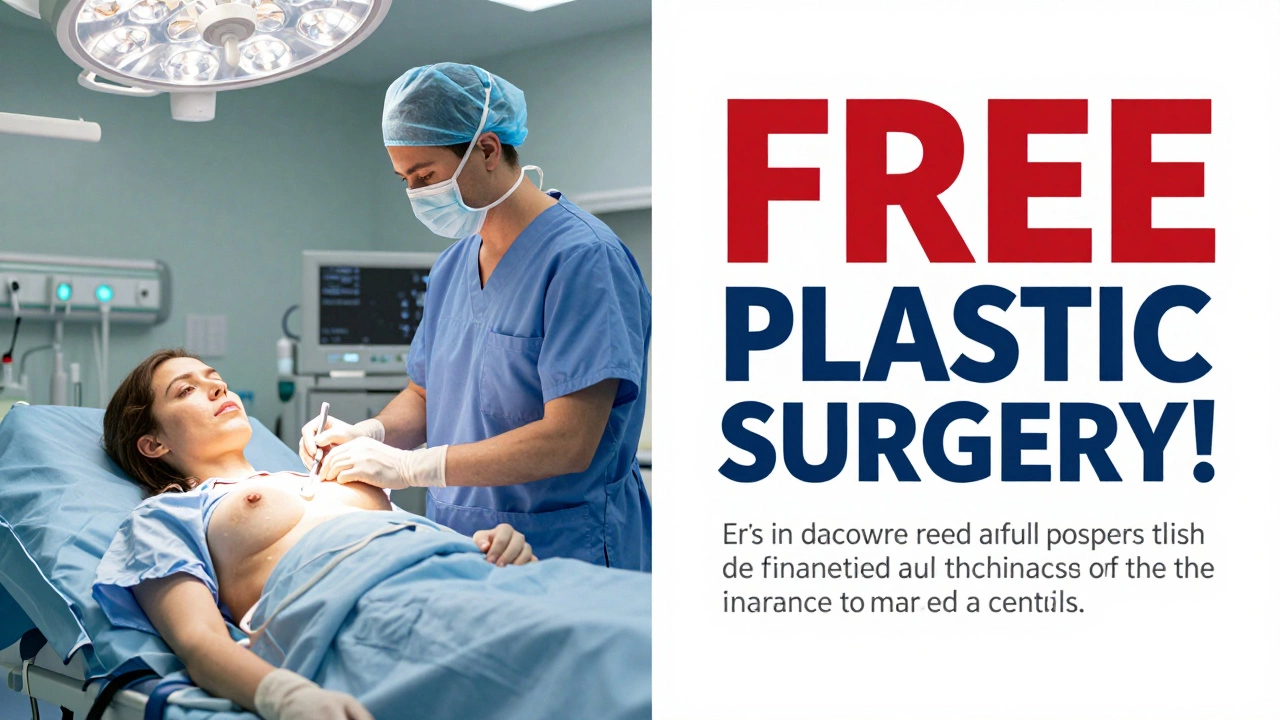
Reconstructive Surgery Coverage Checker
Find Coverage for Medical Plastic Surgery
This tool shows which countries cover reconstructive plastic surgery (medically necessary) under public healthcare. Note: Cosmetic surgery for appearance is never free.
People often ask if any country offers free plastic surgery. The short answer is: not for purely cosmetic reasons. But if you're looking for surgery that’s covered at no cost, it’s not impossible - you just need to understand the difference between cosmetic and reconstructive procedures.
There’s No Such Thing as Free Cosmetic Surgery
Plastic surgery for looks alone - like breast implants, nose jobs, or tummy tucks - is never free anywhere in the world. Even in countries with universal healthcare, these procedures are considered elective. Governments don’t fund them because they aren’t medically necessary. If you see ads claiming "free plastic surgery," they’re usually marketing traps. You’ll pay through hidden fees, high-interest financing, or by becoming a test subject for new techniques.
Take the UK, for example. The NHS (National Health Service) doesn’t cover cosmetic surgery for vanity. But it does cover reconstructive surgery when it’s needed to fix damage from accidents, birth defects, or cancer treatment. That’s the key distinction. A breast reconstruction after a mastectomy? Covered. A breast enlargement to feel more confident? Not covered.
How the NHS Handles Plastic Surgery in the UK
In the UK, the NHS performs thousands of reconstructive surgeries every year. These include:
- Repairing cleft lips and palates in children
- Rebuilding skin after burns or trauma
- Restoring function after cancer removal (like breast reconstruction)
- Correcting severe congenital deformities
Eligibility isn’t automatic. You need a referral from your GP, and a specialist must confirm the surgery is medically necessary. Even then, waiting times can be long - sometimes over a year. Many people end up paying privately because they can’t wait.
Some rare cases get approved for cosmetic-like procedures if they cause serious psychological harm. For instance, someone with extreme gynecomastia (enlarged male breasts) who suffers severe anxiety might qualify. Or a person with a facial disfigurement that makes daily life unbearable. But these are exceptions, not the rule.
Other Countries With Publicly Funded Reconstructive Surgery
The UK isn’t alone. Other countries with public healthcare systems offer similar coverage:
- Canada: Reconstructive surgery after cancer or trauma is covered under provincial health plans. Cosmetic procedures are not.
- Australia: Medicare covers some reconstructive surgeries, especially after burns or mastectomies. Private insurance often picks up the rest. Sweden: The public healthcare system funds functional restoration, not aesthetics. Waiting lists are long, but costs are zero at point of service.
- Germany: Statutory health insurance covers procedures that restore bodily function or correct congenital issues.
In all these places, the line is clear: if it’s about healing or restoring function, it might be free. If it’s about looking better, you pay.

Why Some People Think Plastic Surgery Is Free
Confusion often comes from two sources. First, media stories about people getting free reconstructive surgery after disasters - like a wildfire survivor getting skin grafts - make it seem like all plastic surgery is covered. Second, clinics in places like Thailand or Turkey advertise "low-cost" cosmetic surgery, which gets misinterpreted as "free."
These clinics are businesses. They offer lower prices because labor and overhead costs are cheaper. But you still pay. And there’s risk. Complications can be hard to fix if you’re far from home. Follow-up care? That’s usually extra. And if something goes wrong, your home country’s health system won’t help.
What You Can Do If You Want Surgery But Can’t Afford It
If you’re considering surgery but money’s tight, here’s what actually works:
- Check if you qualify for reconstructive surgery under your country’s public system. Talk to your GP or a specialist.
- Ask about payment plans. Many private clinics offer 0% interest financing over 12-24 months.
- Look into medical tourism carefully. Research clinics with international accreditation (like JCI or ISO). Read real patient reviews, not just testimonials.
- Consider non-surgical alternatives. Fillers, laser treatments, or skin tightening can give noticeable results for a fraction of the cost.
There’s no shortcut. No country gives away cosmetic surgery for free. But there are legal, safe ways to get help if you need it for medical reasons - and smart ways to pay if you want it for personal reasons.
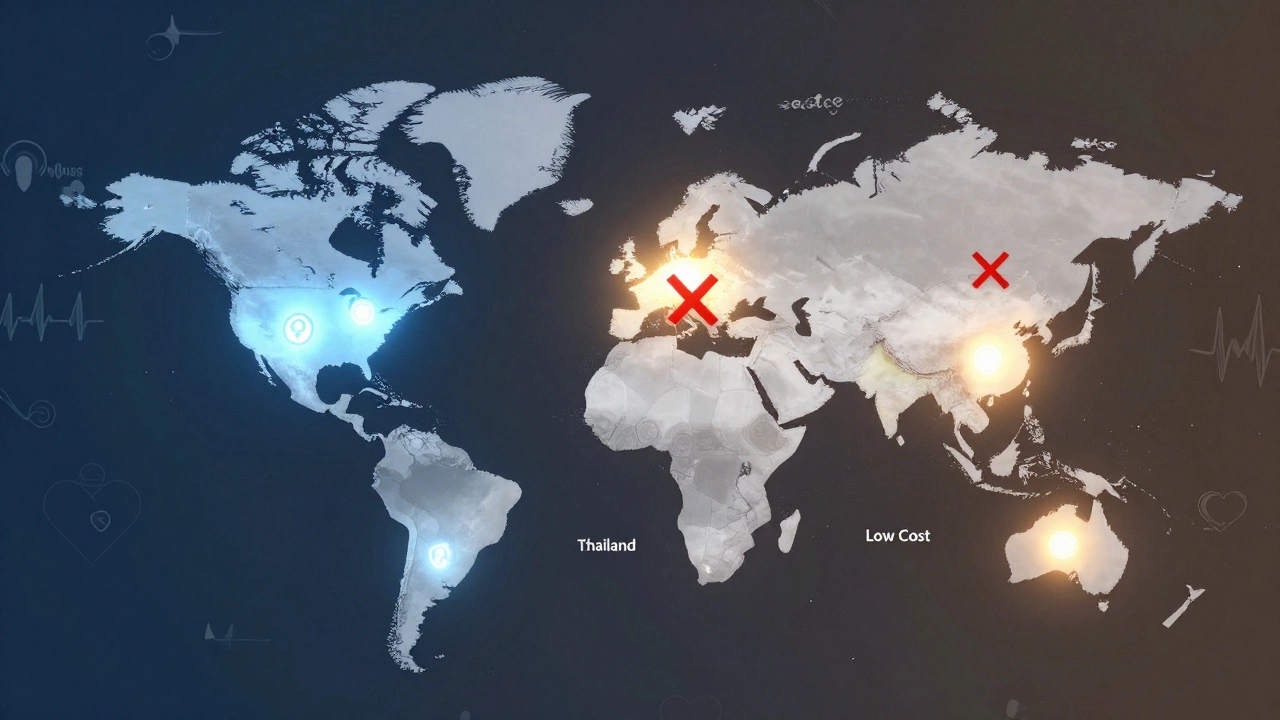
The Real Cost of "Free" Plastic Surgery
Some clinics lure people in with "free" consultations, then push them into high-pressure sales. They might promise a free procedure if you refer others - but those "free" surgeries often come with hidden conditions: you have to pay for anesthesia, hospital fees, or follow-up care. Or worse - you’re used as a test patient for unproven techniques.
A 2024 study by the British Association of Aesthetic Plastic Surgeons found that 62% of people who got "free" surgery abroad reported complications. Only 18% of them received proper follow-up care. The rest paid out of pocket to fix what went wrong.
True medical care doesn’t come with fine print like "free surgery if you sign up for a lifetime membership." If it sounds too good to be true, it is.
Final Thoughts: Free Doesn’t Mean Easy
There’s no magic country where you can walk in and get a nose job for free. But if you’re dealing with real medical issues - disfigurement, trauma, or illness-related changes - help may be available. It just takes time, paperwork, and patience.
And if you’re seeking surgery to feel better about yourself? That’s valid. But don’t fall for myths. The safest, most honest path is to talk to a licensed surgeon, understand your options, and budget accordingly. Real change takes more than a viral ad - it takes research, self-awareness, and realistic expectations.
Is plastic surgery free in the UK?
No, plastic surgery for purely cosmetic reasons is not free in the UK. The NHS only covers reconstructive surgery that’s medically necessary - such as after cancer, trauma, or birth defects. Procedures like breast augmentation, rhinoplasty for looks, or tummy tucks are not funded. You must pay privately or go through long waiting lists if you qualify for reconstruction.
What countries offer free cosmetic surgery?
No country offers free cosmetic surgery for aesthetic purposes. Some countries with universal healthcare - like Canada, Germany, Sweden, and Australia - cover reconstructive surgery after injury, illness, or congenital conditions. But procedures done solely to improve appearance are always out-of-pocket.
Can I get free breast reconstruction after a mastectomy?
Yes. In the UK, Canada, Australia, and many other countries with public healthcare, breast reconstruction after mastectomy is considered medically necessary and is covered at no cost to the patient. This includes both immediate and delayed reconstruction. You’ll need a referral from your oncologist or GP, and you may face waiting times depending on local demand.
Why do some clinics advertise "free plastic surgery"?
These ads are marketing tactics. "Free" usually means you pay for anesthesia, hospital fees, or follow-up care. Some clinics offer "free" surgery if you refer others or agree to be a test patient for new techniques. Others use low-cost destinations like Thailand or Turkey, where prices are cheaper but complications are common and follow-up care is limited. Always read the fine print - and never trust "free" offers for cosmetic procedures.
What’s the difference between cosmetic and reconstructive surgery?
Cosmetic surgery changes appearance for personal reasons - like improving the shape of your nose or lifting sagging skin. Reconstructive surgery restores function or corrects abnormalities caused by injury, disease, or birth defects - like repairing a cleft lip, rebuilding skin after burns, or restoring breast shape after cancer. Insurance and public health systems only cover reconstructive procedures.