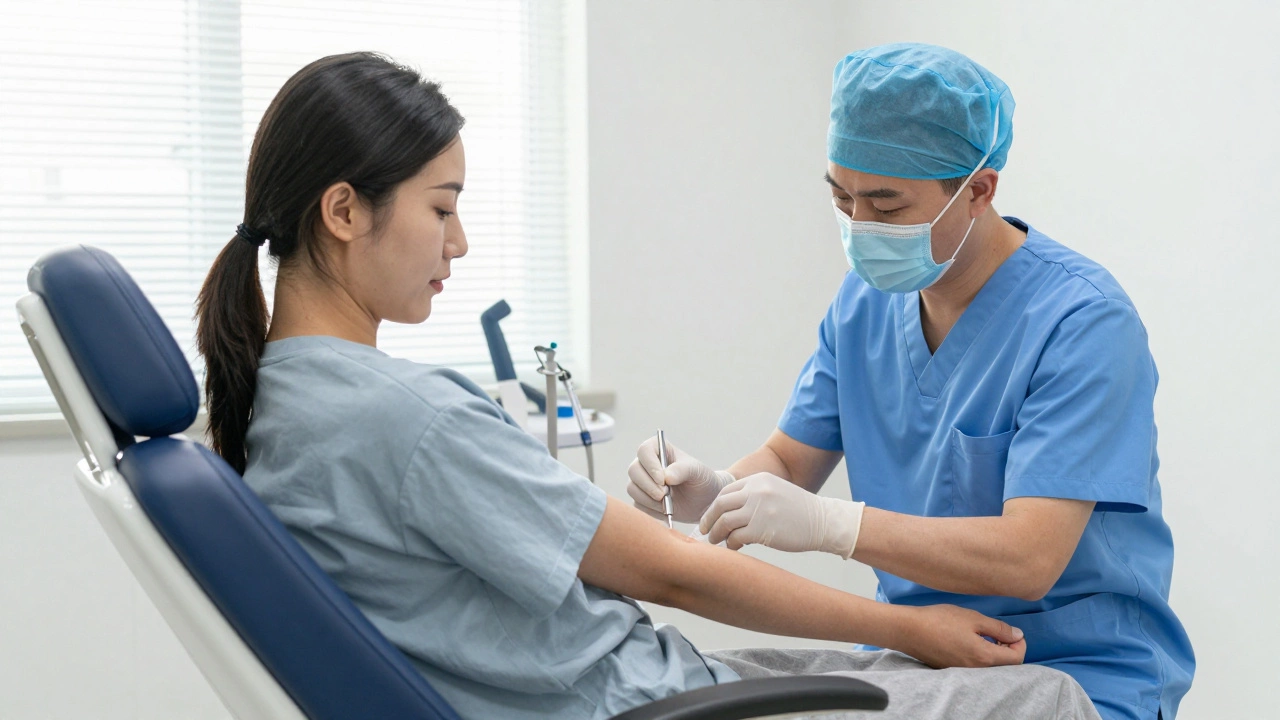
Surgery Safety Calculator
Calculate Your Procedure Risk
Your Estimated Risk
When people ask what the safest surgery ever is, they’re not just curious-they’re scared. Maybe they’re considering a procedure, or they’ve heard horror stories. They want to know: is there a surgery so safe it’s almost risk-free? The answer isn’t a single name. It’s a mix of procedure type, patient health, and where it’s done. But yes, some surgeries are so routine and low-risk that complications are rare-so rare, in fact, that many patients walk out the same day with no more than a Band-Aid.
There’s no such thing as zero risk
No surgery is 100% safe. Even stitching a cut carries a tiny chance of infection. But risk isn’t the same as danger. Some procedures have risks so low, they’re measured in fractions of a percent. The safest surgeries aren’t the most complex-they’re the simplest, most predictable ones. They’ve been refined over decades. Surgeons do them hundreds of times a year. Anesthesia is minimal. Recovery is quick. And complications? They’re outliers, not norms.The top candidates for safest surgery
Among all procedures, a few stand out for their safety record. These aren’t just popular-they’re proven.- Simple skin lesion removal (like moles or warts): Done under local anesthetic in a clinic. Infection rate: less than 1%. Recovery: 1-2 days. This is often the go-to for people worried about surgery. No hospital stay. No IV. Just a numbing shot and a few stitches.
- Minor eyelid surgery (blepharoplasty): Removes excess skin or fat from the eyelids. Done under local or light sedation. Complication rate: under 2%. Most people return to normal activities in a week. Swelling fades fast. Vision isn’t affected.
- Tympanostomy tube insertion: Common in kids with ear infections, but also done in adults. A tiny tube is placed in the eardrum to drain fluid. Procedure takes 10 minutes. Recovery: same day. Risk of hearing loss? Nearly zero.
- Endoscopic sinus surgery (for mild cases): Not for severe chronic sinusitis, but for blocked passages. Uses a thin camera and tiny tools. No external cuts. Most patients go home the same day. Bleeding risk? Less than 1%.
- Vasectomy: A minor outpatient procedure for men. Local anesthetic only. No hospital. No overnight stay. Complication rate: 1-2%. Most men resume light activity in 2 days. Long-term side effects? None proven.
These aren’t flashy. They don’t make headlines. But they’re done safely every day, across the world.
Why these surgeries are so safe
It’s not magic. It’s design. These procedures share traits that reduce risk:- Local anesthesia instead of general: No breathing tubes, no intubation risks, no post-op confusion.
- Minimal tissue disruption: No deep cuts. No major organs touched.
- Short duration: Under 30 minutes. Less time under stress = less chance for problems.
- High-volume surgeons: Doctors who do 20+ of these a week know exactly what to expect.
- Outpatient-only: No hospital means no exposure to hospital germs.
Compare that to major surgeries-like open-heart or bowel resection-where risks climb because of longer anesthesia, deeper incisions, and longer recovery. Those aren’t unsafe. They’re just… heavier.
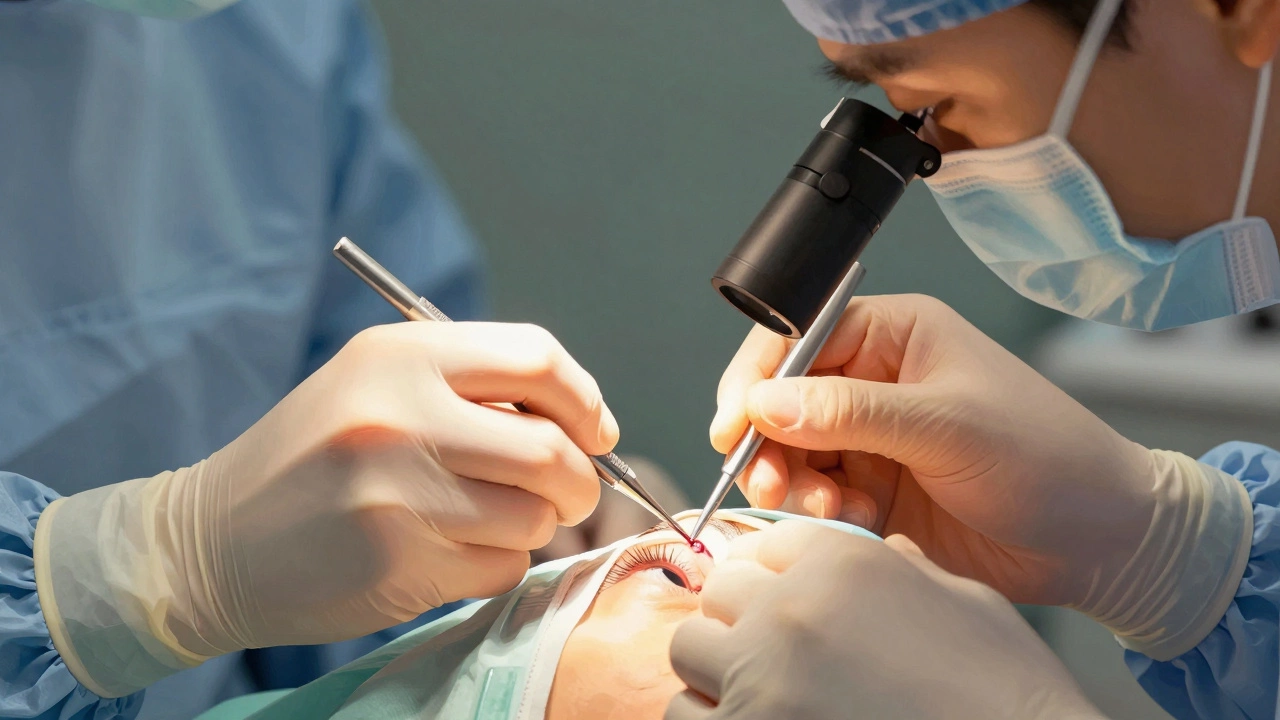
Private surgery cost: What you pay for safety
People often assume private surgery is more expensive because it’s riskier. That’s backwards. In places like New Zealand, Australia, and the UK, private clinics often have lower complication rates than public hospitals for minor procedures. Why? Fewer patients. Cleaner environments. Surgeons who specialize in one thing.Here’s what you might pay for the safest surgeries in a private setting (as of 2025):
| Procedure | Average Cost (NZD) | Typical Recovery Time |
|---|---|---|
| Simple mole removal | $300-$600 | 1-2 days |
| Minor eyelid surgery | $2,500-$4,000 | 7-10 days |
| Vasectomy | $800-$1,500 | 2-3 days |
| Ear tube insertion | $1,800-$3,000 | Same day |
| Endoscopic sinus surgery (mild) | $3,500-$5,500 | 5-7 days |
These prices include the surgeon’s fee, clinic use, anesthesia, and follow-up. No hidden costs. No surprise bills. In public systems, wait times can stretch for months. Private clinics offer speed-and often, better aftercare.
What makes a surgery unsafe? Not the procedure-your choices
The biggest risk isn’t the surgery. It’s the person doing it. Or where you do it.- Choosing a non-specialist: A GP who does “a few” cosmetic procedures isn’t the same as a board-certified plastic surgeon who does 50 eyelid surgeries a year.
- Skipping pre-op screening: High blood pressure? Undiagnosed diabetes? These don’t make surgery dangerous-they make it unpredictable. Screening catches this.
- Going overseas for cheap deals: A $500 nose job in Thailand sounds great-until you get an infection no one can treat back home. Follow-up care? Non-existent.
- Ignoring aftercare: Skipping dressings, not resting, smoking after surgery? That’s not bad luck. That’s avoidable risk.
One patient I know paid $1,200 for a mole removal in Auckland. The clinic sent her a text every day for a week asking how she was doing. She got a call if she didn’t reply. That’s the difference between a transaction and care.

Who shouldn’t get even the safest surgery?
Even the safest procedure isn’t for everyone. You might be a poor candidate if:- You’re on blood thinners and haven’t cleared it with your doctor
- You have uncontrolled diabetes or heart disease
- You smoke heavily (nicotine slows healing)
- You’re under 18 without parental consent and psychological evaluation
- You’re expecting perfection, not improvement
Safety isn’t just about the knife. It’s about the person holding it-and the person lying on the table.
How to pick the right surgeon for a low-risk procedure
You don’t need a celebrity surgeon. You need someone reliable.- Check their board certification-not just a license. In New Zealand, look for FRACS (Fellow of the Royal Australasian College of Surgeons).
- Ask how many of this exact procedure they’ve done in the last year. If they say “a few,” walk away.
- Request before-and-after photos of real patients-not stock images.
- Ask about their complication rate. A good surgeon will tell you. A bad one will dodge.
- Visit the clinic. Is it clean? Do they explain risks clearly? Do they answer questions without rushing you?
Don’t pick based on price. Pick based on confidence.
Bottom line: The safest surgery is the one you don’t need
But if you do need one? Choose wisely. The safest surgeries aren’t the most expensive. They’re the most routine. They’re done by experts who’ve seen it all. They’re done in places that care more about outcomes than volume.There’s no magic procedure. But there are safe paths. And if you pick the right one, you won’t just survive surgery-you’ll forget you had it.
What is the safest surgery ever?
There’s no single "safest surgery ever," but procedures like simple mole removal, minor eyelid surgery, vasectomy, and ear tube insertion have complication rates below 2%. These are done under local anesthesia, take under 30 minutes, and require no hospital stay. Their safety comes from decades of refinement, high surgeon volume, and minimal tissue disruption.
Is cosmetic surgery safe?
Yes, when it’s minor and done by a qualified specialist. Procedures like eyelid lifts, liposuction of small areas, and skin resurfacing are among the safest cosmetic surgeries. The key is avoiding high-risk combinations-like doing multiple major procedures at once. Stick to one area, one time, and choose a surgeon who specializes in that exact procedure.
How much does private surgery cost in New Zealand?
Costs vary by procedure. Simple mole removal ranges from $300-$600. Minor eyelid surgery is $2,500-$4,000. Vasectomy is $800-$1,500. These prices typically include surgeon, clinic, anesthesia, and follow-up. Private clinics often have lower complication rates than public hospitals because they focus on fewer, more predictable procedures.
Can I get surgery abroad for cheaper?
You can, but it’s risky. Many overseas clinics offer low prices by cutting corners: using unlicensed staff, skipping pre-op tests, or not providing aftercare. If something goes wrong, you’re stuck with a complication and no local support. For minor procedures, the savings aren’t worth the risk. For major ones, it’s dangerous.
What’s the biggest mistake people make before surgery?
Skipping pre-op screening. Many assume if they feel fine, they’re fine. But undiagnosed high blood pressure, diabetes, or clotting disorders can turn a safe surgery risky. A good clinic will require basic blood tests and a medical review. Don’t skip it-even if it adds $200 to the cost.