
When people ask about the most natural looking facelift, they’re not just looking for tighter skin. They want to look like themselves-just more rested, more alert, like they got a great night’s sleep for the last ten years. The truth? The most natural facelift isn’t about pulling skin tighter until it shines. It’s about restoring volume, repositioning tissue, and blending changes so no one notices you had work done-only that you look better.
What Makes a Facelift Look Natural?
A natural facelift doesn’t scream "I had surgery." It doesn’t freeze your expression, pull your ears sideways, or make your neck look like a drum. It’s quiet. It’s subtle. It works with your anatomy, not against it.
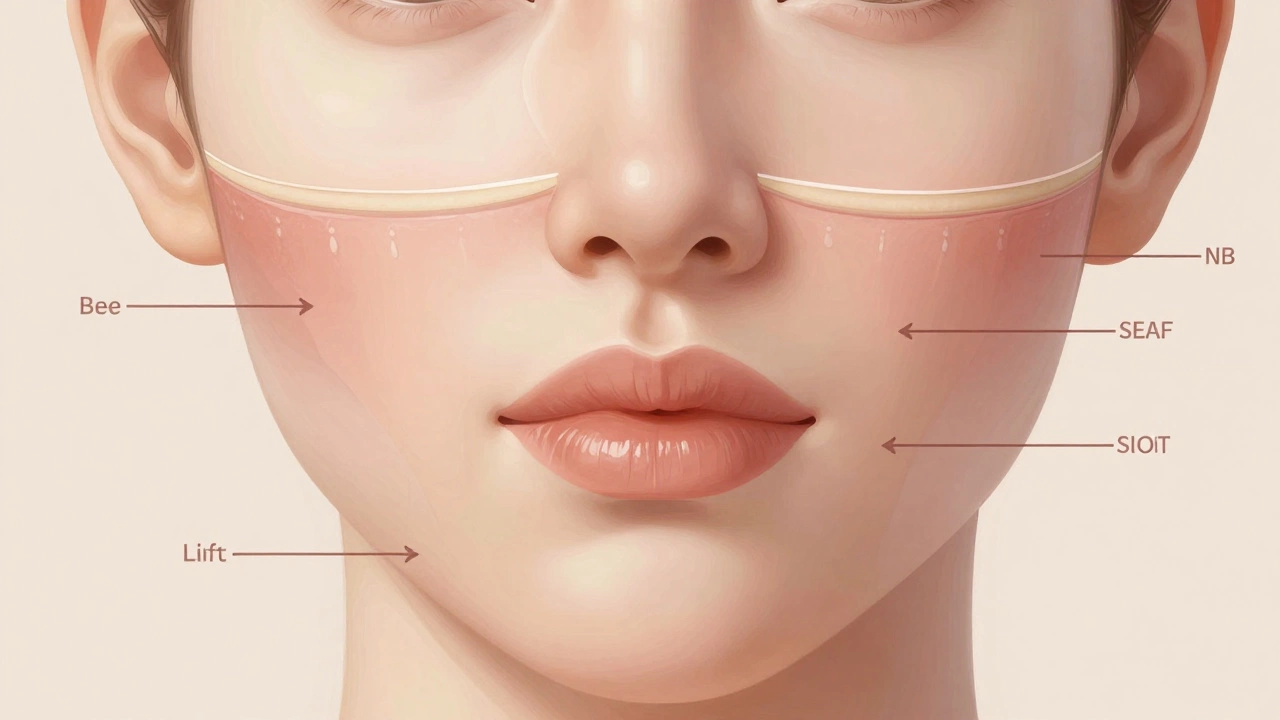
Think of it this way: your face ages in three layers. The skin gets thinner. The fat pads underneath shift and deflate. And the muscles and connective tissues that once held everything in place start to loosen. A traditional facelift might only tug on the skin, leaving the deeper layers untouched. That’s why some results look stretched or unnatural. The modern approach treats all three layers.
Surgeons in the UK who specialize in natural-looking results now focus on SMAS lifting-a technique that lifts the deeper facial layer (the superficial musculoaponeurotic system) instead of just the skin. This gives long-lasting support without tension on the surface. The skin is redraped gently over the newly lifted foundation. No yanking. No pulling. Just repositioning.
The Difference Between Surgical and Non-Surgical
There’s a lot of buzz around "non-surgical facelifts"-thread lifts, radiofrequency, fillers. Some of these can help, but they don’t replace a surgical facelift if you have significant sagging. A thread lift might give a slight lift to the jawline, but it won’t fix deep nasolabial folds or loose neck skin. Fillers add volume, but they can’t reposition tissue that’s slipped down over time.
Real, lasting results come from surgery. But here’s the key: the best surgeons don’t do the same facelift on everyone. They tailor it. For someone in their early 50s with mild jowling, a mini-facelift targeting the lower third of the face might be enough. For someone in their 60s with volume loss and neck laxity, a full facelift combined with fat grafting is often the answer.
How Fat Grafting Makes the Difference
One of the biggest mistakes in older facelift techniques was removing too much fat. That’s why some people looked gaunt after surgery. Today, the most natural results come from fat grafting-taking fat from the abdomen or thighs, cleaning it, and carefully injecting it into areas that lost volume: the cheeks, temples, under the eyes, and around the mouth.
This isn’t just about plumping. It’s about rebuilding the face’s original architecture. When you restore the fullness in the midface, the jowls don’t look as prominent. The skin doesn’t sag because the foundation underneath is solid again. Patients often say, "I look like I got a lot of sleep," not "I look like I had surgery."
Studies from the British Association of Aesthetic Plastic Surgeons show that combining fat grafting with SMAS lifting reduces the chance of an artificial appearance by 68% compared to skin-only lifts. The results also last longer-often 10 to 15 years-because you’re not just hiding aging, you’re reversing its structural causes.
What the Recovery Really Looks Like
People worry about looking bruised and swollen for weeks. Modern techniques have changed that. Most patients go out in public within 10 to 14 days. Swelling peaks around day three, then drops fast. Bruising is usually gone by day seven. Surgeons use tiny incisions hidden along the hairline and in front of the ear. The scars fade into natural skin creases.
One patient, a 58-year-old teacher from Bristol, told her students she’d been on a wellness retreat. They thought she’d lost weight. No one guessed she’d had surgery. That’s the goal: not invisibility, but authenticity.
Choosing the Right Surgeon in the UK
Not all facelifts are created equal. Look for a surgeon who:
- Is on the GMC Specialist Register for Plastic Surgery
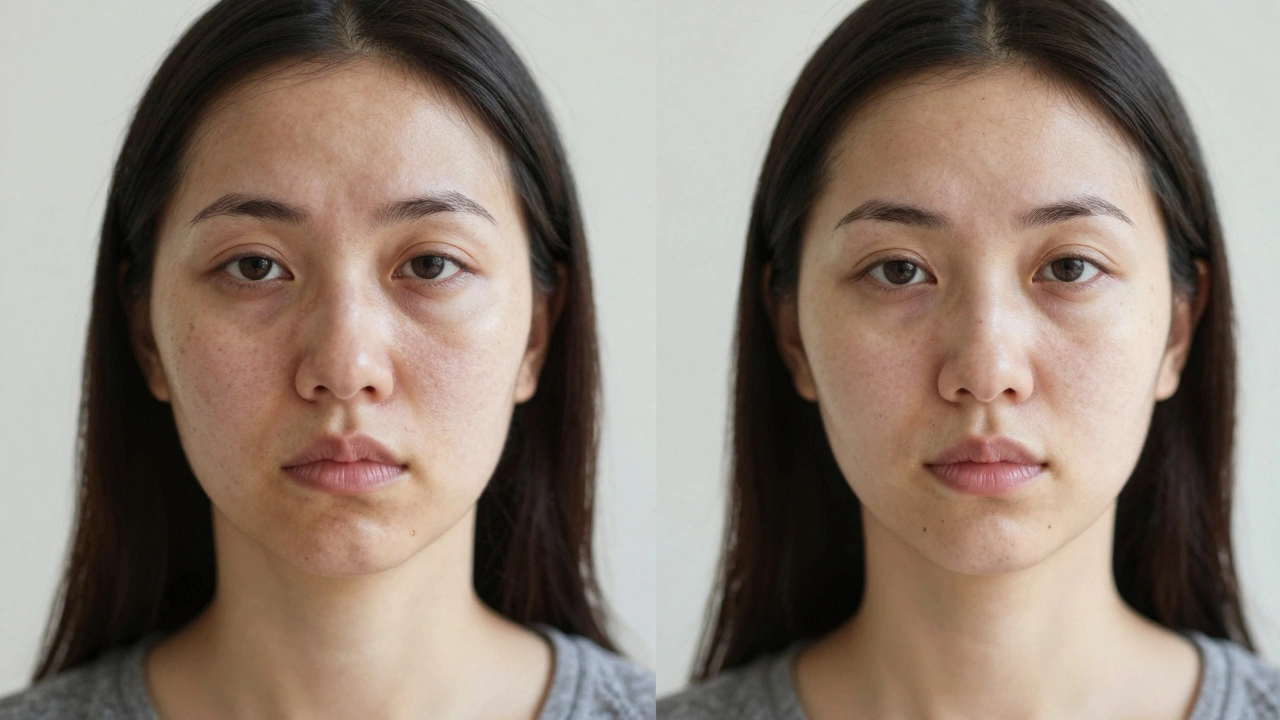
- Has before-and-after photos of patients with similar facial structure to yours
- Talks about fat grafting and SMAS lifting, not just "skin tightening"
- Shows you how they’ll address your specific concerns-not a one-size-fits-all plan
- Doesn’t promise "no downtime" or "miracle results"-those are red flags
Ask to see 5 to 10 cases of patients over 55. If all the results look like they’re from the same mold, keep looking. Natural means individual.
What Doesn’t Work
Some treatments marketed as "facelift alternatives" fall short:
- Thread lifts: Temporary lift, high risk of visible threads or asymmetry. Not for significant sagging.
- Ultherapy: Mild tightening, best for early signs of aging. Won’t fix jowls.
- Fillers alone: Can mask volume loss but won’t lift sagging tissue. Overuse can create a puffy, unnatural look.
- At-home devices: No device can replicate surgical repositioning of deep facial structures.
These might help as maintenance, but they’re not substitutes for a well-performed surgical facelift when you need real structural change.
Realistic Expectations
A natural facelift doesn’t make you 25 again. It makes you look like the best version of yourself at 55, 60, or 65. Your face should still move naturally when you smile, laugh, or frown. You shouldn’t look like a different person. You should look like you, but refreshed.
Most patients report a boost in confidence-not because they look dramatically different, but because they feel more like themselves again. The eyes look brighter. The jawline is defined. The neck is smooth. No one notices the surgery. They notice the energy.
Cost and Timing
In the UK, a full surgical facelift with fat grafting typically costs between £8,000 and £15,000. Price varies by surgeon, location, and complexity. Mini-facelifts start around £5,000. Always get a detailed quote that includes anesthesia, facility fees, and follow-ups.
Most people plan their surgery for spring or autumn. Winter is too cold for healing, summer means too much sun exposure. Recovery takes about two weeks before returning to light activity. Full healing takes 6 to 12 months, but you’ll see dramatic improvement by week three.
Final Thought
The most natural looking facelift isn’t about how much you change. It’s about how little you need to change to feel like yourself again. The best results are the ones people don’t notice-because you don’t look like you had surgery. You look like you finally got the rest you deserved.