High-End Beauty Service Cost Calculator
Have you ever walked into a luxury spa and seen a price tag that made you question your life choices? Maybe it was $500 for a facial or $2,000 for a massage. It’s easy to assume that the most expensive beauty service is some obscure, celebrity-only ritual involving gold leaf and rare orchids. But the reality is more complex-and often more invasive.
When we talk about the "most expensive" beauty service, we have to draw a line between traditional salon services and medical aesthetics. If we stick to non-surgical treatments performed in salons and med-spas, the prices can still climb into the thousands. However, if we include surgical procedures, the sky is the limit. This article breaks down the true cost of extreme beauty, from the priciest injectables to the most luxurious spa experiences, so you know exactly where your money goes.
The Medical Aesthetic Ceiling: Surgery vs. Non-Surgical
To understand what holds the title of the most expensive beauty service, we need to separate Cosmetic Surgery is surgical procedures designed to enhance appearance rather than restore function. from non-surgical treatments. Surgical options like full body lifts, rhinoplasty, or breast augmentation can easily range from $10,000 to over $50,000 depending on the surgeon’s reputation and geographic location. These are one-time investments with significant recovery times.
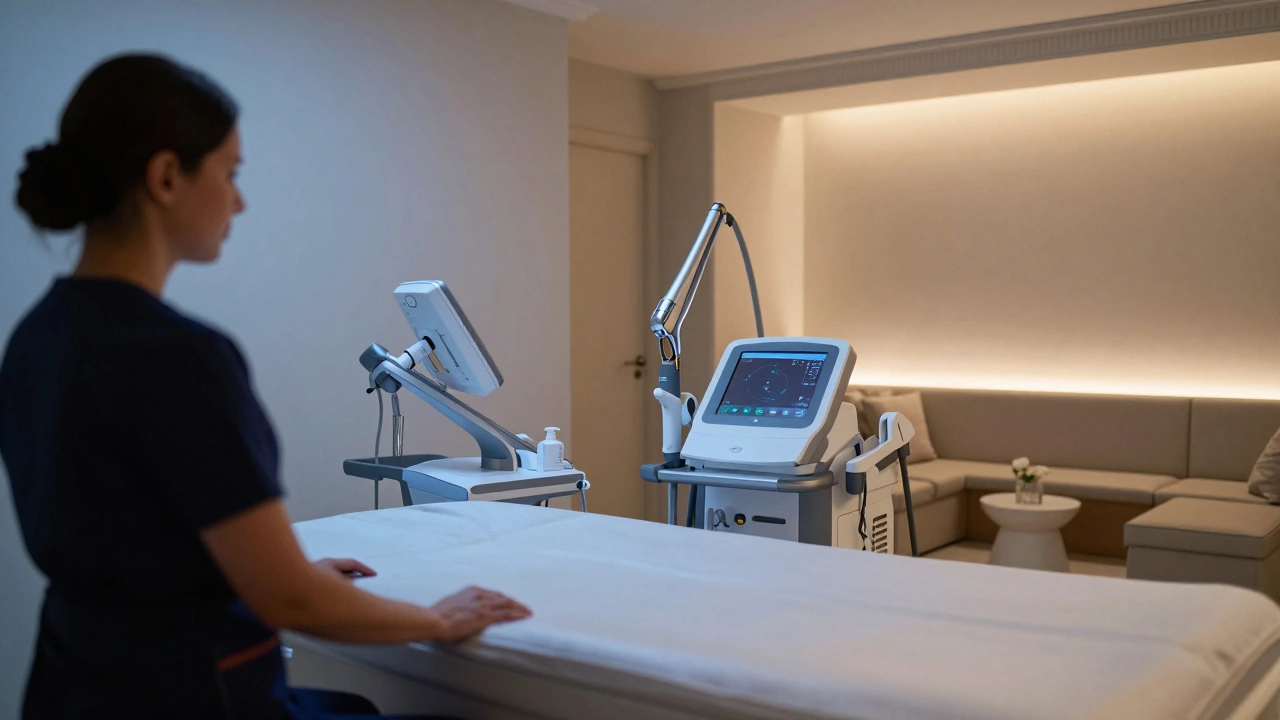
However, many people seeking "beauty services" are looking for maintenance rather than reconstruction. In this realm, Medical Aesthetics is non-invasive treatments such as injectables, lasers, and energy-based devices used for rejuvenation. reigns supreme. The most expensive non-surgical services are rarely single-session treatments. Instead, they are comprehensive protocols involving multiple technologies, custom-compounded products, and extended time with a provider.
For instance, a full-face refresh using high-definition ultrasound (like Ultherapy), radiofrequency microneedling, and a series of premium dermal fillers can exceed $10,000 in a single visit. While not technically "surgery," these procedures require medical expertise and carry risks similar to minor surgeries. The cost reflects the technology, the provider’s skill, and the longevity of results, which can last up to two years.
The Priciest Salon Services: Beyond the Basic Facial
If we exclude medical procedures and focus strictly on Luxury Spa Treatments are high-end wellness and beauty services offered at premium establishments, focusing on relaxation and superficial skin improvement., the landscape changes dramatically. You won’t find a simple haircut here. The most expensive salon services are immersive experiences that combine skincare, aromatherapy, and exclusive access.
- The Diamond Facial: Often priced between $1,000 and $3,000, this treatment uses diamond-tipped microdermabrasion heads and serums infused with actual diamond dust. The claim is that diamonds conduct heat and electricity better than other minerals, enhancing serum absorption. While scientifically debatable, the exclusivity drives the price.
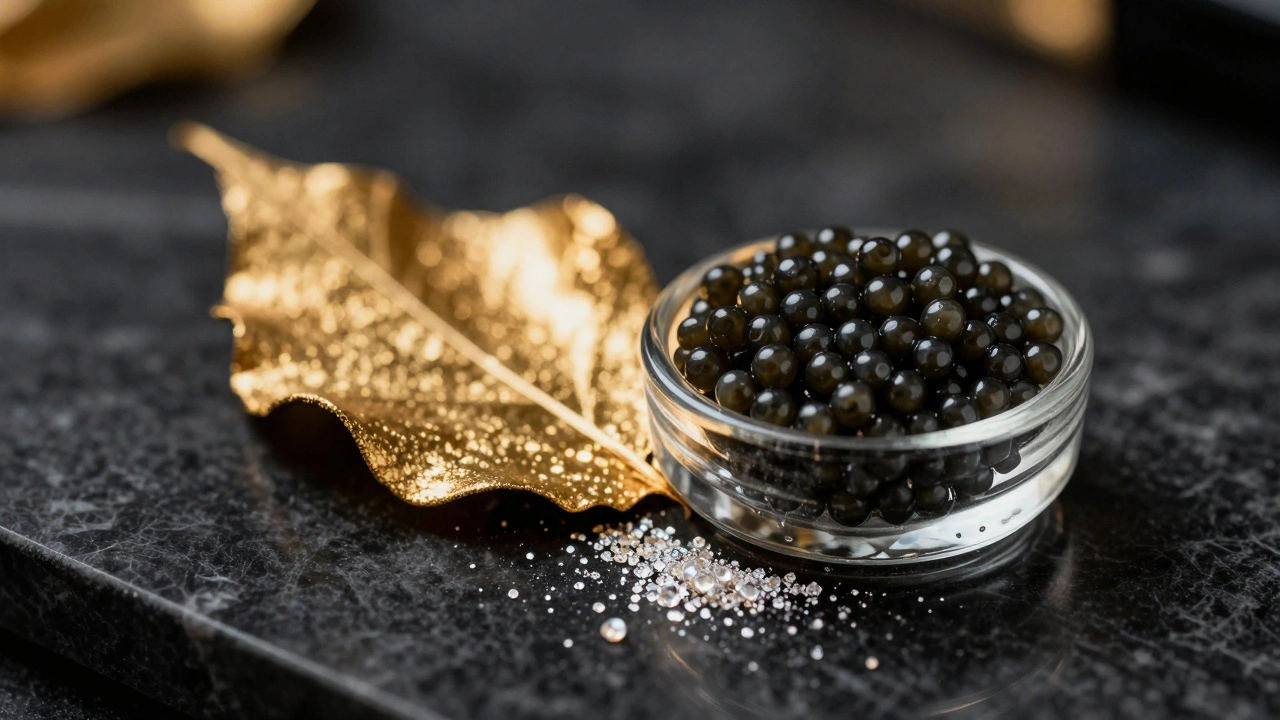
- Caviar Facials: Using Beluga caviar extract, these facials cost upwards of $2,500. Caviar is rich in proteins, vitamins, and omega-3 fatty acids, which are believed to hydrate and plump the skin. The cost is largely driven by the scarcity of the ingredient itself.
- Gold Leaf Wraps: Full-body wraps using 24-karat gold leaf can cost $3,000 to $5,000. Proponents argue that gold has anti-inflammatory properties and improves circulation. Critics point out that the primary benefit is the psychological boost of feeling "golden."
In Auckland, New Zealand, local spas might offer variations of these treatments, but the global standard for luxury pricing is set by destinations like Dubai, Tokyo, and Paris. The key takeaway is that you are paying for the rarity of ingredients and the ambiance, not necessarily a transformative change in your skin’s structure.
Injectables: The Recurring Cost of Perfection
One of the most misunderstood aspects of beauty costs is the recurring nature of injectables. A single session of Botox might seem affordable at $600, but when you factor in annual touch-ups and combination therapies, the lifetime cost rivals cosmetic surgery.
| Treatment Type | Average Cost (USD) | Longevity | Primary Benefit |
|---|---|---|---|
| Botox/Dysport | $400 - $800 per area | 3-4 months | Reduces dynamic wrinkles |
| Dermal Fillers (Hyaluronic Acid) | $600 - $1,200 per syringe | 6-18 months | Restores volume and contour |
| PRP (Platelet-Rich Plasma) Facial | $1,000 - $2,000 per session | 12-18 months (with series) | Stimulates collagen production |
| Chemical Peels (Deep) | $500 - $1,500 | Years | Exfoliates deep layers, reduces pigmentation |
Notice the entry for PRP, often called the "Vampire Facial." This involves drawing your own blood, processing it to concentrate platelets, and injecting or microneedling it back into your face. It’s expensive because it’s personalized and labor-intensive. Unlike off-the-shelf serums, PRP uses your body’s natural healing factors. For those seeking the most effective non-surgical option without synthetic fillers, this is often the top choice, despite the high price tag.
Why Are Some Services So Expensive?
You might wonder why a facial costs $50 in one place and $5,000 in another. Several factors drive these disparities:
- Ingredient Scarcity: Ingredients like caviar, gold, and rare botanicals are costly to source and preserve. Their supply chains are fragile, leading to higher retail prices.
- Technology Investment: Devices like laser systems and ultrasound machines cost clinics tens of thousands of dollars to purchase and maintain. These costs are passed on to the consumer.
- Provider Expertise: A board-certified dermatologist or plastic surgeon charges significantly more than an aesthetician. Their training takes years, and their liability insurance is higher. When you pay for injectables, you are paying for their hands and judgment.
- Location and Ambiance: A spa in the heart of Manhattan or Central Auckland will charge more due to rent and overhead. The experience-quiet rooms, premium towels, complimentary champagne-is part of the product.
It’s also worth noting that marketing plays a huge role. Brands create narratives around "exclusivity" and "celebrity secrets" to justify premium pricing. As consumers, it’s crucial to distinguish between value and hype.

Hidden Costs and Risks of Luxury Beauty
Before booking the most expensive service available, consider the hidden costs. Many luxury treatments require maintenance. A $3,000 gold wrap won’t keep your skin glowing forever; you’ll need ongoing care to sustain any benefits. Additionally, there’s a risk of complications. Even non-surgical procedures can cause bruising, infection, or uneven results if performed by unqualified practitioners.
In New Zealand, for example, regulations around who can perform certain aesthetic treatments vary. Always verify credentials. A cheap botch job can end up costing more to fix than the original procedure. Look for providers registered with recognized medical boards or aesthetic associations.
Another hidden cost is emotional. The pressure to maintain a "perfect" look can lead to anxiety and financial strain. Beauty should enhance confidence, not diminish it. Set realistic expectations before investing in high-end services.
Alternatives: Getting Results Without Breaking the Bank
You don’t need to spend thousands to achieve healthy, radiant skin. Here are some cost-effective alternatives that deliver real results:
- At-Home Retinoids: Prescription-strength retinol creams can reduce wrinkles and improve texture over time for a fraction of the cost of professional peels.
- Sunscreen: The number one anti-aging tool. Daily use prevents UV damage, which causes up to 90% of visible aging signs.
- Consistent Skincare Routine: Cleansing, moisturizing, and using antioxidants like Vitamin C daily yields better long-term results than occasional luxury treatments.
- Professional Consultations: Instead of buying a package, book a single consultation with a dermatologist. They can recommend targeted treatments based on your specific concerns, avoiding unnecessary spending.
Investing in quality basics often outperforms splurging on trends. Your skin barrier needs hydration and protection, not necessarily gold dust.
What is the single most expensive beauty service in the world?
The title often goes to extensive cosmetic surgery packages, such as a full body lift combined with facial rejuvenation, which can exceed $50,000. Among non-surgical services, comprehensive medical aesthetic protocols involving multiple advanced technologies like laser resurfacing and custom injectables can reach $10,000-$15,000 per session.
Are expensive facials actually better than cheap ones?
Not necessarily. While expensive facials may use higher-quality ingredients and provide a more relaxing experience, the core benefits of cleansing and exfoliation can be achieved with mid-range treatments. The premium price often pays for branding, location, and exotic ingredients like caviar or gold, which have limited scientific backing for superior efficacy compared to proven actives like retinol or hyaluronic acid.
Is Botox considered the most expensive beauty service?
No, Botox is relatively affordable per unit. However, its recurring nature means the lifetime cost can add up. Compared to surgical options or intensive medical aesthetic protocols, Botox is considered a moderate-cost maintenance treatment rather than the most expensive service available.
Where can I find luxury beauty services in Auckland?
Auckland offers several high-end spas and medical aesthetic clinics in areas like Ponsonby, Parnell, and Viaduct Harbour. Look for clinics affiliated with reputable hospitals or those staffed by board-certified dermatologists for the highest standard of care and safety.
Do gold leaf treatments really work?
Scientific evidence supporting the topical benefits of gold leaf is minimal. While gold has anti-inflammatory properties in nanoparticle form, the large flakes used in luxury wraps do not penetrate the skin deeply enough to provide significant therapeutic effects. The primary benefits are likely psychological and related to the luxurious experience rather than physiological changes.