Cosmetic Surgery Complexity Guide
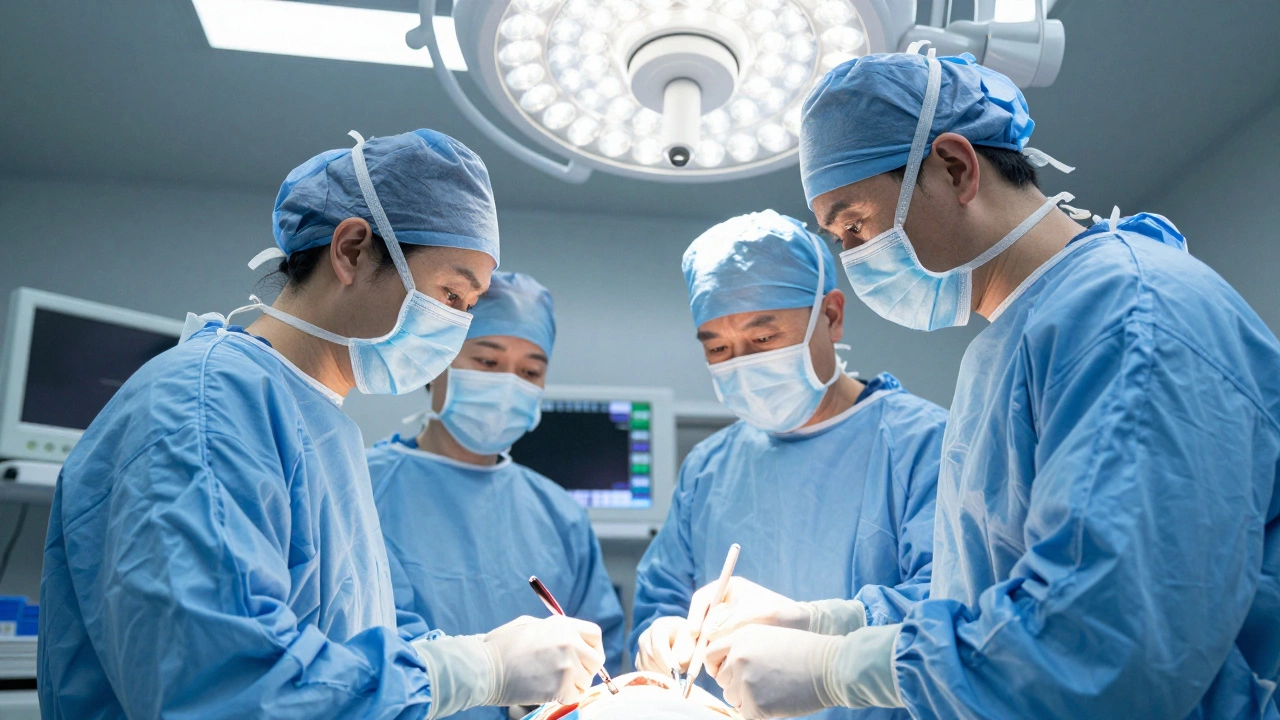
There is a common misconception that cosmetic surgery is just about quick fixes and minimal downtime. You might see ads for lip fillers or brow lifts that promise results with no recovery. But behind those simple procedures lies a world of highly complex, physically demanding surgeries that push the human body-and the surgeon-to its absolute limits. When people ask what the hardest cosmetic surgery is, they aren't usually talking about a nose job. They are asking about the procedures that require multiple teams of surgeons, hours in the operating room, and weeks of intense recovery.
In the United Kingdom, where regulatory standards for private healthcare are strict, identifying these high-complexity procedures is crucial for anyone considering significant aesthetic changes. The "hardest" surgery isn't defined by a single metric. It depends on whether you measure difficulty by technical precision, physical endurance, or the risk of complications. Generally, major body contouring and extensive facial reconstructions top the list. These aren't weekend projects; they are major medical events.
Why Some Surgeries Are Considered "Harder"
To understand which surgery is the hardest, we first need to define what makes a procedure difficult. In the context of Cosmetic Surgery, a field involving surgical techniques to improve appearance, ranging from minor injectables to major reconstructive operations, complexity arises from several factors. First is the duration. Surgeries lasting six to twelve hours require immense stamina from both the patient and the surgical team. Second is the anatomical risk. Operating near vital blood vessels, nerves, or organs increases the stakes significantly. Third is the recovery trajectory. Some procedures leave patients bedridden for days, requiring careful management of pain, swelling, and potential infections.
Another critical factor is the margin for error. In a rhinoplasty, a millimeter difference can change the entire look of your face. In a tummy tuck, improper tension can lead to wound dehiscence (separation). Therefore, when evaluating the "hardest" surgeries, we look at procedures that combine long operative times, high anatomical risk, and rigorous post-operative care requirements.
The Heavyweight: Body Lift and Lower Body Lift
If you had to pick one procedure that consistently ranks as the most physically demanding for both surgeon and patient, it is the Body Lift, a comprehensive surgical procedure often performed after massive weight loss to remove excess skin and fat from the abdomen, thighs, buttocks, and arms. This is not a standard tummy tuck. A full body lift addresses the entire lower torso and sometimes the upper body. It is typically sought by individuals who have lost more than 100 pounds through bariatric surgery or lifestyle changes.
The surgery involves removing large amounts of loose skin and fat. Surgeons must carefully reposition tissue to create a natural contour while ensuring blood supply remains intact to the healing flaps. The operation can take anywhere from eight to twelve hours. Patients are often positioned prone (on their stomachs) for part of the procedure, which requires specialized padding and monitoring to prevent pressure sores and nerve damage. Post-operatively, patients cannot bend at the waist for weeks. Simple tasks like getting out of bed or using the bathroom become major challenges. The risk of seroma (fluid accumulation) and infection is higher here than in almost any other elective cosmetic procedure.
Facial Complexity: The Extended Facelift and Neck Lift
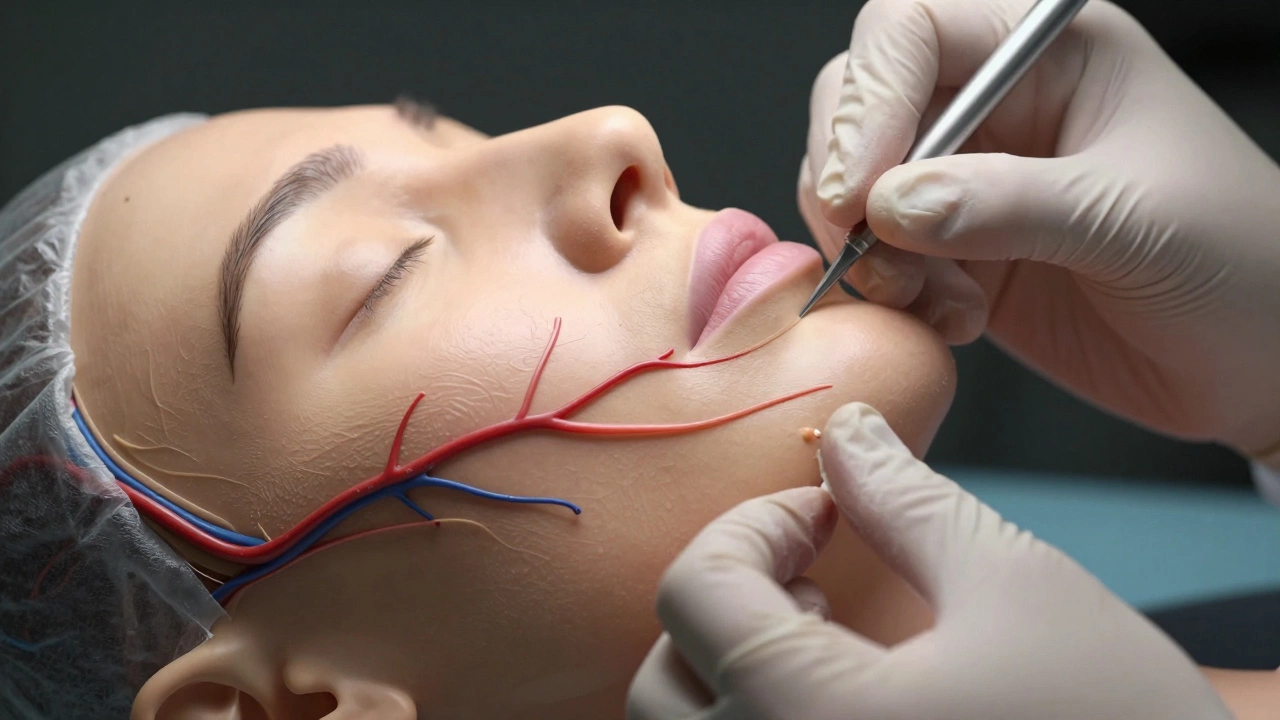
While body lifts are physically exhausting, facial surgeries demand extreme precision. The face is a map of delicate nerves and blood vessels. An Extended Facelift, a surgical procedure that tightens underlying muscles and removes excess skin to rejuvenate the face and neck, offering longer-lasting results than a mini-lift combined with a neck lift is considered one of the most technically challenging facial procedures. Unlike a "mini-lift" that uses small incisions behind the ears, an extended facelift may involve incisions going around the ear and into the hairline.
The surgeon must dissect layers of tissue without damaging the facial nerve, which controls your ability to smile, close your eyes, and raise your eyebrows. Temporary numbness is common, but permanent nerve damage, though rare, is a serious risk. The aesthetic outcome relies heavily on the surgeon's artistic eye. Pulling too tight creates a "windblown" look; pulling too little yields minimal improvement. Balancing structural support with natural appearance is why this procedure is reserved for experienced plastic surgeons. Recovery involves significant swelling and bruising, with final results taking up to a year to fully settle.
Brazilian Butt Lift (BBL): The High-Risk Contender
In recent years, the Brazilian Butt Lift, a procedure that transfers fat from areas like the abdomen or back to the buttocks to enhance shape and volume has gained popularity, but it is widely regarded by medical professionals as one of the most dangerous cosmetic surgeries available. The "difficulty" here isn't just about skill; it's about safety. The procedure involves liposuction to harvest fat and then injecting that fat into the gluteal muscles.
The danger lies in the injection phase. If fat is injected too deep into the muscle, it can enter the superior gluteal veins, leading to a fatal pulmonary embolism (blood clot traveling to the lungs). To mitigate this, surgeons must use blunt cannulas and inject only into the subcutaneous layer (above the muscle). This requires meticulous technique and constant vigilance. Many countries, including parts of Europe and increasingly regulated clinics in the UK, have issued warnings or guidelines regarding BBL safety. For the patient, the recovery is painful because you cannot sit directly on your buttocks for several weeks, often requiring special donut pillows or lying on your sides and stomach.
Mommy Makeover: The Cumulative Challenge
A Mommy Makeover, a customized combination of cosmetic procedures, typically including breast augmentation, breast lift, and tummy tuck, designed to restore a woman's body after childbirth is not a single surgery but a combination of two or three major procedures performed in one session. The most common combination is a breast augmentation (or lift) and a abdominoplasty (tummy tuck). Sometimes a liposuction of the thighs or arms is added.
The challenge here is cumulative stress on the body. Each individual procedure-breast augmentation and tummy tuck-is moderately complex. Performing them together doubles the anesthesia time and the physiological shock. Surgeons must carefully plan the order of operations to minimize bleeding and ensure stability. For example, if a patient is having a tummy tuck, the positioning affects how the breasts are operated on. Recovery is intense because you are healing from chest trauma and abdominal tightening simultaneously. Breathing deeply can hurt your abs, and moving your arms can hurt your chest. It requires a robust support system at home for the first few weeks.
| Procedure | Average Duration | Primary Risk | Recovery Time (Initial) | Skill Requirement |
|---|---|---|---|---|
| Body Lift | 8-12 hours | Wound separation, infection | 4-6 weeks | High (Endurance & Precision) |
| Extended Facelift | 4-6 hours | Nerve damage, asymmetry | 2-3 weeks | Very High (Precision) |
| Brazilian Butt Lift | 3-5 hours | Pulmonary embolism, fat necrosis | 3-4 weeks | High (Safety Protocol) |
| Mommy Makeover | 5-8 hours | Anesthesia risk, multi-site healing | 4-6 weeks | High (Coordination) |

Choosing the Right Surgeon in the UK
Given the complexity of these procedures, choosing the right surgeon is the most important decision you will make. In the UK, you should look for surgeons registered with the General Medical Council (GMC) and members of recognized bodies such as the British Association of Aesthetic Plastic Surgeons (BAAPS) or the Royal College of Surgeons. Do not be tempted by cheaper options in unregulated clinics. Complex surgeries require hospital-grade facilities with intensive care capabilities nearby.
Ask specific questions during your consultation. How many of these specific complex procedures have they performed? Can they show you before-and-after photos of patients with similar body types? What is their complication rate? A good surgeon will tell you if you are *not* a candidate for a certain procedure. They should discuss risks openly, not just benefits. Remember, the goal is safety first, aesthetics second.
Preparing for the Hardest Surgeries
If you are considering one of these high-difficulty procedures, preparation is key. Quit smoking at least six to eight weeks before surgery, as nicotine constricts blood vessels and severely impairs healing. Optimize your nutrition by eating a protein-rich diet to support tissue repair. Arrange for help at home; you will not be able to drive, cook, or clean for at least two weeks. Mental preparation is also vital. Understand that the immediate post-op period can be shocking, with significant swelling and bruising. Patience is required to see the final result.
Alternatives to Major Surgery
Not everyone needs or wants to undergo the hardest cosmetic surgeries. Non-surgical alternatives exist, though they offer less dramatic results. For body contouring, treatments like CoolSculpting or radiofrequency skin tightening can reduce fat and tighten skin slightly. For facial aging, thread lifts or advanced laser resurfacing can provide modest rejuvenation. However, these methods cannot replicate the transformative effects of surgical removal of excess skin or major structural lifting. Discuss your goals honestly with your doctor to find the right balance between risk and reward.
Is a tummy tuck harder than a facelift?
It depends on how you define "hard." A tummy tuck (abdominoplasty) is physically more taxing due to the large amount of tissue manipulation and the restriction on movement during recovery. You cannot bend or lift anything heavy for weeks. A facelift, however, is technically more precise, requiring delicate work around facial nerves. Both are major surgeries, but the tummy tuck often feels more physically difficult for the patient during recovery.
How much does the hardest cosmetic surgery cost in the UK?
Costs vary widely based on the surgeon's experience and the facility. A full body lift can range from £15,000 to £25,000 or more. A Mommy Makeover typically costs between £10,000 and £18,000. Extended facelifts may range from £8,000 to £15,000. These prices usually include the surgeon's fee, anesthesia, and hospital stay, but always confirm what is included in the quote.
Can I combine a Brazilian Butt Lift with a tummy tuck?
Yes, this is a popular combination known as a "Butt Lift and Tuck." Fat harvested from the abdomen during the tummy tuck can be purified and injected into the buttocks. However, this increases the surgical time and complexity. It requires a highly skilled surgeon to manage the fluid shifts and ensure safe fat transfer. Not all surgeons offer this due to the increased risk profile.
What is the recovery time for a body lift?
Initial recovery takes 4 to 6 weeks, during which you should avoid strenuous activity. You may need to wear compression garments for several months. Full healing and the settling of scars can take up to a year. Most patients return to light desk work after 3 to 4 weeks, but heavy lifting is prohibited for at least 8 weeks.
Are there non-surgical options for excess skin after weight loss?
Non-surgical options like radiofrequency microneedling or ultrasound therapy can tighten mild to moderate skin laxity. However, they cannot remove significant amounts of hanging skin. For massive weight loss patients, surgery is often the only effective solution. Non-surgical treatments are best for maintenance or minor improvements.
How do I know if I am a candidate for a Mommy Makeover?
Ideal candidates are women who have finished having children, are at a stable weight, and are in good general health. Smoking cessation is mandatory. You should have realistic expectations about the outcomes. A consultation with a board-certified plastic surgeon will determine if your anatomy is suitable for the specific combination of procedures you desire.
What are the signs of a complicated recovery?
Signs of complications include fever, excessive redness or warmth around incisions, foul-smelling drainage, sudden increase in pain, shortness of breath, or calf pain (which could indicate a blood clot). If you experience any of these symptoms, contact your surgeon immediately. Early intervention is critical for managing post-surgical issues.