Anti-Aging Compound Advisor
Personalized Anti-Aging Protocol Assistant
Select your age and health profile to receive science-based recommendations for anti-aging compounds.
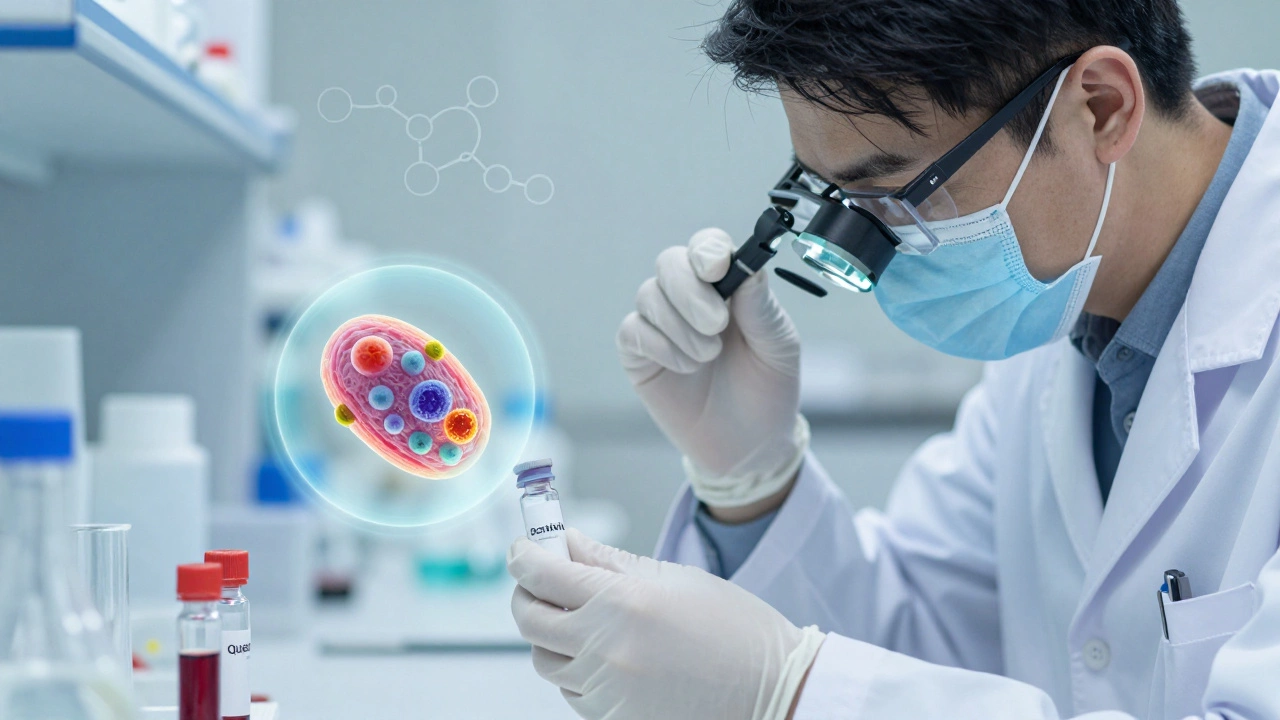
There’s no magic pill that stops time. But if you’re looking for the closest thing to an anti-aging pill that actually works, science is pointing to a handful of compounds backed by real data-not hype. These aren’t cosmetics or supplements promising youthful skin. They’re molecules that target aging at the cellular level, with studies showing they can extend healthspan in animals and show early promise in humans.
The Real Culprits Behind Aging
Aging isn’t just wrinkles or gray hair. It’s the slow breakdown of your cells. Telomeres shorten. Mitochondria get sluggish. Senescent cells-old, damaged cells that refuse to die-pile up and spit out inflammatory chemicals that wreck nearby tissue. This is called inflammaging. And it’s behind most age-related diseases: heart trouble, Alzheimer’s, type 2 diabetes, even osteoporosis.
Forget creams that claim to "turn back the clock." The real anti-aging targets are inside your cells. The most promising candidates today aren’t vitamins. They’re drugs originally developed for other purposes that now show anti-aging effects.
Senolytics: Clearing Out the Cellular Trash
Imagine your body as a house. Over time, old furniture accumulates. It doesn’t work anymore, but no one throws it out. It starts leaking, attracting pests, and making the whole place smell bad. That’s what senescent cells do. They don’t divide. They don’t die. They just hang around, poisoning their neighborhood.
Senolytics are drugs that selectively kill these zombie cells. Dasatinib and quercetin are the most studied combo. In a 2018 trial published in Nature Medicine, older adults with idiopathic pulmonary fibrosis took this combination for three days. After two weeks, their blood showed fewer senescent cells. After six months, they walked farther and had better physical function.
Another senolytic, fisetin, found in strawberries and apples, showed similar results in mice-extending lifespan by 36% in one study. Human trials are underway. The catch? You don’t take these daily. You take them in short bursts, maybe a few days a year. That’s the key. It’s not a pill you swallow every morning. It’s a reset button for your cellular environment.
NAD+ Boosters: Recharging Your Cellular Battery
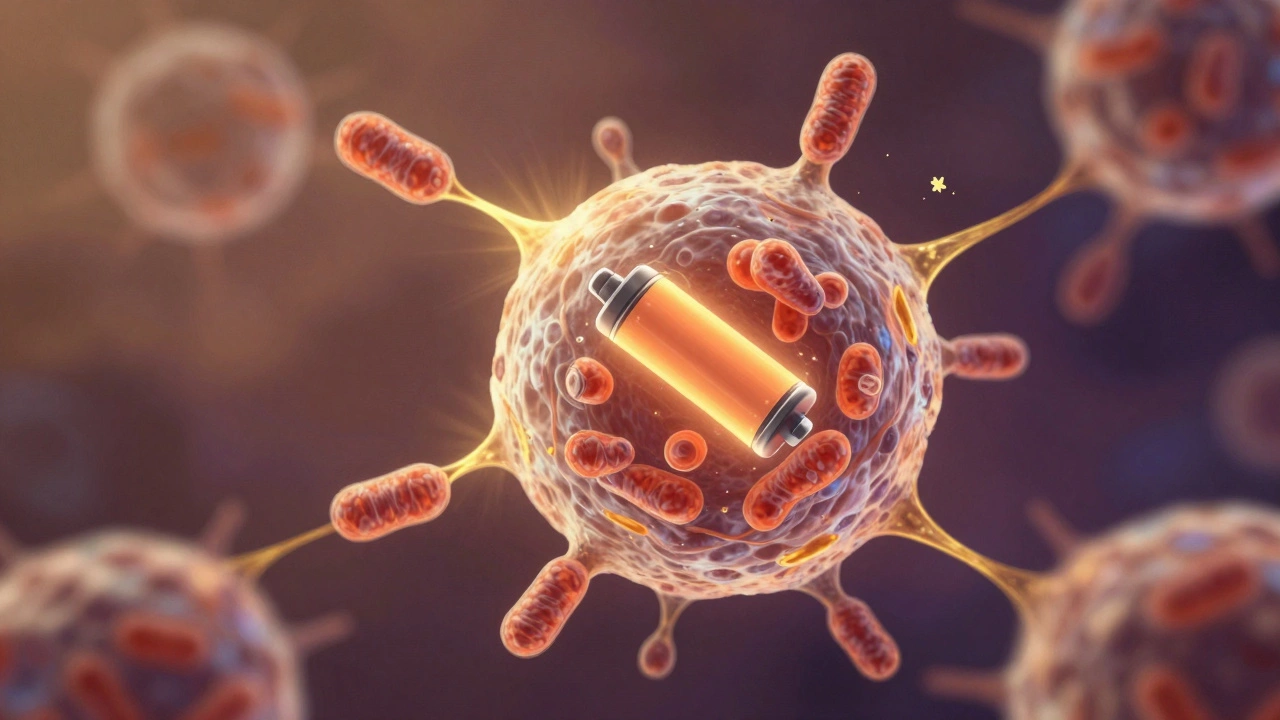
Your cells run on energy. That energy comes from mitochondria. As you age, NAD+-a molecule your body needs to keep mitochondria working-plummets. By age 50, you’ve got about half the NAD+ you had at 20. That’s why you feel tired, recover slower, and struggle with brain fog.
NAD+ boosters like NMN (nicotinamide mononucleotide) and NR (nicotinamide riboside) try to fix that. In a 2022 clinical trial at Washington University, healthy adults over 60 took 250 mg of NR daily for eight weeks. Their muscle NAD+ levels rose by 40%. Their mitochondrial function improved. Blood pressure dropped slightly. Some reported better sleep and energy.
But here’s the catch: NAD+ boosters don’t reverse aging. They help your cells function better. Think of them like a tune-up for an old car. They won’t make it a brand-new model, but they’ll keep it running smoother longer.
Metformin: The Diabetes Drug That Might Slow Aging
Metformin is the most common diabetes drug in the world. But in 2014, a study in the UK found diabetic patients on metformin lived longer than non-diabetic people who weren’t on it. That’s wild. How could a drug for a disease make healthy people live longer?
Metformin activates AMPK, a cellular energy sensor that tells the body to clean up damage and slow down growth when resources are low. That’s the same pathway activated by fasting and exercise. It reduces inflammation. It lowers insulin levels. It may even reduce cancer risk.
The TAME trial (Targeting Aging with Metformin), led by the American Aging Association, is now recruiting thousands of adults 65-79 who don’t have diabetes. If it succeeds, metformin could become the first drug officially approved to delay aging-related diseases. Right now, some doctors prescribe it off-label for longevity. It’s cheap. It’s safe for most people. But it can cause stomach upset. Not everyone tolerates it.
Rapamycin: The Immunosuppressant That Extends Life
Rapamycin was discovered on Easter Island. It was first used to prevent organ transplant rejection. Then scientists noticed mice on rapamycin lived longer. Much longer. In one study, mice treated with rapamycin in old age lived 10-15% longer than controls.
It works by blocking mTOR, a protein that tells cells to grow and divide. When mTOR is overactive, it accelerates aging. Inhibiting it mimics calorie restriction-the only proven way to extend lifespan in mammals.
Early human trials show promise. A 2023 study in Cell Metabolism gave low-dose rapamycin to adults 65+ for three months. Their immune response to flu shots improved. Their skin showed signs of rejuvenation. But rapamycin suppresses the immune system. Long-term use could raise infection risk. That’s why researchers are testing low, intermittent doses-once a week, not daily.
What Doesn’t Work (Yet)
There’s a flood of supplements claiming to be "anti-aging." Resveratrol? It works in mice at doses you’d need to drink 1,000 bottles of red wine to match. Collagen peptides? They help skin elasticity, but they don’t touch cellular aging. CBD? Might help with sleep or inflammation, but no proof it slows aging.
And don’t fall for IV drips or "youthful plasma" transfusions. These are expensive, unproven, and sometimes dangerous. The FDA has issued warnings against them.

The Real Anti-Aging Pill? It’s a Protocol
The closest thing to an anti-aging pill isn’t one substance. It’s a combination, timed right, with lifestyle support.
- Take senolytics like dasatinib + quercetin or fisetin in short cycles (e.g., two days every few months)
- Supplement with NMN or NR daily to support mitochondrial health
- Consider metformin if you’re over 60 and have insulin resistance or prediabetes (talk to your doctor)
- Try low-dose rapamycin once a week if you’re healthy and want to boost immunity
But none of this works without sleep, movement, and food. You can’t out-supplement a bad diet. You can’t out-drug a sedentary life. Exercise triggers the same pathways as these drugs. Fasting boosts NAD+ and clears senescent cells. Sleep repairs DNA damage.
Think of these compounds as amplifiers. They don’t replace healthy habits. They enhance them.
Where to Start
If you’re under 50, focus on lifestyle. Sleep 7-8 hours. Lift weights twice a week. Eat fiber-rich, low-sugar foods. Avoid processed junk. That’s your foundation.
If you’re over 55 and want to go further:
- Get blood work done: check fasting insulin, HbA1c, CRP (inflammation marker), and NAD+ if possible
- Talk to a functional medicine doctor about metformin or NAD+ boosters
- Don’t self-prescribe senolytics or rapamycin. These aren’t OTC supplements. They need medical oversight
- Join a longevity clinic or research study. Many are recruiting volunteers
The goal isn’t immortality. It’s healthspan-more years of being strong, sharp, and independent. That’s what the science is chasing. And it’s getting closer.
Is there an FDA-approved anti-aging pill?
No. The FDA hasn’t approved any drug specifically to treat aging. But drugs like metformin, rapamycin, and senolytics are being tested in large clinical trials for this purpose. Right now, they’re used off-label or in research settings. Don’t buy anti-aging pills online-they’re unregulated and often fake.
Can I take NAD+ boosters with metformin?
Yes, many people combine them. NAD+ boosters support energy production, while metformin improves insulin sensitivity. They work through different pathways. But both can cause mild stomach upset. Start with low doses and take them at different times of day. Always consult a doctor before mixing supplements and prescriptions.
Are senolytics safe for healthy people?
Early data suggests yes, when used in short cycles. Dasatinib and quercetin have been tested in older adults without serious side effects. But they’re powerful drugs. Dasatinib can lower blood cell counts. Fisetin is safer but less studied. Never take them daily. Only under medical guidance, and only in short bursts.
How long until these anti-aging drugs are widely available?
Metformin could be approved for aging within 5-7 years if the TAME trial succeeds. Senolytics and rapamycin are still in Phase 2 or 3 trials. Widespread availability depends on funding, regulatory approval, and proving they prevent disease-not just extend life. Don’t expect a pill on pharmacy shelves before 2030.
Do these drugs work for people under 40?
Not really. Aging mechanisms aren’t active enough yet. For people under 40, lifestyle is the only proven anti-aging tool. Focus on sleep, exercise, stress control, and avoiding toxins. Taking these drugs early could interfere with natural repair processes. Save them for later.
Next Steps
If you’re serious about longevity:
- Start with a baseline blood panel: fasting glucose, insulin, HbA1c, CRP, LDL, vitamin D
- Track your walking speed and grip strength-they’re better predictors of lifespan than your weight
- Read the latest papers from the Buck Institute or Mayo Clinic’s Aging Research Center
- Find a doctor who understands longevity medicine, not just symptom management
The anti-aging revolution isn’t here yet. But it’s not science fiction either. It’s in labs, clinics, and early adopters’ medicine cabinets. The next decade will decide if we finally get a real pill-or if we learn that the best anti-aging tool was always us.