Let’s cut through the noise: your face doesn’t need a dozen ingredients to look healthy. In fact, the best thing you can put on your skin right now might already be in your kitchen or backyard. For years, big brands sold us the idea that science-made serums and synthetic extracts were the only way to clear skin, reduce wrinkles, or calm redness. But if you’ve ever felt your skin react to a new product-itching, burning, breaking out-you’re not alone. And you’re not wrong to wonder: what if nature already gave us the answer?
Raw Honey: The Original Moisturizer and Antiseptic
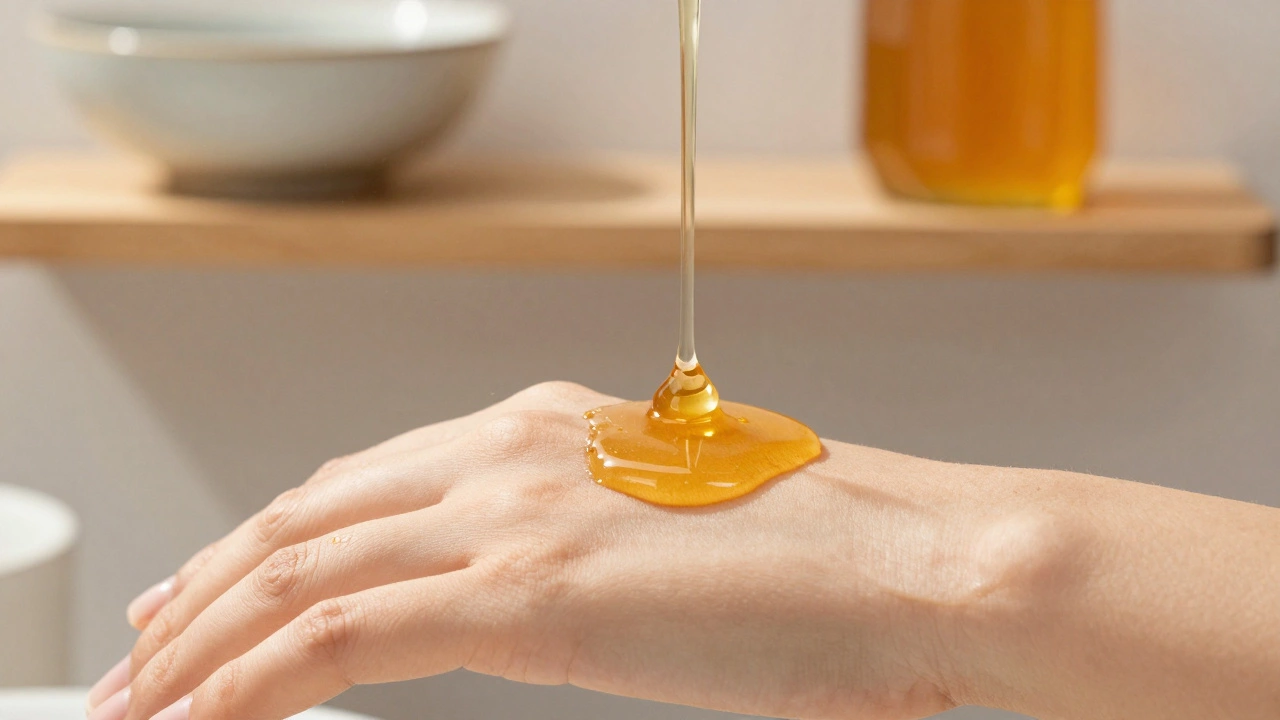
Raw honey isn’t just for tea. It’s one of the oldest and most proven natural skincare ingredients, used for centuries across cultures-from ancient Egyptians to modern dermatologists. Unlike processed supermarket honey, raw honey still contains enzymes, pollen, and propolis. These give it natural antibacterial, anti-inflammatory, and humectant properties.
Apply a thin layer to clean skin, leave it on for 15 minutes, then rinse with lukewarm water. It draws moisture into your skin without clogging pores. People with acne report fewer breakouts after consistent use. Those with eczema or rosacea find it soothes redness and flaking. A 2017 study in the Journal of Clinical Medicine showed raw honey was as effective as topical antibiotics for mild acne, without the risk of bacterial resistance.
It’s not magic. It’s science. Honey’s low pH and hydrogen peroxide content create an environment where acne-causing bacteria can’t thrive. And unlike alcohol-based toners, it doesn’t strip your skin’s natural barrier.
Cold-Pressed Jojoba Oil: The Skin’s Best Friend
Jojoba oil isn’t actually an oil-it’s a liquid wax that mimics your skin’s own sebum. That’s why it works so well for both oily and dry skin. When you apply jojoba oil, your skin recognizes it as its own. This tells your glands to stop overproducing oil, which helps balance acne-prone skin. For dry skin, it locks in moisture without greasiness.
Use it as a cleanser (massage a few drops on dry skin, then wipe with a warm cloth), as a moisturizer (2-3 drops after toning), or even as a makeup remover. It’s non-comedogenic, meaning it won’t clog pores. Unlike coconut oil, which can trigger breakouts in some people, jojoba oil has been shown in clinical trials to improve skin barrier function without irritation.
Look for cold-pressed, unrefined jojoba oil. Heat and chemicals in processing destroy its natural nutrients. A small bottle lasts months because you only need a few drops at a time.
Green Tea Extract: The Anti-Aging Powerhouse
You drink it for energy. But the real magic of green tea is in its polyphenols-especially EGCG, a powerful antioxidant. When applied topically, it fights free radicals that cause wrinkles, sun damage, and dullness. It also reduces inflammation, making it great for sensitive or reactive skin.
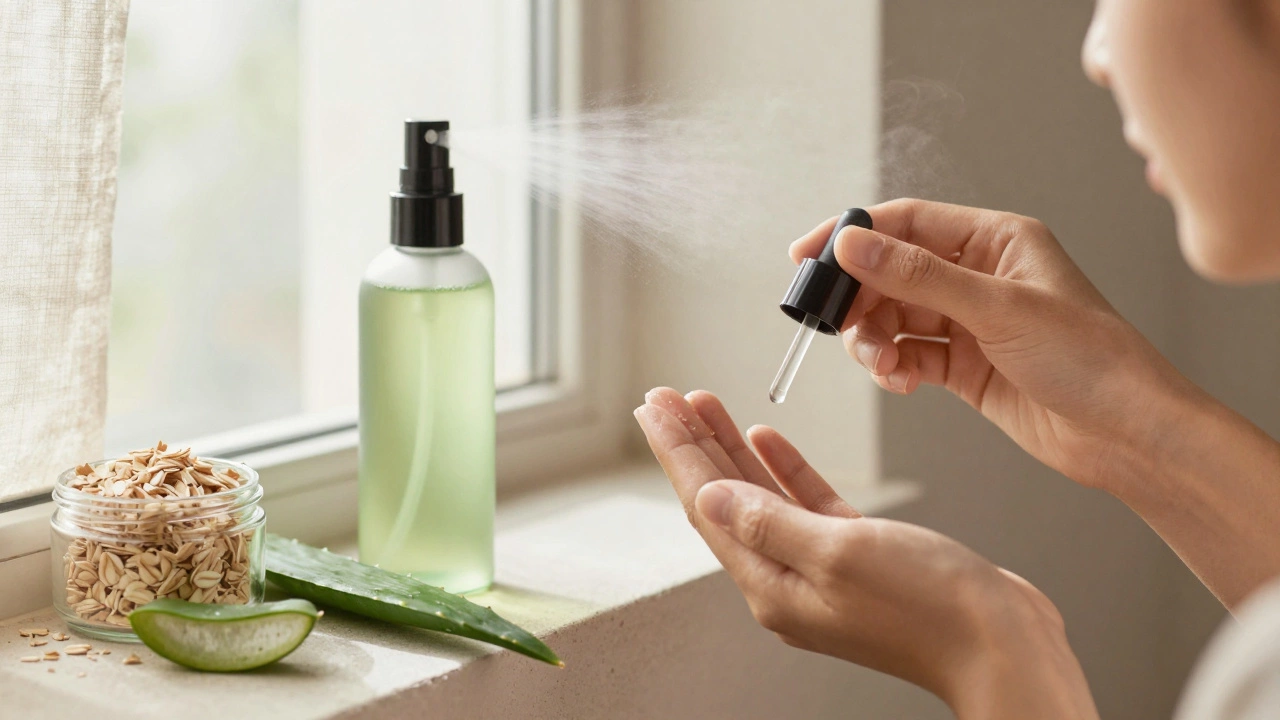
Make a simple toner: brew a strong cup of green tea (use loose leaves or a high-quality bag), let it cool completely, then pour into a spray bottle. Spritz on after cleansing. Store it in the fridge for up to a week. You can also mix cooled tea with a bit of aloe vera gel for a calming mask.
Studies from the Journal of Investigative Dermatology show green tea extract reduces UV-induced redness and prevents collagen breakdown. One 2021 trial found participants using a 2% green tea cream had 30% less skin roughness after 8 weeks. And unlike retinol, it doesn’t cause peeling or sun sensitivity.
Aloe Vera: The Soothing Balm for Irritated Skin
If your skin is red, sunburned, or irritated, reach for the plant. Aloe vera isn’t just for sunburns. The gel inside the leaves contains polysaccharides that promote healing, enzymes that reduce inflammation, and vitamins C and E that repair skin cells.
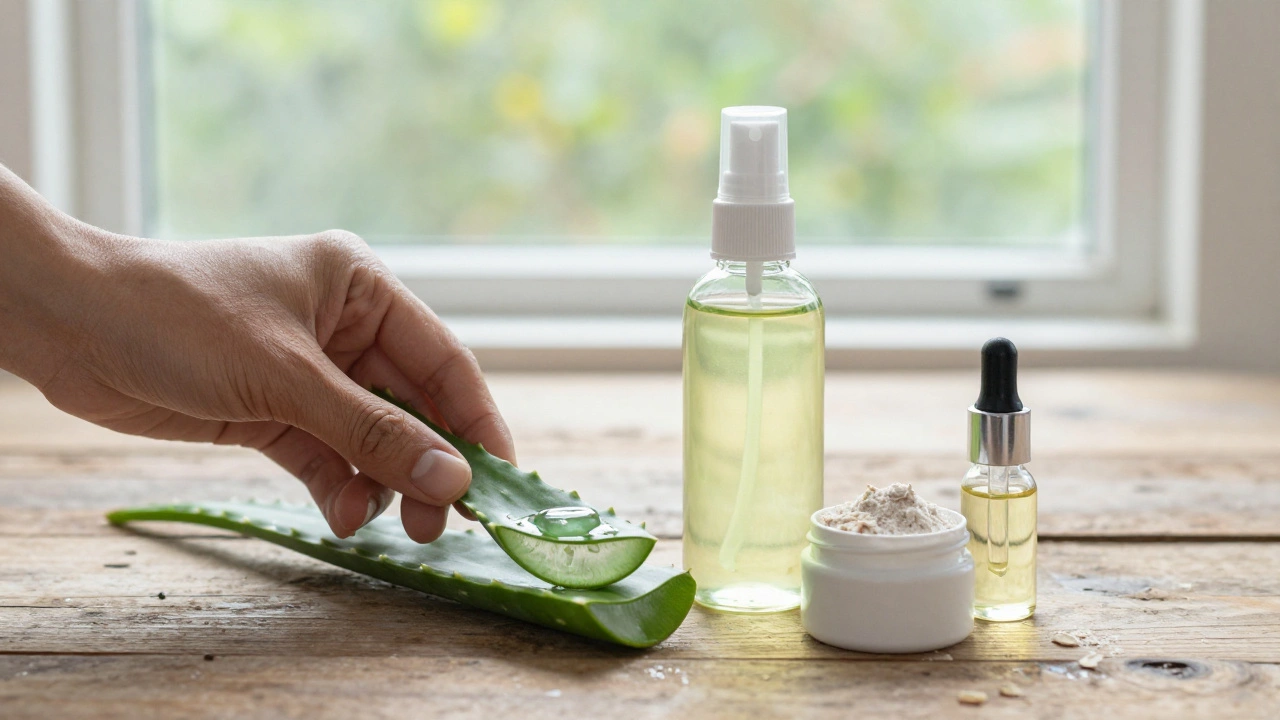
Break open a fresh leaf, scoop out the clear gel, and apply it directly. Let it sit for 20 minutes, then rinse. No need to moisturize afterward-it’s hydrating on its own. Store extra gel in the fridge for up to a week.
Don’t use store-bought aloe gels unless they’re 95%+ pure. Most are diluted with water, alcohol, or preservatives that irritate sensitive skin. The real thing smells slightly grassy and feels cool on contact. It’s the closest thing to a natural bandage for your face.
Colloidal Oatmeal: The Dermatologist’s Secret for Eczema and Sensitivity
Colloidal oatmeal isn’t something you eat. It’s finely ground oats suspended in water-a formulation used in medical skincare for decades. The FDA even recognizes it as a skin protectant. It works by forming a protective film on the skin, trapping moisture and calming itch.
Make your own: grind plain, unflavored oats into a fine powder using a coffee grinder. Mix 2 tablespoons with enough water to make a paste. Apply to clean skin for 10-15 minutes, then rinse. You can also add it to a lukewarm bath for full-face relief.
A 2020 review in the Journal of Clinical and Aesthetic Dermatology confirmed colloidal oatmeal reduces itching and redness in eczema patients better than many commercial creams. It’s safe for babies and adults alike. If your skin flares up in winter or after harsh products, this is your reset button.
Why These Work Better Than Fancy Serums
Most commercial skincare products contain 15-30 ingredients. Many are there for scent, color, shelf life, or marketing-not skin health. Preservatives like parabens, synthetic fragrances, and alcohol can damage your skin barrier over time. Even natural-looking labels like “botanical” or “dermatologist-tested” don’t guarantee safety.
By contrast, the top natural options are single-ingredient, minimally processed, and backed by centuries of use and modern science. They don’t promise overnight miracles. But they don’t cause rebound breakouts, dependency, or irritation either. You’re not treating symptoms-you’re supporting your skin’s natural ability to heal.
What to Avoid: Common Natural Mistakes
Not everything labeled “natural” is safe. Lemon juice? Too acidic-it burns skin and causes photosensitivity. Baking soda? Disrupts your skin’s pH balance and strips protective oils. Essential oils? Highly concentrated. Tea tree oil can irritate if not diluted. Even coconut oil, while great for hair and body, clogs pores for many face types.
Start slow. Test one new thing at a time. Wait 3-5 days before adding another. Pay attention to how your skin feels, not just how it looks. Redness, stinging, or tightness means stop. Your skin is telling you something.
How to Build a Simple Routine
You don’t need 10 steps. Here’s a minimal routine that works for most people:
- Morning: Rinse face with cool water. Spritz green tea toner. Apply 2 drops of jojoba oil.
- Night: Massage 1 teaspoon of raw honey onto dry skin. Rinse. Pat dry. Apply aloe vera gel if skin feels tight or irritated.
- Once a week: Use colloidal oatmeal mask for 15 minutes. Follow with jojoba oil.
That’s it. No serums. No essences. No expensive tools. Just five natural ingredients, used intentionally.
Real Results, Real Time
One woman in Wellington, 42, switched from a $200 anti-aging routine to just honey and jojoba oil. After 6 weeks, her fine lines softened. Her skin felt smoother. She stopped breaking out. She didn’t spend a cent more. Another man in Christchurch with chronic rosacea tried aloe vera and colloidal oatmeal after years of steroid creams. His flare-ups dropped from weekly to once every two months.
These aren’t outliers. They’re people who stopped fighting their skin and started listening to it.
Final Thought: Less Is More
Your skin is not a project to fix. It’s a living system that wants to balance itself. The best natural thing to put on your face isn’t a product-it’s patience. Give your skin time. Use simple, clean ingredients. Let it breathe. Watch it heal.
You don’t need to buy the next big thing. You already have what you need.