
Chronic pain doesn’t just hurt - it wears you down. It steals sleep, kills motivation, and turns simple tasks into battles. If you’ve tried painkillers, creams, or even injections only to see the pain come back stronger, you’re not alone. The truth? There’s no magic pill for long-term pain relief. But there are proven, science-backed ways to reduce pain that last - without relying on drugs that lose their power over time.
Why Most Pain Relief Fails Long-Term
Most people start with painkillers because they work fast. But after a few months, your body adapts. NSAIDs like ibuprofen stop being as effective. Opioids bring risks of dependence and side effects like constipation, brain fog, and mood crashes. Even steroid injections? They give a few weeks of relief, then the inflammation comes back - often worse.
Here’s the problem: these methods treat symptoms, not causes. Chronic pain isn’t just about damaged tissue. It’s about your nervous system getting stuck in overdrive. Your brain starts interpreting normal signals as pain. That’s why pain lingers even after an injury heals.
The Four Pillars of Lasting Pain Relief
Research from the University of Auckland’s Pain Management Centre and the New Zealand Chronic Pain Network shows that the most effective long-term strategies work on four levels:
- Movement - Not rest, but controlled, consistent motion
- Nervous system regulation - Calming the body’s alarm system
- Sleep quality - Pain worsens with poor sleep; sleep heals pain
- Mind-body connection - How you think about pain changes how much you feel it
Pillar 1: Movement That Heals, Not Hurts
Rest used to be the go-to advice. Now, we know it’s one of the worst things you can do. Lack of movement stiffens joints, weakens muscles, and makes your nervous system more sensitive.
Studies in the British Journal of Sports Medicine found that people with chronic lower back pain who did 30 minutes of low-impact movement five days a week cut their pain intensity by 42% over six months. Not because they lifted heavy weights - but because they moved consistently.
What works best?
- Walking - Start with 10 minutes a day, add 2 minutes every week
- Swimming or water aerobics - The buoyancy reduces joint pressure
- Yoga or tai chi - Focus on slow, mindful motion
- Strength training with light weights - Builds support around painful joints
Key rule: Don’t push into sharp pain. Aim for mild discomfort - the kind that says, "I’m working," not "I’m breaking."
Pillar 2: Calming Your Nervous System
Your nervous system is like a smoke alarm that’s stuck on. Even when there’s no fire, it screams. Chronic pain often comes from this overactive alarm.
One of the most effective tools? Diaphragmatic breathing. Not shallow chest breathing - deep belly breathing. Do this for 5 minutes, twice a day:
- Inhale slowly through your nose for 4 seconds
- Hold for 2 seconds
- Exhale through your mouth for 6 seconds
- Pause for 2 seconds before the next breath
A 2024 study from the University of Otago showed that people who practiced this daily for eight weeks reported 37% less pain intensity. Why? It activates the vagus nerve - your body’s natural painkiller switch.
Other proven methods:
- Progressive muscle relaxation (tense and release each muscle group)
- Guided imagery (visualizing calm places like beaches or forests)
- Heat therapy - A warm bath or heating pad for 20 minutes helps reset nerve signals
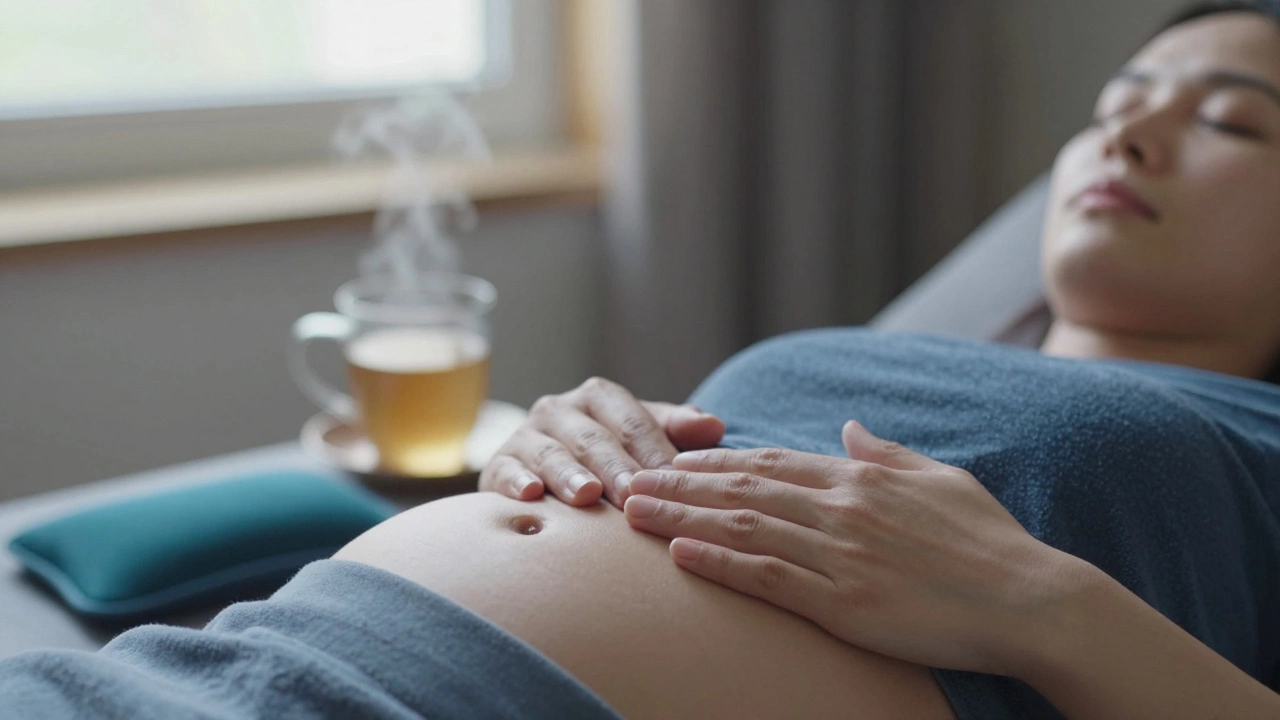
Pillar 3: Sleep - The Forgotten Pain Medicine
If you’re not sleeping well, no other treatment will work as well. Pain disrupts sleep. Poor sleep makes pain worse. It’s a loop.
Here’s what actually improves sleep for chronic pain sufferers:
- Keep your bedroom cool - around 18°C (64°F) is ideal
- Use a supportive pillow - cervical pillows help neck and upper back pain
- Avoid screens 90 minutes before bed - blue light blocks melatonin
- Try magnesium glycinate - 200-400 mg before bed helps relax muscles and nerves
- Get sunlight within 30 minutes of waking - even on cloudy days
One patient in Wellington, 68, had severe osteoarthritis. After fixing her sleep routine - not changing her meds - her pain score dropped from 8/10 to 3/10 in three months.
Pillar 4: Rewiring How You Think About Pain
Pain isn’t just physical. It’s emotional. Fear, frustration, and helplessness amplify it.
Cognitive Behavioral Therapy (CBT) for pain isn’t about "thinking positive." It’s about changing the story you tell yourself:
- Instead of: "My body is broken," try: "My body is healing, even if it’s slow."
- Instead of: "I can’t do anything," try: "I can do something - even if it’s small."
A 2023 trial from the Auckland Pain Clinic found that people who did 8 sessions of pain-focused CBT reduced their pain-related disability by 51%. They didn’t feel less pain at first - but they stopped fearing it. And that made all the difference.
Apps like PainCare (developed by New Zealand health researchers) offer free CBT exercises tailored to chronic pain. No subscription needed.
What About Supplements and Alternative Therapies?
Some work. Most don’t.
Glucosamine and chondroitin - Mixed results. Only helpful for knee osteoarthritis, and even then, the effect is mild.
CBD oil - Some people report relief. But in New Zealand, quality varies wildly. Only use products with a NZ-MED certificate and third-party lab testing.
Acupuncture - Evidence shows it helps with back pain, neck pain, and headaches. Not because of "energy flow," but because it stimulates nerves that block pain signals.
Massage therapy - Especially myofascial release. One session won’t fix you. But 6-8 weekly sessions can reduce pain intensity by 30% over time.
Steer clear of:
- Herbal blends with unlisted ingredients
- Devices that promise "permanent pain elimination"
- Extreme diets claiming to "cure" pain

What Doesn’t Work Long-Term
Let’s be clear about what’s a dead end:
- Long-term NSAIDs - Risk of kidney damage, stomach ulcers, and heart issues
- Opioids - High addiction risk, no long-term benefit for non-cancer pain
- Bed rest - Makes stiffness and weakness worse
- Single treatments - One massage, one injection, one supplement - doesn’t cut it
These might give a quick fix. But they don’t rebuild your body’s ability to heal.
Your 90-Day Pain Relief Plan
Here’s a simple, doable plan based on real people who got their lives back:
- Week 1-2: Start walking 10 minutes a day. Add 2 minutes every 3 days. Do 5 minutes of diaphragmatic breathing twice daily.
- Week 3-4: Add one gentle yoga or tai chi session. Try magnesium glycinate before bed. Track your pain level on a scale of 1-10 every night.
- Month 2: Schedule a physiotherapist for a movement assessment. Ask about aquatic therapy. Start a pain journal - write down what made pain better or worse each day.
- Month 3: Try a free 8-week CBT program like PainCare. If you’re still stuck, ask your GP for a referral to a chronic pain clinic.
You don’t need to do everything at once. Pick one thing. Do it for 30 days. Then add another.
When to Seek Professional Help
If after 90 days of consistent effort, your pain hasn’t improved by at least 20%, it’s time to see a specialist. Look for:
- A pain management clinic (not just a GP)
- A physiotherapist trained in chronic pain (not just sports injuries)
- A psychologist who specializes in pain (not general mental health)
In New Zealand, public pain clinics are free with a GP referral. You don’t need private insurance.
Final Thought: Pain Isn’t Your Enemy
Chronic pain feels like betrayal. Your body is supposed to protect you - but now it’s working against you.
The shift isn’t about eliminating pain. It’s about reclaiming your life despite it. People who get the best results aren’t the ones who found the perfect pill. They’re the ones who stopped fighting their body - and started working with it.
It’s slow. It’s messy. But it works. And it lasts.
Can chronic pain ever go away completely?
For some people, yes - especially if the root cause (like poor posture, untreated injury, or inflammation) is addressed. But for most, the goal isn’t total elimination. It’s reducing pain enough to live fully. Many people with lifelong conditions like fibromyalgia or arthritis learn to manage pain so well they no longer let it control their daily choices.
Is surgery ever the best long-term solution?
Only in very specific cases - like severe joint degeneration that’s visibly damaged on scans, and only after trying movement, therapy, and lifestyle changes. Knee replacements and spinal fusions can help, but studies show 20-30% of patients still have pain afterward. Surgery should be a last resort, not a first one.
What’s the fastest way to get relief?
There’s no fast fix that lasts. But if you need immediate comfort, try a warm bath with Epsom salts (magnesium helps) and 5 minutes of deep breathing. Combine that with a short walk the next day. That’s the fastest path to real, lasting change.
Do I need to stop all painkillers?
Not necessarily. But you should aim to reduce them over time. Many people find that after 4-6 weeks of movement and breathing exercises, they need half the medication. Never stop cold turkey - talk to your doctor about tapering safely.
How do I know if a treatment is worth trying?
Ask: Does it require daily effort? Does it build your strength or calm your nervous system? Does it have science behind it (not just testimonials)? If yes, it’s likely worth a 30-day trial. If it’s a one-time treatment, expensive, or promises instant results - it’s probably not sustainable.