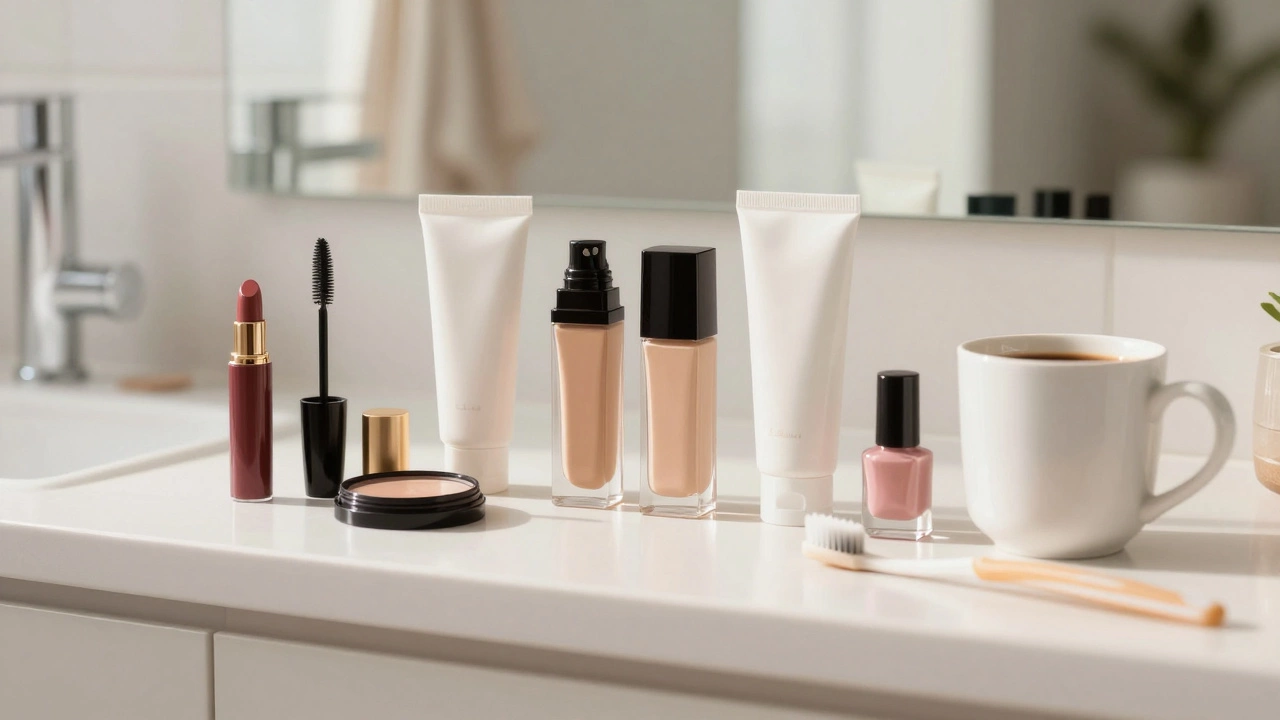
When someone asks, "What is an example of a cosmetic?" they’re not looking for a textbook definition. They want to know what actually counts - the stuff you pick up at the drugstore, swipe on in the morning, or grab before a night out. It’s simpler than you think. A cosmetic is anything you apply to your body to change your appearance, not to treat or cure anything. That’s the legal line, drawn by the FDA and similar agencies around the world.
Everyday Examples of Cosmetics
Think about your morning routine. The moisturizer you rub into your face? That’s a cosmetic. The foundation you blend to even out your skin tone? Cosmetic. The mascara that makes your lashes look longer? Also a cosmetic. Lip balm? Yes. Blush? Definitely. Even your sunscreen counts - if it’s labeled as a beauty product with SPF, not a drug.
Here’s a quick list of real-world examples you’ve probably used this week:
- Foundation, concealer, or tinted moisturizer
- Lipstick, lip gloss, or lip liner
- Eyeliner, eyeshadow, or brow pencil
- Mascara or false lashes
- Blush, bronzer, or highlighter
- Face powder or setting spray
- Shampoo, conditioner, or hair styling gel
- Deodorant or body lotion with fragrance
- Nail polish or nail strengtheners
These aren’t medicines. They don’t claim to heal acne, reverse wrinkles, or treat psoriasis. If they did, they’d be classified as drugs - and regulated differently. But if they just make you look a certain way? That’s cosmetics.
What’s Not a Cosmetic?
Not everything that touches your skin is a cosmetic. Here’s where the line gets blurry - and why it matters.
Antiperspirants that stop sweat? Those are drugs. They interfere with your body’s natural function. Same with acne treatments that contain benzoyl peroxide or salicylic acid at high concentrations. Those are drugs because they treat a medical condition. Even some "anti-aging" creams that promise to stimulate collagen production cross into drug territory if they make medical claims.
Shampoos that treat dandruff with zinc pyrithione? That’s a drug. But a regular shampoo that just cleans your hair? That’s a cosmetic. The difference isn’t in the bottle - it’s in what the label says.
Think of it this way: if you bought it to look better, it’s a cosmetic. If you bought it to fix a problem, it’s likely a drug.
Why Does This Distinction Matter?
You might wonder why the government cares whether your lip gloss is a cosmetic or a drug. The answer is safety and oversight.
Cosmetics don’t need FDA approval before they hit shelves. Companies can launch a new lipstick, serum, or perfume without proving it’s safe - as long as they don’t make drug claims. But if a product causes harm, the FDA can pull it off the market. That’s why you hear about recalls for lead in lipstick or formaldehyde in keratin treatments.
Drugs, on the other hand, go through clinical trials, strict labeling rules, and mandatory testing. They’re held to a higher standard. That’s why you can’t buy prescription acne cream at a gas station - it’s not a cosmetic.
So when you see a product labeled "dermatologist-tested" or "clinically proven," that doesn’t mean it’s a drug. It just means the brand paid for some testing. It’s still a cosmetic - unless it says it treats, prevents, or cures something.
Common Misconceptions
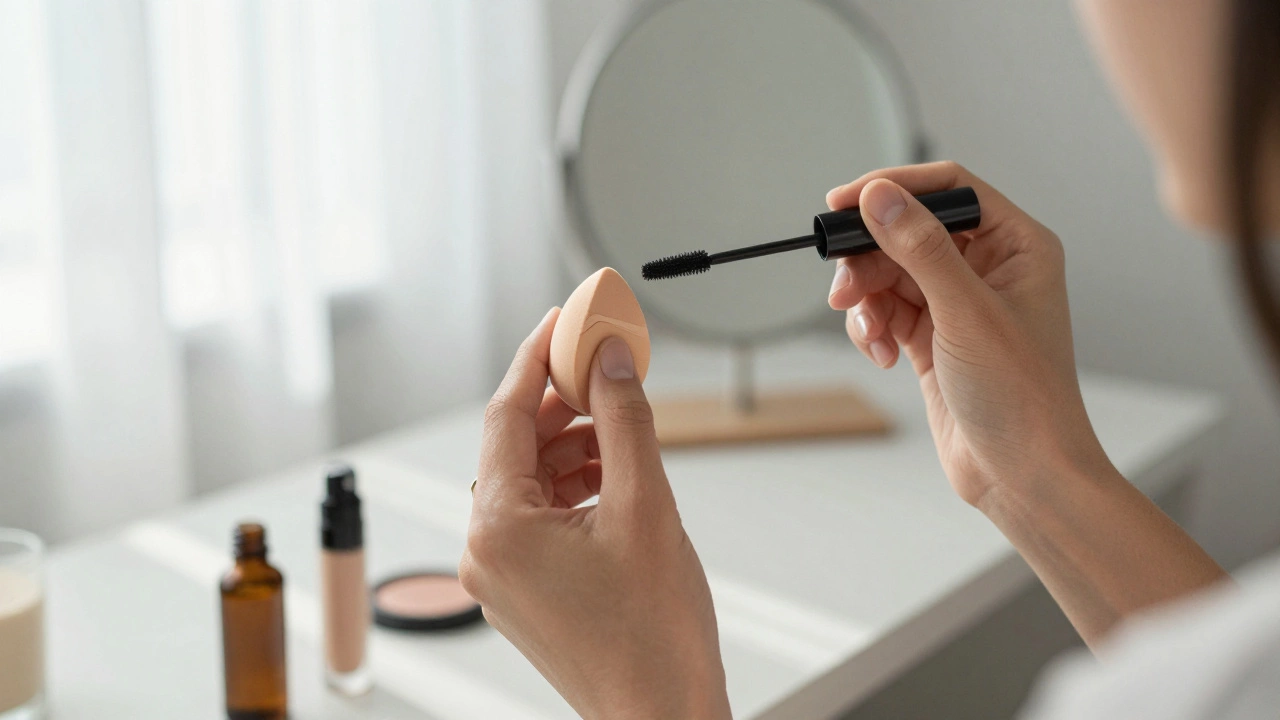
Many people think "cosmetic" only means makeup. That’s not true. Hair dye? Cosmetic. Perfume? Cosmetic. Even the scented hand soap you use at the sink? If it’s there for smell or feel, not for killing germs, it’s a cosmetic.
Another myth: natural or organic equals cosmetic. Nope. A product made from coconut oil and beeswax can still be a drug if it claims to heal eczema. And a synthetic chemical in a foundation? Still a cosmetic if it’s just for color or texture.
Also, don’t confuse cosmetics with medical devices. A derma roller used for microneedling? That’s a device. A facial steamer? Also a device. These aren’t applied to the skin like a cream - they’re tools. And they’re regulated under different rules.
What About Skincare?
Skincare sits right on the edge. Lotions, serums, toners - these are cosmetics. But if a serum says it "reduces fine lines by 40% in 8 weeks," that’s a drug claim. The FDA has sent warning letters to brands for exactly this.
Take retinol. In low doses, it’s a cosmetic ingredient that gently exfoliates. In higher, prescription-strength forms? It’s a drug called tretinoin. Same molecule. Different label. Different rules.
That’s why you’ll see brands write things like "helps improve skin texture" instead of "reduces wrinkles." They’re dancing on the line - and staying legal.
How to Tell If Something’s a Cosmetic
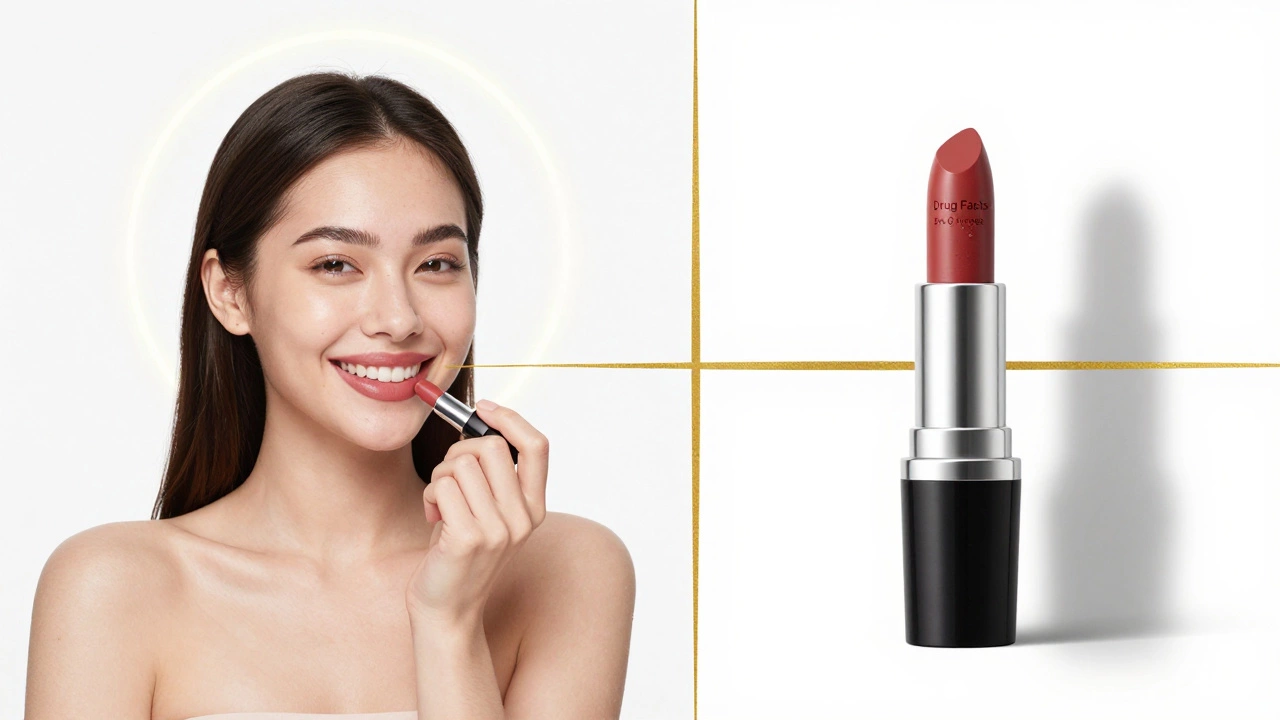
Here’s a simple trick: look at the label. Not the front. The back. Under "Drug Facts" or "Active Ingredients."
- If it says "Drug Facts" - it’s a drug.
- If it says "Ingredients" - it’s a cosmetic.
- If it claims to treat, prevent, or cure - it’s likely a drug.
- If it claims to clean, beautify, promote attractiveness, or alter appearance - it’s a cosmetic.
That’s it. No guesswork. No confusion.
For example, a moisturizer that says "hydrates and reduces redness"? Cosmetic. But if it says "treats rosacea"? That’s a drug. Same bottle. Different words. Different legal status.
Final Takeaway
So what’s an example of a cosmetic? It’s the everyday stuff you use to feel better about how you look. Your lipstick, your shampoo, your nail polish, your face cream - if it doesn’t claim to fix a medical issue, it’s a cosmetic.
You don’t need to be a chemist or a lawyer to understand this. Just ask yourself: "Am I using this to look better, or to fix something wrong?" If it’s the first, you’re holding a cosmetic. And there’s nothing wrong with that. Cosmetics are part of daily life - for millions of people, every single day.
Is lipstick considered a cosmetic?
Yes, lipstick is a cosmetic. It’s applied to the lips to change their appearance - adding color, shine, or texture - without treating or preventing a medical condition. Even long-wearing or moisturizing lipsticks are classified as cosmetics unless they claim to heal chapped lips or treat cold sores.
Is sunscreen a cosmetic or a drug?
It depends. If the sunscreen is sold only to protect skin from sunburn and doesn’t claim to prevent skin cancer or aging, it’s a cosmetic. But if it says it reduces the risk of skin cancer or prevents premature aging, the FDA classifies it as a drug. Most broad-spectrum sunscreens with SPF 15+ are regulated as drugs because of those claims.
Can a product be both a cosmetic and a drug?
Yes, some products are regulated as both. These are called "cosmeceuticals" in marketing, but legally they’re combination products. Examples include anti-dandruff shampoos with zinc pyrithione, toothpaste with fluoride, or deodorants that also prevent sweat. They must follow rules for both categories - which means stricter testing and labeling.
Are serums cosmetics?
Most facial serums are cosmetics. They deliver ingredients like hyaluronic acid or vitamin C to improve skin texture or glow. But if a serum claims to stimulate collagen production, reduce wrinkles, or treat melasma, it crosses into drug territory. Brands often walk this line carefully - using phrases like "visibly improves" instead of "treats."
Is perfume a cosmetic?
Yes, perfume is a cosmetic. Its only purpose is to add fragrance to the body to enhance appearance or attractiveness. Even if it contains alcohol or synthetic chemicals, as long as it doesn’t claim to treat body odor medically (like an antiperspirant), it’s classified as a cosmetic.