Natural Face Tightening Routine Score
Select the habits and products you currently use to see your "Tightening Potential" score.
Topical Ingredients
Tools & Techniques
Lifestyle & Protection
Your Score
Start Selecting Habits
Check the boxes on the left that match your routine, then click calculate to see your potential for natural skin tightening.
- • Select items to get advice
Have you ever looked in the mirror and noticed that your jawline isn't as sharp as it used to be? Maybe your cheeks feel a bit heavier, or those fine lines around your eyes seem deeper. You aren't imagining it. As we age, our skin loses elasticity. It's not just about wrinkles; it's about structure. Many people turn to expensive procedures like facelifts or laser treatments to fix this. But there is another path. You might have heard the term natural face tightener. But what does that actually mean? Does it work, or is it just marketing hype?
A natural face tightener isn't a magic wand that snaps your skin back into place overnight. It is a combination of specific botanical ingredients, lifestyle changes, and sometimes gentle mechanical tools that stimulate your body's own repair mechanisms. The goal is to boost collagen production, improve blood flow, and reduce inflammation. Let's break down exactly how these methods work, which ingredients actually deliver results, and what you can realistically expect.
The Science Behind Skin Sagging
Before you buy any product, you need to understand why your skin is sagging in the first place. Skin has three main layers: the epidermis (the top layer), the dermis (the middle layer), and the subcutaneous tissue (the fat layer). The dermis is where the action happens. It contains two crucial proteins: collagen and elastin.
Think of collagen as the bricks in a wall. It provides strength and structure. Elastin acts like the mortar or rubber bands, allowing the skin to stretch and snap back. When you're young, your body produces plenty of both. But after age 25, collagen production drops by about 1% per year. By the time you hit 40, you've lost a significant amount of structural support. Add in sun damage, pollution, and stress, and the breakdown accelerates. This leads to laxity, or loose skin. A natural face tightener aims to slow this process and encourage new growth.
Key Botanical Ingredients That Actually Work
Not all "natural" claims are created equal. Some herbs do nothing for firmness. However, certain plant-based compounds have been studied for their ability to influence skin health. Here are the heavy hitters you should look for on ingredient lists.
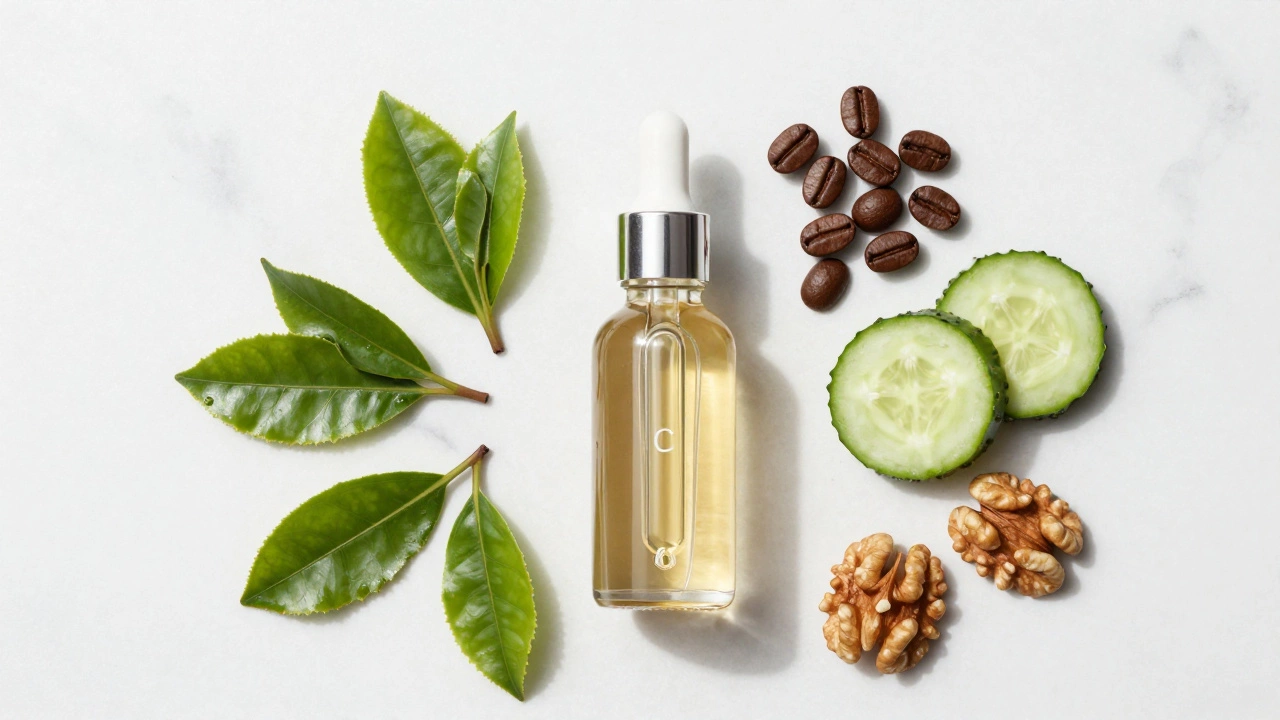
- Caffeine: Found in green tea and coffee beans, caffeine is a vasoconstrictor. It temporarily tightens blood vessels, which can reduce puffiness and make the skin appear firmer. It also helps protect against UV damage.
- Green Tea Extract: Rich in polyphenols called catechins, specifically EGCG. These antioxidants fight free radicals that break down collagen. Studies suggest topical application can improve skin elasticity and hydration.
- Hyaluronic Acid: While often associated with injections, hyaluronic acid occurs naturally in the body. Plant-derived versions (often fermented) help bind moisture to the skin. Plump, hydrated skin looks tighter than dry, dehydrated skin.
- Vitamin C: This is essential for collagen synthesis. Your body literally cannot make collagen without Vitamin C. Look for stable forms like L-ascorbic acid or sodium ascorbyl phosphate in serums.
- Retinol Alternatives: Since pure retinol is synthetic, natural alternatives include Bakuchiol. Derived from the Psoralea corylifolia plant, Bakuchiol mimics the effects of retinol-boosting cell turnover and collagen-without the irritation.
Natural Tools and Techniques
Ingredients alone might not give you the dramatic lift you want. Combining them with physical techniques can enhance results. These methods focus on circulation and muscle tone.
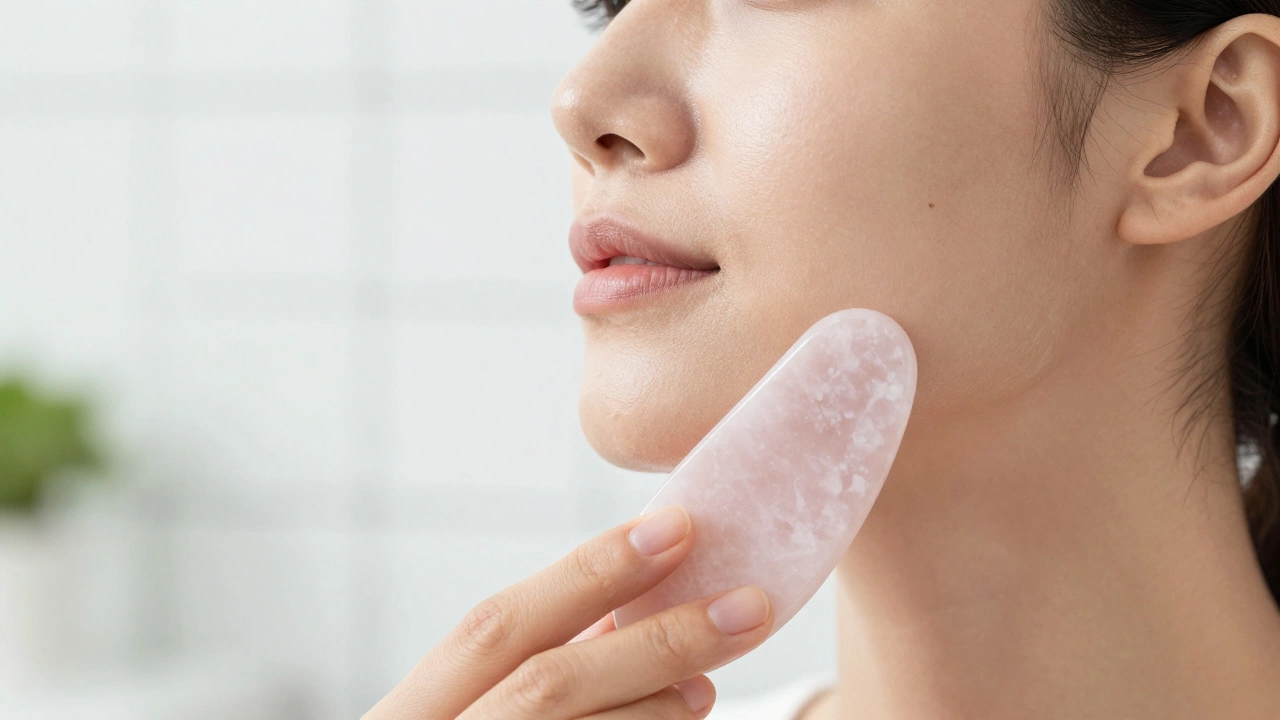
Gua Sha and Facial Massage
Gua Sha is an ancient Chinese practice involving scraping the skin with a smooth stone tool. When done correctly, it increases blood flow and lymphatic drainage. This reduces fluid retention, which makes the face look slimmer and more defined. Regular massage can also strengthen facial muscles over time. Think of it as working out your face, but gently.
Cold Therapy (Cryotherapy)
Exposing your skin to cold temperatures causes temporary vasoconstriction. This tightens pores and firms the skin instantly. You don't need a fancy machine. Keeping your jade roller or gua sha tool in the fridge works wonders. Some people even use ice globes for a quick morning lift. Just remember to keep movements upward and outward to avoid pulling the skin down.
Dietary Support for Skin Elasticity
You can't out-skincare a bad diet. What you eat directly impacts your skin's structural integrity. To support natural tightening, focus on these nutritional pillars:
- Protein Intake: Collagen is made of amino acids. Ensure you're eating enough protein from sources like fish, eggs, lean meats, or legumes.
- Healthy Fats: Omega-3 fatty acids found in salmon, walnuts, and flaxseeds maintain the skin's lipid barrier. This keeps skin supple and resilient.
- Antioxidant-Rich Foods: Berries, dark leafy greens, and colorful vegetables combat oxidative stress. Oxidative stress damages collagen fibers.
- Hydration: Water is critical. Dehydrated skin looks crepey and loose. Aim for consistent water intake throughout the day.
Realistic Expectations: Natural vs. Medical Procedures
It is vital to set realistic expectations. A natural face tightener will not replicate the results of a surgical facelift or high-energy laser treatment. Those medical interventions physically remove excess skin or create deep thermal injury to force massive collagen remodeling. Natural methods are subtle and cumulative.
| Factor | Natural Face Tighteners | Clinical Procedures (Lasers/Surgery) |
|---|---|---|
| Results Speed | Gradual (weeks to months) | Immediate to moderate (days to weeks) |
| Dramatic Lift | Mild improvement in texture and tone | Significant lifting and contouring |
| Risk Profile | Very low (minimal side effects) | Higher (downtime, infection risk, cost) |
| Maintenance | Daily routine required | Periodic touch-ups needed |
| Cost | Low to moderate | High ($1,000 - $10,000+) |
If you have severe skin laxity, natural methods may not be enough. They work best for prevention, early signs of aging, or as a maintenance strategy alongside other treatments. For mild to moderate looseness, however, they can make a noticeable difference in radiance and firmness.

Building Your Routine
Consistency is key. Here is a simple framework to integrate natural tightening strategies into your daily life.
- Morning: Cleanse with a gentle, pH-balanced cleanser. Apply a Vitamin C serum to protect against daytime environmental damage. Follow with a moisturizer containing hyaluronic acid. Finish with sunscreen. Sun damage is the #1 cause of premature aging. No natural tightener will work if you aren't wearing SPF 30+ daily.
- Evening: Double cleanse to remove makeup and pollutants. Apply a Bakuchiol or peptide-rich serum. Use your Gua Sha tool or jade roller for 5-10 minutes, focusing on upward strokes along the jawline and cheekbones. Seal everything with a nourishing night cream.
- Weekly: Incorporate a clay mask to draw out impurities and tighten pores temporarily. Exfoliate gently to encourage cell turnover, but avoid harsh scrubs that can damage the skin barrier.
Pitfalls to Avoid
While pursuing natural solutions, watch out for common mistakes. First, avoid products with excessive fragrances or alcohol. These can dry out the skin, making it look worse. Second, don't pull your skin too hard during massage. Aggressive tugging can actually stretch the skin further, causing more damage. Be gentle. Third, beware of "miracle" creams promising instant results. If it sounds too good to be true, it probably is. Natural processes take time.
Finally, listen to your skin. If a product irritates you, stop using it. Inflammation breaks down collagen. Your goal is calm, healthy, resilient skin. By combining potent botanical ingredients, mindful techniques, and a supportive diet, you can achieve a firmer, more youthful appearance without stepping foot in a surgeon's office.
How long does it take for natural face tighteners to show results?
Natural methods are gradual. You may see immediate temporary firmness from cooling tools or caffeine, but lasting changes in collagen density and skin elasticity typically take 8 to 12 weeks of consistent use. Patience is essential because skin cells turnover slowly.
Can natural ingredients replace surgery for severe sagging?
No. Natural ingredients can improve skin quality, hydration, and mild laxity, but they cannot remove excess skin or significantly reposition deep facial structures. For severe sagging, surgical options or advanced energy-based devices are necessary.
Is Gua Sha safe for everyone?
Gua Sha is generally safe, but it is not recommended for people with active acne, rosacea flare-ups, or broken capillaries. The pressure can worsen inflammation or spread bacteria. Always use light pressure and clean tools.
What is the best natural ingredient for collagen production?
Vitamin C is the most critical nutrient for collagen synthesis. Topically, L-ascorbic acid is effective, but it must be formulated stably. Dietaryly, citrus fruits, bell peppers, and broccoli provide ample Vitamin C to support internal collagen production.
Does drinking collagen powder actually tighten skin?
Research suggests that hydrolyzed collagen peptides can improve skin hydration and elasticity when taken consistently over several months. While not a direct "tightener," it provides the building blocks your body needs to repair skin structure.