
Skin Mole Assessment Tool
Mole Risk Assessment
Use this tool to evaluate your moles using the ABCDE criteria (Asymmetry, Border, Color, Diameter, Evolution). This is not a medical diagnosis, but can help you identify concerning changes.
Results
Important note: This tool is not a substitute for professional medical advice. If you notice any concerning changes in your moles, contact a dermatologist immediately.
If your mole has multiple ABCDE features or has changed significantly, consult a dermatologist as soon as possible.
When you notice a rash that won’t go away, a mole that’s changing shape, or persistent acne that won’t respond to over-the-counter creams, you might be told to see a dermatology clinic. But what does that actually mean? A dermatology clinic isn’t just a place to get a quick checkup-it’s a specialized medical environment focused entirely on skin, hair, and nail health. Unlike a general doctor, a dermatologist at a clinic has years of training dedicated to diagnosing and treating conditions that affect the largest organ in your body: your skin.
What Happens at a Dermatology Clinic?
Walking into a dermatology clinic feels different from a regular doctor’s office. The waiting room often has brochures about sun protection, acne treatments, or psoriasis management. The staff are trained to handle skin-specific concerns. When you’re called in, the dermatologist won’t just glance at your skin-they’ll ask detailed questions: When did it start? Does it itch or burn? Have you changed soaps, detergents, or skincare products? Have you been exposed to new environments or stressors?
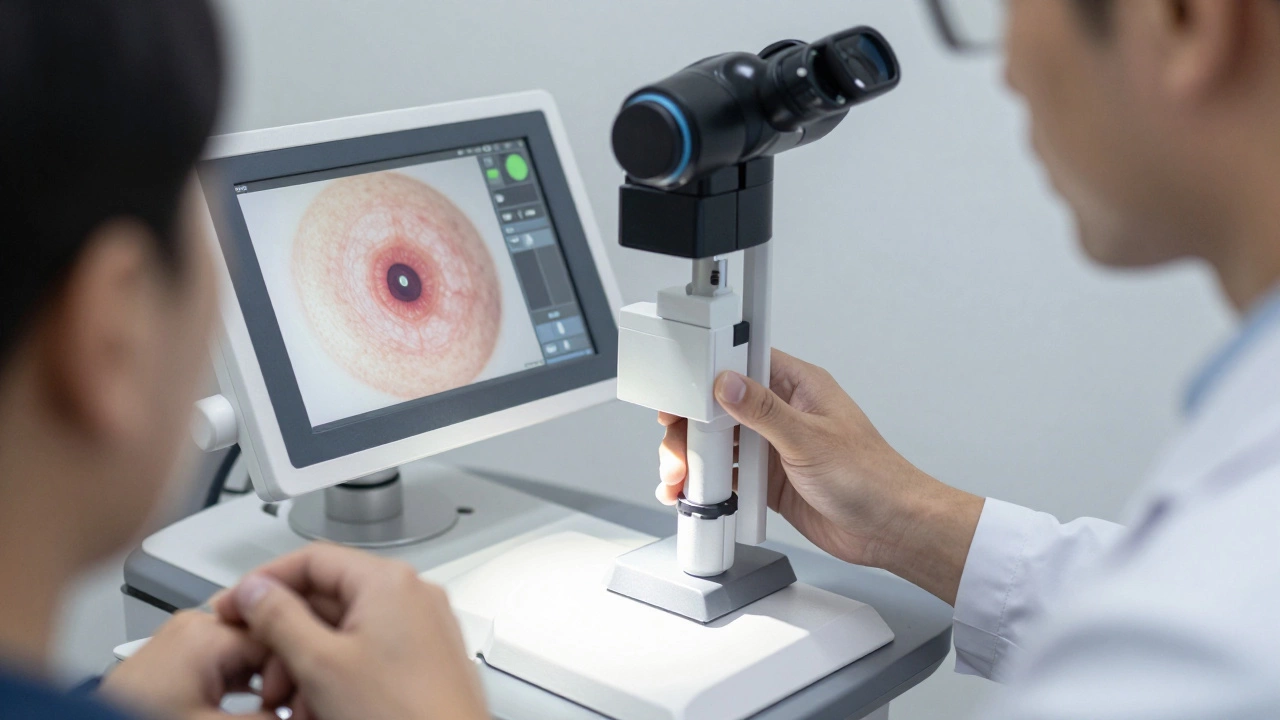
The exam itself is methodical. They use a special magnifying tool called a dermatoscope to look at moles, rashes, or lesions up close. This isn’t just a visual check-it’s a diagnostic step that helps spot early signs of skin cancer, like melanoma, which can be cured if caught early. In fact, studies show that skin cancer survival rates jump from 17% to over 98% when detected in its earliest stage. That’s why a routine visit to a dermatology clinic can literally save your life.
Many clinics also offer procedures right there in the office. If you have a suspicious mole, they can remove it during the same appointment. If you have severe acne, they might prescribe a combination of topical treatments and oral medications. For conditions like eczema or psoriasis, they’ll create a long-term management plan that includes lifestyle changes, prescription creams, and sometimes light therapy.
Who Needs to Go to a Dermatology Clinic?
You don’t have to have a serious condition to benefit from a dermatology clinic. Here are common reasons people go:
- Chronic acne that doesn’t respond to drugstore products
- Unexplained rashes, hives, or itching that lasts more than a few weeks
- Moles that are asymmetrical, have uneven borders, change color, or grow larger than a pencil eraser
- Signs of skin aging like sun spots, fine lines, or loss of elasticity
- Hair loss that’s sudden, patchy, or accompanied by scalp irritation
- Nail changes like thickening, discoloration, or separation from the nail bed
- Family history of skin cancer
- Diabetes or autoimmune conditions that affect skin health
Even if you think your issue is cosmetic-like unwanted facial hair or stubborn wrinkles-a dermatology clinic is the right place. These clinics handle both medical and aesthetic concerns. They’re not just for emergencies. Many people visit once a year for a full-body skin check, just like you’d go for a dental cleaning.
Dermatology Clinic vs. Beauty Salon vs. General Practitioner
It’s easy to confuse a dermatology clinic with a spa or your local GP. Here’s how they differ:
| Feature | Dermatology Clinic | Beauty Salon | General Practitioner |
|---|---|---|---|
| Training | Medical doctor with 5+ years of skin-specific training | Esthetician with certification in skincare treatments | General physician with basic skin knowledge |
| Can Diagnose Cancer? | Yes | No | Usually not trained to detect early signs |
| Can Prescribe Medications? | Yes | No | Yes, but limited to basic treatments |
| Can Perform Biopsies or Laser Treatments? | Yes | No | Usually refers out |
| Focus | Medical diagnosis and treatment | Aesthetics and relaxation | General health, with skin as a minor part |
Think of it this way: a beauty salon can help you look good. A dermatology clinic helps you stay healthy. And a general practitioner might miss something serious because skin isn’t their main focus.
What to Bring to Your First Appointment
Preparing properly makes your visit more effective. Here’s what to have ready:
- A list of all skincare products you use-including brand names and ingredients
- Photos of the issue if it comes and goes (like a rash that flares up after sun exposure)
- Any medications you’re taking, even over-the-counter ones
- Family medical history, especially if anyone has had skin cancer
- Questions written down. Don’t rely on memory-your mind is focused on the problem, not the details
Be honest. If you’ve been using a friend’s acne cream or skipping sunscreen because it “feels greasy,” say so. Dermatologists have seen it all. They’re not judging-they’re helping.
How Often Should You Visit?
There’s no one-size-fits-all answer. If you’ve never had skin issues and have no family history of skin cancer, once every two to three years is fine. But if you’ve had melanoma, severe acne, or eczema, you might need to go every three to six months. High-risk groups-like those with fair skin, lots of sun exposure, or a history of sunburns-should get checked annually.
Some clinics now offer digital skin mapping. They take high-res photos of your entire body and store them for future comparison. This way, even tiny changes over time are tracked. It’s like having a personal skin health record.
Why Dermatology Clinics Are More Than Just ‘Acne Doctors’
Many people think dermatologists only treat teenagers with pimples. That’s outdated. Dermatology clinics now handle conditions that affect millions:
- Psoriasis affects 3% of the global population. It’s not just scaly patches-it can cause joint pain and increase heart disease risk.
- Atopic dermatitis (eczema) is rising in adults. It’s often linked to gut health, stress, and environmental triggers.
- Melanoma is the most common cancer in 15- to 29-year-olds in New Zealand. That’s why regular skin checks are part of public health guidelines here.
- Hair loss in women is often hormonal, not just aging. Dermatologists can test for thyroid issues or iron deficiency.
Modern dermatology clinics also integrate with other specialties. If your skin condition is linked to an immune disorder, they’ll coordinate with your rheumatologist. If your acne is tied to PCOS, they’ll work with your gynecologist. It’s holistic care, not just surface-level fixes.
What You Can Do Between Visits
While clinics handle diagnosis and treatment, your daily habits make the biggest difference:
- Use sunscreen every day-even on cloudy days. UV damage adds up over time.
- Don’t pick at pimples or moles. It can cause scarring or spread infection.
- Keep your skin hydrated. Dry skin is more prone to cracks, infections, and flare-ups.
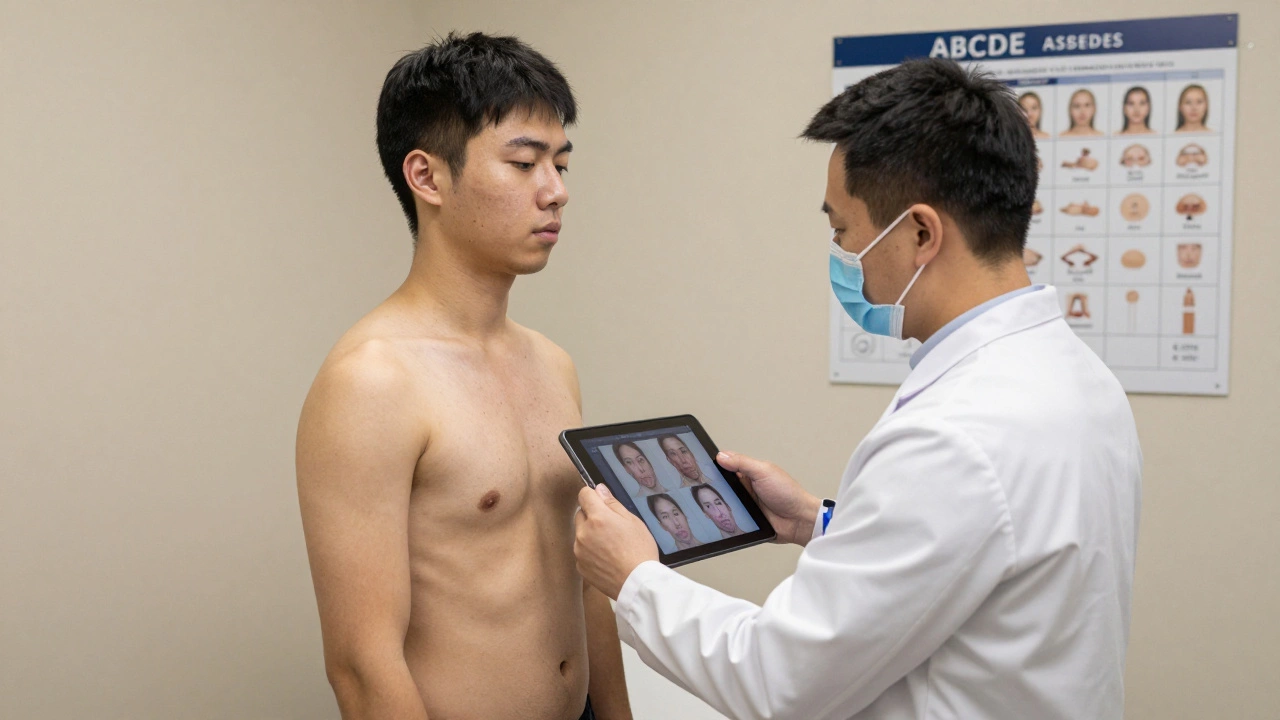
- Watch for changes. Use the ABCDE rule for moles: Asymmetry, Border irregularity, Color variation, Diameter larger than 6mm, Evolving size or shape.
- Wear loose, breathable clothing if you have rashes or sensitive skin.
These aren’t just tips-they’re proven ways to reduce the need for medical intervention. Prevention is the most powerful tool in dermatology.
Is a dermatology clinic only for serious skin problems?
No. Dermatology clinics serve both medical and cosmetic concerns. Even if you’re just worried about sun spots, fine lines, or stubborn acne, a dermatologist can help. Regular checkups are recommended for early detection of skin cancer and managing chronic conditions like eczema or psoriasis.
Can a dermatologist treat hair loss?
Yes. Dermatologists are trained to diagnose the cause of hair loss-whether it’s genetic, hormonal, stress-related, or due to an underlying condition like thyroid disease or iron deficiency. Treatments can include topical solutions, oral medications, or laser therapy.
Do I need a referral to see a dermatology clinic?
In many places, including New Zealand, you can book directly with a private dermatology clinic without a referral. However, if you’re using public health services or insurance, a referral from your GP may be required for coverage. Always check with your provider.
Are dermatology clinic visits covered by insurance?
Medical dermatology visits-like those for skin cancer screening, eczema, or psoriasis-are often covered by health insurance. Cosmetic procedures like Botox or laser hair removal usually aren’t. Always confirm coverage before booking, and ask if the clinic accepts your insurance plan.
How long does a typical dermatology appointment take?
First visits usually last 30 to 60 minutes because the dermatologist needs to review your history and do a full-body exam. Follow-up visits for ongoing conditions typically take 15 to 30 minutes. Procedures like mole removal may extend the time slightly.
Final Thought: Your Skin Is a Mirror
Your skin doesn’t just reflect your health-it can reveal what’s happening inside. A rash might signal an allergy. Dry, flaky skin could point to a nutrient deficiency. A mole that changes shape might be your body’s earliest warning of cancer. A dermatology clinic gives you access to experts who know how to read those signs. It’s not about vanity. It’s about catching problems before they become serious. And in places like New Zealand, where UV exposure is among the highest in the world, that kind of care isn’t optional-it’s essential.