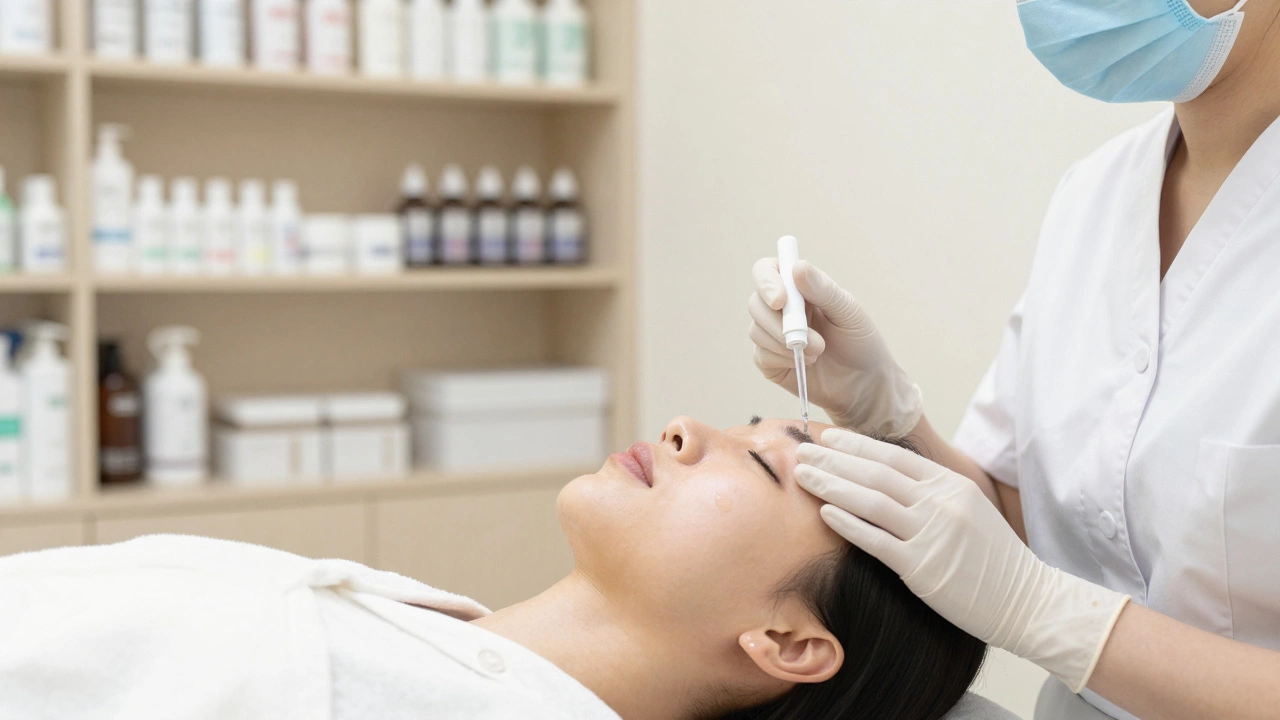
Cosmetic Treatment Comparison Tool
Find the best treatment for your needs
Answer a few questions to see which treatments are most suitable for you. This tool helps compare key factors like cost, downtime, and results duration.
When people ask what cosmetic treatments are available today, they’re not just looking for a list. They want to know what actually works, what’s safe, and what fits their life. With so many options out there-from quick injectables to full surgical makeovers-it’s easy to feel overwhelmed. The good news? You don’t need to pick the most expensive or extreme option to see real results. Let’s break down the most common cosmetic treatments, how they work, and who they’re really for.
Non-Surgical Skin Treatments
These are the most popular choices because they require little to no downtime. If you’re looking to smooth fine lines, even out skin tone, or boost collagen without cutting into your skin, these are where most people start.
- Chemical peels use acids like glycolic, salicylic, or TCA to remove the top layers of skin. A light peel can brighten dull skin after just one session. Deeper peels tackle sun damage and acne scars but need a week or more to heal.
- Microdermabrasion sands away dead skin with tiny crystals or a diamond-tipped wand. It’s gentle, takes about 30 minutes, and leaves skin feeling smoother. Most people do it monthly for ongoing glow.
- LED light therapy uses different colored lights to target acne (blue), reduce redness (red), or stimulate collagen (infrared). It’s often paired with facials and has zero recovery time.
- Radiofrequency and ultrasound treatments like Thermage and Ultherapy heat deeper skin layers to tighten loose skin on the face, neck, or jawline. Results build over 2-6 months and can last up to two years.
These treatments are ideal for people who want subtle improvements without going under the knife. They’re also great for maintaining results after surgery.
Injectables: Wrinkles, Volume, and Contouring
Injectables are the most requested cosmetic treatments worldwide. They work fast, require no anesthesia, and most people go back to work the same day.
- Botox and similar neuromodulators block nerve signals to muscles, relaxing them. This smooths dynamic wrinkles-like frown lines, crow’s feet, and forehead creases. Effects last 3-6 months. It’s not for filling hollows; it’s for stopping movement.
- Dermal fillers are gels made of hyaluronic acid (like Juvederm, Restylane) or calcium hydroxylapatite (Radiesse). They restore lost volume in cheeks, lips, under eyes, and jawline. Results are immediate and last 6-18 months depending on the product and area.
- Profhilo is a newer injectable that doesn’t add volume. Instead, it hydrates and stimulates collagen and elastin across the face and neck. It’s perfect for thin, tired-looking skin.
Injectables aren’t one-size-fits-all. A skilled provider will assess your bone structure, skin thickness, and muscle movement before deciding what to use and where. Overuse can lead to a frozen or puffy look-so choose experience over price.
Laser and Light-Based Treatments
Laser treatments go deeper than peels or microdermabrasion. They’re used for pigment, texture, and even hair removal.
- Fraxel and other fractional lasers create tiny zones of damage in the skin, triggering healing. They’re excellent for acne scars, sun spots, and enlarged pores. Downtime is 3-7 days, but results can last years.
- Intense Pulsed Light (IPL) targets redness and brown spots caused by sun exposure or rosacea. It’s not a laser, but it’s just as effective for even skin tone. Usually done in 3-5 sessions.
- CO2 and Erbium lasers are ablative, meaning they remove outer skin layers. They’re the gold standard for deep wrinkles and severe sun damage. Recovery takes 1-2 weeks, but the results are dramatic and long-lasting.
- Laser hair removal uses targeted light to destroy hair follicles. It works best on dark hair and light skin, but newer devices handle darker tones safely. Most need 6-8 sessions for lasting reduction.
These treatments require trained professionals. A bad laser session can burn, scar, or change skin pigmentation permanently. Always ask to see before-and-after photos of people with your skin tone.

Non-Surgical Body Contouring
Want to reduce stubborn fat without liposuction? These treatments target fat cells without cutting.
- CoolSculpting freezes fat cells using controlled cooling. Treated fat cells die and are naturally flushed over 2-4 months. It works on love handles, belly, and thighs. No downtime, but results are subtle.
- Ultrasound body treatments like UltraShape or Liposonix use focused sound waves to break down fat. Similar to CoolSculpting, but better for smaller areas like arms or under the chin.
- Radiofrequency body tightening (e.g., Vanquish, Exilis) heats fat and tightens skin at the same time. Good for mild to moderate loose skin after weight loss.
These aren’t weight-loss tools. They’re for people at or near their ideal weight who have stubborn pockets of fat. Multiple sessions are needed, and results vary based on metabolism and skin elasticity.
Cosmetic Surgery: When It’s the Right Choice
Surgery is permanent, carries risks, and needs recovery time. But for significant changes-like reshaping the nose, lifting sagging skin, or changing body proportions-it’s still the most effective option.
- Rhinoplasty reshapes the nose. It can fix breathing issues and improve facial balance. Recovery takes 2-3 weeks, but swelling can last months.
- Blepharoplasty removes excess skin and fat from eyelids. It makes you look less tired and can improve vision if skin is drooping.
- Facelift lifts and tightens skin on the lower face and neck. Modern techniques focus on lifting deeper tissues, not just pulling skin. Results last 8-12 years.
- Breast augmentation and lift change size, shape, or position. Implants come in silicone or saline, and shapes vary from round to teardrop. Recovery is 4-6 weeks.
- Liposuction removes fat through small incisions. It’s not for obesity-it’s for sculpting. Best results come when combined with good skin tone.
Every surgery has risks: infection, scarring, asymmetry, or unsatisfactory results. Choose a board-certified plastic surgeon with proven experience in your desired procedure. Ask to see at least 20 before-and-after photos of their actual patients.
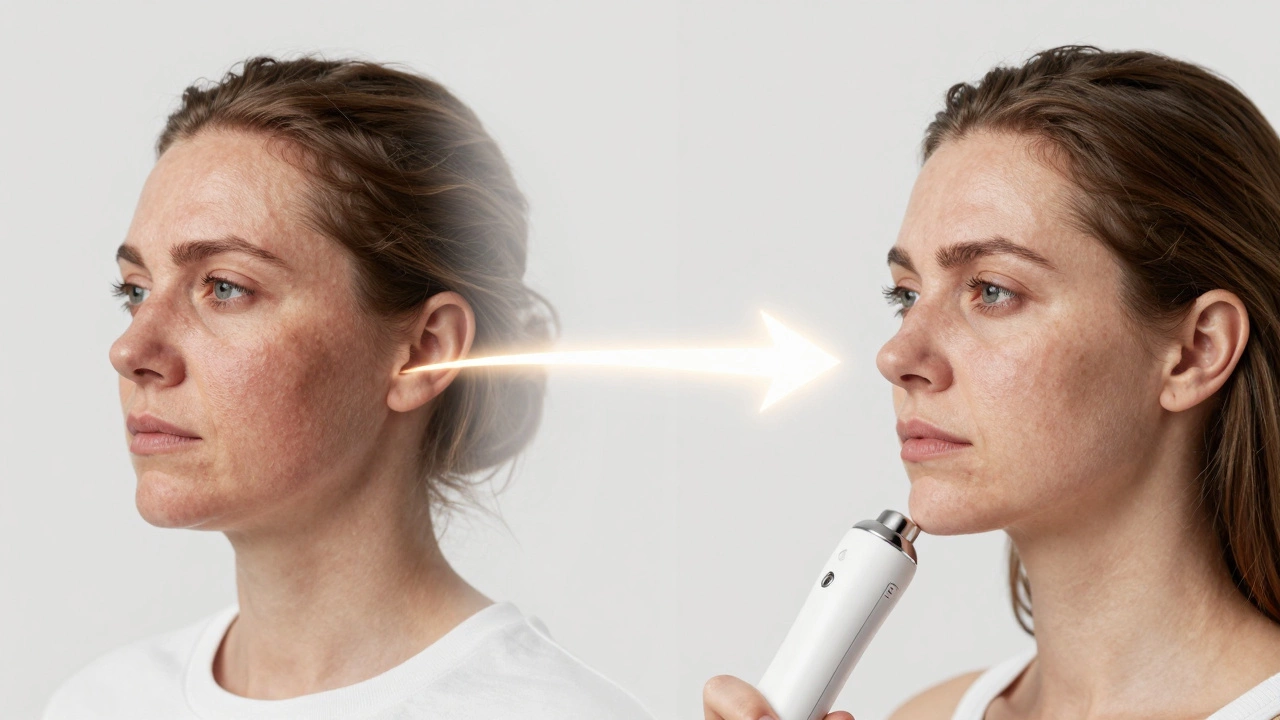
Combining Treatments for Better Results
Most people don’t do just one thing. A common plan might be: Botox for frown lines, fillers for cheeks, a chemical peel for glow, and laser for sun spots-all spaced out over a few months.
Some treatments even enhance others. For example, radiofrequency skin tightening can make fillers last longer by improving skin support. Laser resurfacing after a facelift can smooth fine lines that surgery doesn’t touch.
The key is timing. Don’t rush. Let your skin heal between procedures. A good provider will map out a plan over 6-12 months, not cram everything into one week.
What to Avoid
Not all treatments are created equal-and some are outright dangerous.
- DIY peels or injectables bought online. There’s no regulation. People have gone blind from improper filler injections.
- Unlicensed clinics offering “discount” Botox or laser. They may use diluted or fake products.
- “Miracle” creams that promise to erase wrinkles like surgery. No topical product can replicate the effect of a filler or laser.
- Pressure to commit on your first visit. Reputable providers encourage consultation, research, and second opinions.
Always check credentials. In New Zealand, look for registration with the Medical Council or the Australian Society of Plastic Surgeons. If it sounds too good to be true, it is.
Realistic Expectations
Cosmetic treatments aren’t magic. They enhance what you have-they don’t turn you into someone else. A good result looks natural. People should notice you look refreshed, not “done.”
Results also fade. Botox wears off. Fillers break down. Skin continues to age. Maintenance is part of the process. Most people return for touch-ups every 6-18 months.
Costs vary widely. A Botox session might be $300-$600. A full facelift can cost $10,000-$20,000. Always ask for a full breakdown: surgeon’s fee, anesthesia, facility, follow-ups.
There’s no rush. Take your time. Talk to more than one provider. Look at reviews from real patients-not just before-and-after shots.
What works for your friend might not work for you. Your skin, bone structure, and goals are unique. The best treatment is the one that fits your life-not the trend.
Are cosmetic treatments safe?
Most cosmetic treatments are safe when performed by qualified professionals. Non-surgical options like injectables and laser treatments have low risk when done correctly. Surgical procedures carry higher risks, including infection, scarring, and reactions to anesthesia. Always choose licensed providers with proven experience. Avoid clinics offering extremely low prices-they often cut corners on safety or product quality.
How long do cosmetic treatments last?
It depends on the treatment. Botox lasts 3-6 months. Dermal fillers last 6-18 months. Laser skin resurfacing can last several years. Surgical results like a facelift or rhinoplasty are permanent, but your skin will continue to age naturally. Maintenance treatments are common and expected.
Can I combine multiple cosmetic treatments?
Yes, many people combine treatments for better results. For example, Botox with fillers, or a chemical peel after laser resurfacing. But timing matters. You need to let skin heal between procedures. A skilled provider will create a phased plan over months, not rush you into multiple treatments at once.
What’s the difference between a dermatologist and a cosmetic surgeon?
Dermatologists focus on skin health and non-surgical treatments like lasers, peels, and injectables. Cosmetic surgeons are trained in surgical procedures like facelifts, rhinoplasty, and liposuction. Some professionals are trained in both. Choose based on your goal: skin issues? See a dermatologist. Structural changes? See a cosmetic surgeon.
Do cosmetic treatments hurt?
Most treatments involve minimal discomfort. Injectables may sting briefly. Lasers feel like a rubber band snap. Numbing creams or local anesthesia are commonly used. Surgical procedures require anesthesia and some post-op pain, which is managed with medication. Pain tolerance varies, but most people find the discomfort manageable.
How much do cosmetic treatments cost?
Costs vary widely. Botox: $300-$600 per session. Fillers: $600-$1,200 per syringe. Laser skin resurfacing: $1,000-$3,000. Facelifts: $10,000-$20,000. Always ask for a full quote including all fees-surgeon, facility, anesthesia, follow-ups. Avoid hidden charges.
Are there natural alternatives to cosmetic treatments?
Skincare routines with retinoids, vitamin C, sunscreen, and hydration can improve skin texture and slow aging. Lifestyle factors like sleep, stress management, and diet also help. But they won’t replace injectables, lasers, or surgery for significant changes. Natural methods support results-they don’t replace them.
What should I look for in a provider?
Look for board certification, experience with your specific concern, and a portfolio of real patient results. Ask how many times they’ve performed the procedure. Read reviews from multiple sources. Avoid providers who push expensive packages or pressure you into immediate treatment. Trust your gut-if something feels off, walk away.
Can men get cosmetic treatments too?
Absolutely. Men are one of the fastest-growing groups seeking cosmetic treatments. Popular options include Botox for forehead lines, fillers to define the jawline, laser hair removal, and skin resurfacing. Men’s skin is thicker, so dosing and technique differ. Look for providers experienced with male anatomy.
Is there an ideal age to start cosmetic treatments?
There’s no set age. Some people start in their 20s with preventive skincare or light peels. Others wait until their 40s or 50s for more noticeable changes. The best time is when you’re ready and have realistic goals-not because of social pressure. Prevention and early maintenance often lead to better long-term results.