Makeup Brand Matchmaker
Why it fits:
Walk into any Sephora or look at a viral TikTok trend, and you will see the same names popping up again and again. But who actually runs the show? The global beauty market is worth over $600 billion, and while thousands of indie labels launch every year, only a handful hold the real power. Knowing these top players helps you understand where your money goes, what ingredients are trending, and which products have the backing to last.
This isn't just about picking a favorite lipstick. It's about understanding the giants that shape trends, supply chains, and even sustainability standards. From the high-end allure of Chanel to the accessible hits from e.l.f., here are the ten most influential makeup brands in the world right now.
The Luxury Heavyweights
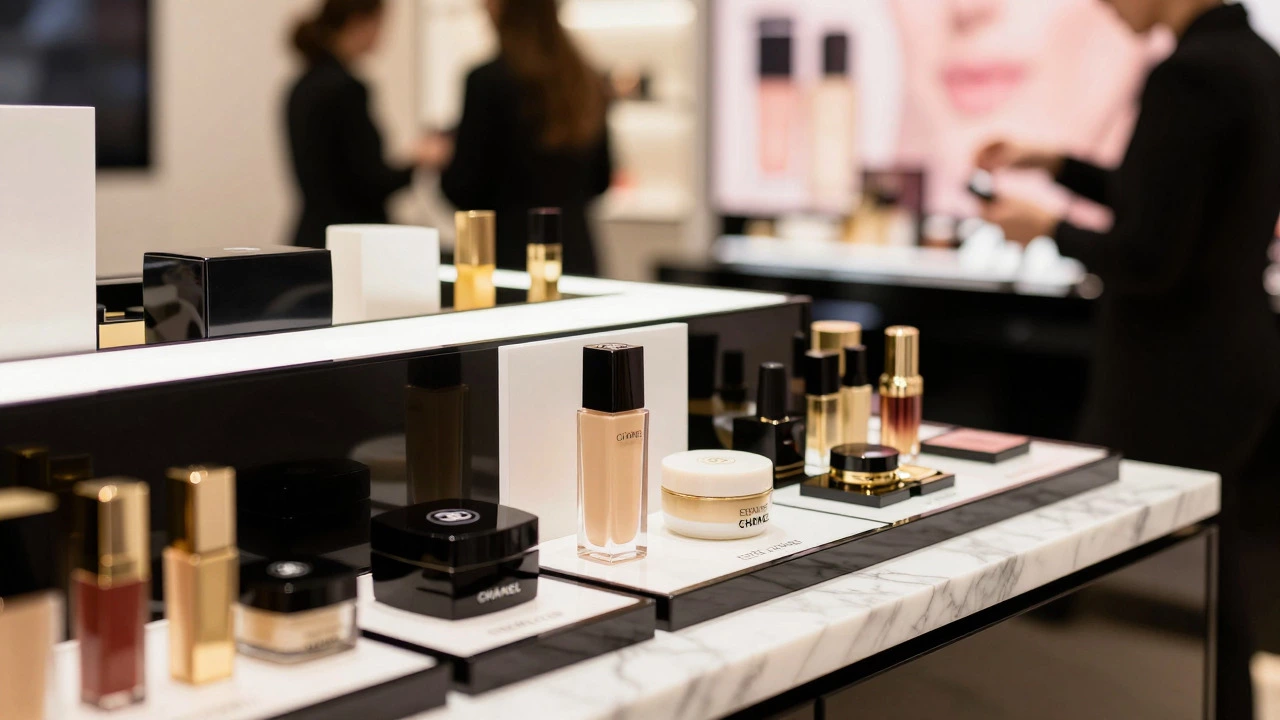
When we talk about prestige, certain names carry weight simply because of their heritage. These brands don't just sell makeup; they sell an image of sophistication that has been cultivated for decades.
Estée Lauder is a pioneer in the prestige beauty sector, founded by Estée Lauder herself in 1946. Today, it stands as one of the largest publicly traded beauty companies globally. Their portfolio includes iconic lines like Clinique, MAC Cosmetics, and Bobbi Brown. If you walk into a department store, the Estée Lauder family brand often anchors the counter with its Double Wear foundation, a staple for professionals needing long-lasting coverage.
Then there is L'Oréal Paris, but not the mass-market version you find in supermarkets. We are talking about L'Oréal Luxe, the division that houses Yves Saint Laurent Beauty, Kiehl's, and La Mer. YSL Beauty, in particular, has mastered the art of "beauty tech," introducing devices like the Touche Éclat pen that revolutionized concealer application worldwide. They dominate the European luxury market and have a massive footprint in Asia.
Chanel remains the gold standard for elegance. Unlike many competitors, Chanel keeps strict control over its distribution. You won't find Chanel makeup on random e-commerce sites. This exclusivity drives demand. Their Rouge Allure lipsticks and Les Beiges skincare-makeup hybrids set the tone for what "effortless chic" looks like in the current decade.
The Digital Natives and Indie Disruptors
The rules changed in the 2010s. Brands started launching without physical stores, relying entirely on social media and direct-to-consumer sales. These companies moved faster than legacy giants.
Fenty Beauty, launched by Rihanna in 2018, didn't just release a product line; it forced the entire industry to change. By offering 40 shades of foundation at launch, Fenty exposed how poorly other brands served people of color. This move created the "Fenty Effect," where inclusivity became a non-negotiable requirement for new launches. Their Killawatt highlighters remain cult favorites among makeup artists globally.
Huda Beauty represents the rise of the influencer-entrepreneur. Huda Kattan built her empire starting with blog reviews before launching her own eyeshadow palettes. Her Desert Dusk palette was so popular it sold out instantly upon release. Huda Beauty excels in marketing, creating visual content that stops users mid-scroll. They also expanded into skincare and hair care, proving that a strong personal brand can cross categories easily.
Glossier took a different approach. Instead of heavy coverage, they promoted the "no-makeup makeup" look. Founded by Emily Weiss, Glossier built a community first, asking followers what they wanted before making products. Their Boy Brow mascara and Cloud Paint blushes became staples for Gen Z consumers who valued authenticity over perfection. While they faced some operational challenges recently, their impact on aesthetic-driven branding is undeniable.
The Mass-Market Giants
Not everyone wants to spend $50 on a lipstick. The biggest volume sellers are often the ones accessible to millions.
MAYBELLINE NEW YORK is arguably the most recognized name in affordable beauty. Owned by L'Oréal, Maybelline brings technology downmarket. When L'Oréal invents a new pigment formula, Maybelline adapts it for a lower price point. Their Sky High mascara and Fit Me foundation consistently rank as best-sellers on Amazon and in drugstores worldwide. They prove that quality doesn't always require a luxury price tag.
e.l.f. Cosmetics has become the darling of the budget-conscious consumer. With a slogan of "eyes lips face," they offer incredibly low prices (often under $10) without sacrificing performance. Their Halo Glow liquid filter and Putty Blush have gone viral repeatedly. e.l.f. is also notable for being cruelty-free and vegan-friendly across most of its range, appealing to ethically minded shoppers who can't afford higher-end clean beauty brands.
NARS sits in a unique middle ground. Founded by François Nars, it started as a professional artist brand and moved into retail. Known for bold, provocative packaging and highly pigmented products, NARS dominates the blush and lipstick categories. The Orgasm blush is a generational classic. NARS appeals to those who want professional-grade intensity but still shop at mainstream retailers like Ulta or Sephora.
Global Reach and Cultural Impact
Some brands win by mastering specific regional markets before going global.
Sulwhasoo represents the boom of Korean beauty (K-Beauty). As a premium brand under Amorepacific, Sulwhasoo focuses on traditional herbal medicine principles. While known for skincare, their makeup line emphasizes skin health first. This philosophy-prepping the canvas rather than masking it-has influenced Western beauty routines significantly. Their products are pricey but command loyalty in East Asia and increasingly in North America.
MAC Cosmetics deserves special mention for its cultural penetration. Originally designed for stage and film, MAC brought professional techniques to the public. Their partnership with musicians and designers for limited-edition collections created a collector culture around makeup. The Ruby Woo lipstick is perhaps the most famous red lip in history. MAC also pioneered inclusive shade ranges before it was trendy, working closely with diverse communities to ensure representation.
| Brand | Price Point | Key Strength | Target Audience |
|---|---|---|---|
| Fenty Beauty | Premium | Inclusivity & Innovation | Diverse Skin Tones |
| e.l.f. Cosmetics | Budget | Affordability & Viral Hits | Gen Z / Students |
| Chanel | Luxury | Exclusivity & Heritage | Affluent Consumers |
| Maybelline | Mass Market | Accessibility & Reliability | General Public |
| Huda Beauty | Premium | Marketing & Eyeshadows | Social Media Users |
Why Brand Choice Matters Beyond Price
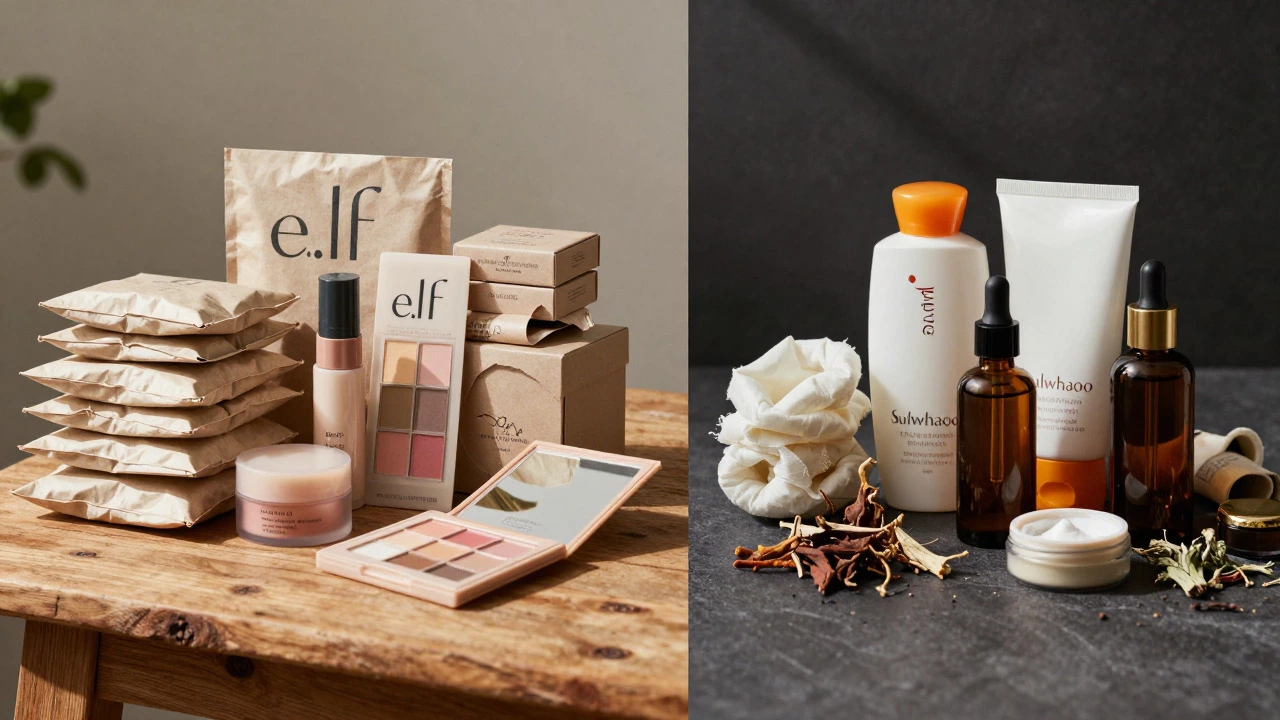
You might wonder why it matters if you buy from Chanel or e.l.f. besides the cost. It comes down to formulation ethics and sustainability. Luxury brands often invest more in proprietary research, leading to longer shelf lives and better preservation systems. However, indie and digital-native brands often lead in transparency, listing full ingredient decks and committing to refillable packaging earlier than legacy corporations.
For example, Fenty Beauty and e.l.f. have both made significant strides in eco-friendly packaging, using recycled materials and reducing plastic waste. Meanwhile, brands like Estée Lauder are slowly catching up with large-scale recycling initiatives. Your purchase vote influences which practices get scaled up.
How to Choose the Right Brand for You
Don't just follow the hype. Ask yourself three questions:
- What is my skin type? Oily skin might benefit from the matte finishes of Fenty or NARS, while dry skin may prefer the hydrating formulas of Glossier or Sulwhasoo.
- Where do I shop? If you love browsing in person, Sephora-exclusive brands like Fenty or Rare Beauty offer a better experience. If you prefer online deals, e.l.f. and Maybelline dominate e-commerce.
- What values matter? If cruelty-free is non-negotiable, check the Leaping Bunny certification. Many luxury brands still test in countries where it's required by law, whereas e.l.f. and Glossier are strictly cruelty-free.
The top 10 list changes slightly depending on whether you measure by revenue, social engagement, or critical acclaim. But these ten brands consistently appear at the top because they solve problems, create desire, and maintain quality. Whether you're splurging on a Chanel lipstick or grabbing a bargain from e.l.f., you're participating in a global conversation about beauty, identity, and self-expression.
Which makeup brand is the most expensive?
Luxury brands like Chanel, Dior, and Tom Ford typically command the highest prices. A single lipstick from these houses can cost between $40 and $60, driven by brand heritage, exclusive distribution, and premium packaging.
Is e.l.f. Cosmetics considered a good quality brand?
Yes, e.l.f. is widely regarded as offering exceptional value. Despite its low price point, it uses similar base ingredients to higher-end brands and frequently wins awards for performance, particularly in mascaras and primers.
Who owns Fenty Beauty?
Fenty Beauty is owned by LVMH (Moët Hennessy Louis Vuitton), the French multinational conglomerate. Rihanna serves as the creative director and co-founder.
Are all top makeup brands cruelty-free?
No. Many luxury brands like Chanel and Estée Lauder sell in mainland China, where animal testing was historically required by law (though regulations are loosening). Brands like e.l.f., Glossier, and Fenty Beauty are certified cruelty-free.
What is the difference between drugstore and prestige makeup?
Drugstore makeup (like Maybelline) is sold in mass retailers and focuses on affordability and accessibility. Prestige makeup (like Chanel or NARS) is sold in specialty boutiques or department stores, often featuring higher concentrations of active ingredients, more luxurious textures, and stronger brand storytelling.