Find Your Beauty Brand Parent Company
Select up to 3 brands from the list below to reveal their parent company, market focus, and ethical alignment.
Your Beauty Portfolio Analysis
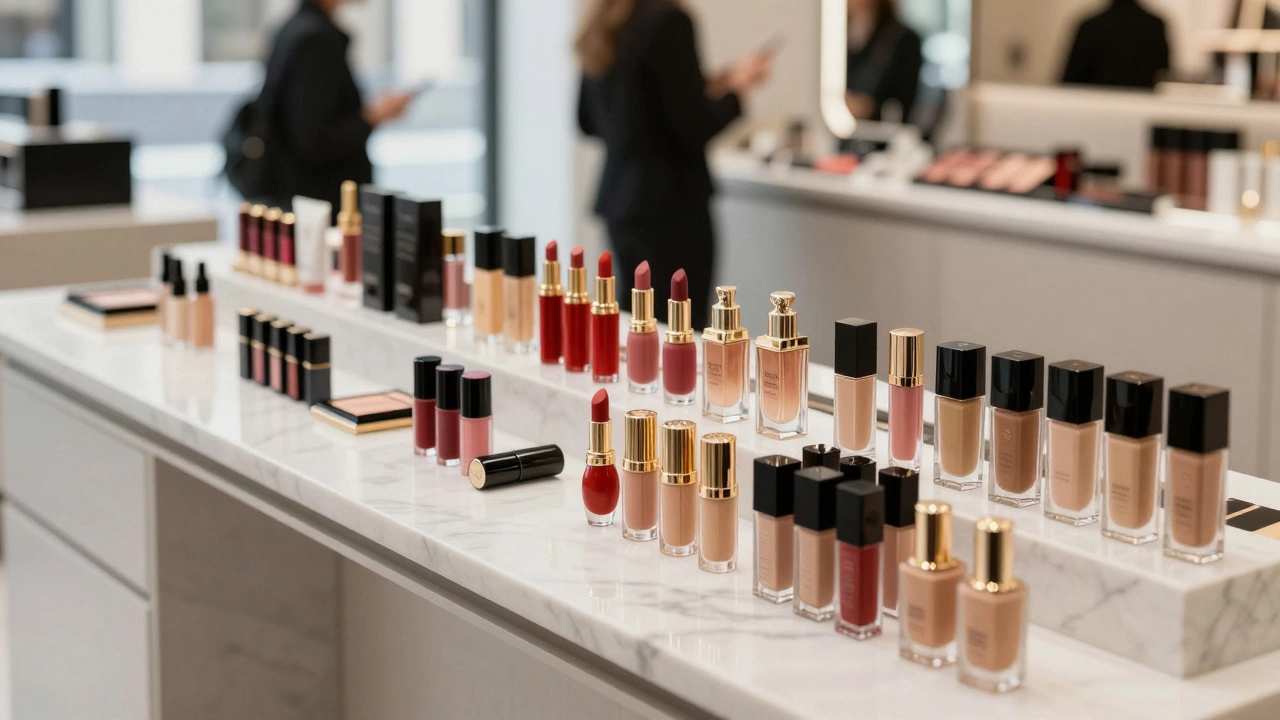
Walk into any drugstore or browse your favorite online retailer, and you’ll see hundreds of lipstick shades, foundation formulas, and skincare serums. But have you ever stopped to wonder who actually owns those brands? It’s a common surprise for most shoppers to realize that the "big" names in beauty aren’t independent family businesses anymore. They are part of massive global conglomerates.
In 2026, the cosmetic industry is more consolidated than ever. A handful of giants control the majority of the market share, influencing everything from ingredient sourcing to marketing trends. Knowing which company stands behind your favorite tube of mascara helps you understand where your money goes and what kind of values-like sustainability or cruelty-free practices-you’re supporting.
Quick Takeaways
- L'Oréal Group remains the undisputed global leader, owning over 30 major brands across luxury, professional, and mass markets.
- Estée Lauder Companies dominates the prestige sector with iconic names like Clinique and MAC, focusing heavily on direct-to-consumer sales.
- Shiseido continues to bridge Eastern and Western beauty standards, leveraging advanced biotechnology in its skincare lines.
- The top ten list includes a mix of heritage European houses, Japanese innovators, and aggressive private equity-backed challengers.
- Ownership matters: knowing the parent company helps you navigate ethical concerns regarding animal testing and environmental impact.
Why Parent Companies Matter More Than Ever
You might think Nivea and Kiehl's have nothing in common. One feels like a pharmacy staple; the other screams boutique apothecary. Yet, both fall under the umbrella of different corporate giants that dictate their research budgets, supply chains, and expansion strategies. In 2026, the distinction between "brand" and "company" is critical for savvy consumers.
When you buy from a large conglomerate, you benefit from economies of scale. These companies can invest billions in R&D (Research and Development), leading to breakthroughs in ingredients like retinol alternatives or sustainable packaging materials. However, this consolidation also means fewer truly independent voices in the industry. Understanding the hierarchy helps you make informed choices about quality, ethics, and brand loyalty.
1. L'Oréal Group: The Undisputed King
If there is one name that defines the modern cosmetic industry, it is L'Oréal Group. Founded in Paris in 1909, this French multinational has grown into the largest beauty company in the world by revenue. As of 2026, L'Oréal operates through four distinct divisions: Consumer Products, Professional Products, Luxury, and Active Cosmetics.
Their portfolio is staggering. Under the Consumer Products division, you find household names like Maybelline, Garnier, and NYX Professional Makeup. These brands dominate drugstores and supermarkets globally, offering accessible price points without sacrificing trendiness. On the flip side, their Luxury division houses high-end powerhouses such as Lancôme, Yves Saint Laurent Beauty, and Kiehl's.
What sets L'Oréal apart is its sheer scale and technological integration. They were early adopters of AI-driven skin analysis tools and virtual try-on technology. For the average consumer, this means better product recommendations and a seamless shopping experience, whether you're at a Sephora counter or scrolling on an app.
2. Estée Lauder Companies: The Prestige Powerhouse
While L'Oréal casts a wide net, Estée Lauder Companies Inc. focuses intensely on the prestige and luxury segments. Based in New York, this American giant was built on the personal brand of its founder, but today it is a sophisticated machine for managing diverse beauty identities.
Their crown jewel is obviously the Estée Lauder brand itself, known for its Advanced Night Repair serum-a cult classic that has sold millions of units worldwide. But don't let the flagship overshadow the rest of the roster. Estée Lauder owns Clinique, which pioneered fragrance-free dermatological skincare; MAC Cosmetics, the go-to for professional makeup artists; and Jo Malone London, a leader in niche fragrances.
In recent years, Estée Lauder has faced challenges from digital-native brands, but they have responded aggressively by acquiring smaller, trendy labels like Drunk Elephant and Too Faced. This strategy allows them to capture younger demographics while maintaining their authority in the high-end market.
3. Shiseido Company: The Science of Beauty
Originating in Tokyo in 1872, Shiseido Company is not just a cosmetics maker; it is one of the oldest retail pharmacies in the world. Today, Shiseido is renowned for combining traditional Japanese aesthetics with cutting-edge biotechnology. Their approach to skincare is deeply rooted in the concept of "skin health" rather than just surface-level coverage.
Shiseido’s portfolio includes the flagship Shiseido line, alongside popular brands like NARS, Clé de Peau Beauté, and Biotherm. NARS, in particular, has become a staple in the makeup community for its bold, artistic color palettes and innovative formulations.
One of Shiseido’s strongest assets is its research infrastructure. They operate several research centers globally, focusing on cellular biology and skin physiology. This scientific rigor translates into products that often lead trends in anti-aging and hydration, appealing to consumers who prioritize efficacy over hype.

4. Coty Inc.: The Aggressive Acquirer
Coty Inc. takes a different path. Unlike L'Oréal or Estée Lauder, which grew organically and through selective acquisitions, Coty has been defined by massive, debt-fueled buyouts. Headquartered in New York, Coty aims to be the third-largest beauty player globally by volume.
Their strategy revolves around owning entire categories. In fragrance, Coty is a behemoth, controlling Calvin Klein, Versace, and Dolce & Gabbana beauty licenses. In color cosmetics, they own Rimmel, CoverGirl, and Wet n Wild. Recently, they acquired M.A.C? No, wait-that’s Estée Lauder. Coty snapped up Make Up For Ever and Burt’s Bees, expanding their reach into clean beauty.
Coty’s model is risky but potentially rewarding. By bundling fragrances and makeup, they create cross-selling opportunities that smaller competitors can’t match. However, critics argue that their heavy debt load limits long-term innovation compared to cash-rich rivals like L'Oréal.
5. Unilever: The Mass Market Titan
Don’t overlook Unilever. While primarily known for food and home care, Unilever’s beauty and personal care division is a colossus. This British-Dutch multinational sells affordable, everyday essentials to billions of people, particularly in emerging markets across Asia, Africa, and Latin America.
Unilever’s beauty portfolio includes Dove, Vaseline, Simple, and TRESemmé. Dove, in particular, has redefined the conversation around body positivity and self-esteem, using its massive platform for social advocacy. This emotional connection drives immense brand loyalty.
For the budget-conscious consumer, Unilever is king. Their distribution networks are unmatched, ensuring that even in remote villages, you can find a bottle of Sunsilk shampoo or a bar of Lux soap. In 2026, Unilever continues to push sustainability initiatives, aiming for plastic neutrality across its packaging.
6. Kose Corporation: Japan’s Hidden Gem
Another Japanese giant, Kose Corporation, plays a significant role in the Asian beauty market. Known for its expertise in sun protection and whitening technologies, Kose has successfully exported its products to Western markets through brands like Sk-II and Biore.
Sk-II is perhaps the most fascinating case study here. Originally a Japanese brand, it became a global luxury sensation thanks to its Pitera™ ingredient, derived from yeast fermentation. Kose’s ability to maintain Sk-II’s exclusivity while scaling production is a testament to their operational prowess. Additionally, Kose owns Jill Stuart and Decorté, catering to various price points within the prestige segment.
7. Avon Products: The Direct Selling Pioneer
Avon Products may seem like a relic of the past, but it remains a top player due to its unique direct-selling model. Founded in 1886, Avon relies on a vast network of independent representatives who sell door-to-door or via social media. This human-centric approach builds strong community ties, especially in regions where e-commerce penetration is lower.
Avon’s product range spans makeup, skincare, fragrances, and accessories. While it has struggled to attract Gen Z consumers compared to digital-first brands, its loyal customer base in older demographics keeps it relevant. In 2026, Avon is attempting a digital transformation, integrating online catalogs with its rep network to stay competitive.
8. Natura & Co: The Sustainable Challenger
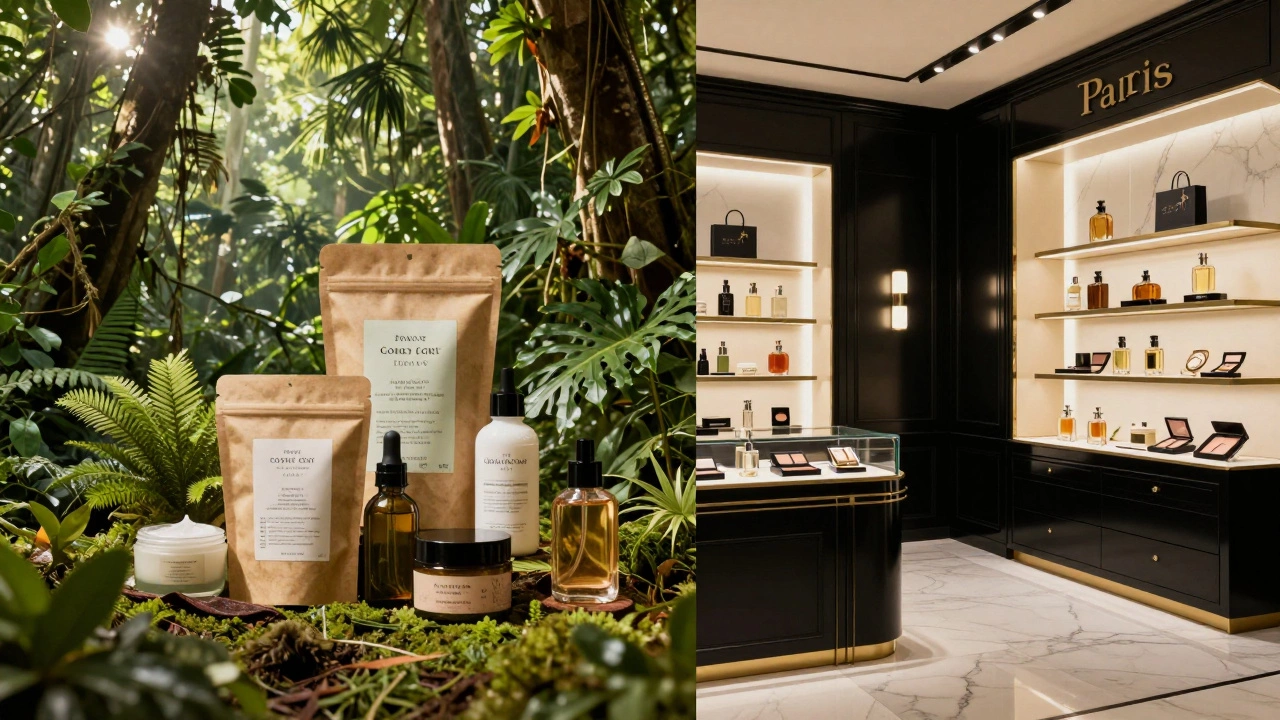
Brazil’s Natura & Co is reshaping the industry’s definition of success. Unlike traditional corporations focused solely on profit, Natura prioritizes social impact and sustainability. Their flagship brand, Natura, sources ingredients from the Amazon rainforest, working directly with local communities to ensure fair trade practices.
Natura also owns Aesop, an Australian premium skincare brand beloved for its minimalist aesthetic and literary-inspired packaging. The acquisition of Aesop allowed Natura to enter the high-end Western market while reinforcing its commitment to ethical sourcing. For eco-conscious consumers, Natura & Co represents a viable alternative to conventional giants.
9. Procter & Gamble (P&G): The Household Name
Like Unilever, Procter & Gamble is a diversified consumer goods company with a powerful beauty division. P&G’s strength lies in its ability to manage multiple brands across different categories without diluting their individual identities.
In hair care, P&G dominates with Olaplex, Head & Shoulders, and Pantene. Olapex, in particular, revolutionized the bond-building treatment space, becoming a salon staple worldwide. In oral care, Oral-B leads the electric toothbrush market. P&G’s focus on science-backed solutions appeals to consumers seeking reliability and proven results.
10. Chanel Parfums Beauté: The Luxury Icon
Rounding out the top 10 is Chanel Parfums Beauté. Although Chanel is privately held and doesn’t disclose full financials, its influence is undeniable. Chanel’s beauty division, separate from its fashion house, generates billions in annual revenue driven by iconic fragrances like Coco Mademoiselle and N°5, as well as makeup lines featuring the legendary Rouge Allure lipsticks.
Chanel excels in branding and exclusivity. They rarely discount their products, maintaining an aura of desirability. For luxury seekers, Chanel isn’t just a purchase; it’s a status symbol. Their vertical integration-from design to manufacturing to retail boutiques-ensures total control over the customer experience.
| Company | Headquarters | Key Brands | Primary Focus |
|---|---|---|---|
| L'Oréal Group | Paris, France | Lancôme, Maybelline, Kiehl's | All segments (Mass to Luxury) |
| Estée Lauder Companies | New York, USA | Clinique, MAC, Jo Malone | Prestige & Luxury |
| Shiseido Company | Tokyo, Japan | NARS, Clé de Peau, Biotherm | Science-led Skincare & Makeup |
| Coty Inc. | New York, USA | Calvin Klein, CoverGirl, Burt’s Bees | Fragrance & Color Cosmetics |
| Unilever | London/Netherlands | Dove, Vaseline, TRESemmé | Mass Market Essentials |
| Kose Corporation | Tokyo, Japan | SK-II, Biore, Decorté | Asian Beauty Tech |
| Avon Products | New York, USA | Avon | Direct Sales |
| Natura & Co | São Paulo, Brazil | Natura, Aesop | Sustainable & Ethical Beauty |
| Procter & Gamble | Cincinnati, USA | Olaplex, Pantene, Oral-B | Hair Care & Oral Health |
| Chanel Parfums Beauté | Paris, France | Chanel Fragrances & Makeup | Ultra-Luxury |
How to Choose Based on Your Values
Knowing the top companies is only half the battle. The next step is aligning your purchases with your personal values. If you prioritize cruelty-free practices, look toward Natura & Co or specific brands within L'Oréal that have achieved Leaping Bunny certification. Note that some parent companies still test on animals where required by law (like China), so check the specific brand policy.
For those concerned about sustainability, Unilever and Natura & Co are leading the charge with recyclable packaging and carbon-neutral goals. Conversely, if you seek clinical efficacy, Shiseido and P&G (via Olapex) offer robust scientific backing for their claims.
Finally, consider price point. L'Oréal and Unilever provide excellent value for money, while Estée Lauder and Chanel cater to those willing to pay a premium for brand heritage and exclusive formulations. There is no "best" company-only the best fit for your needs.
Is L'Oréal really the biggest cosmetic company?
Yes. As of 2026, L'Oréal Group consistently ranks as the largest beauty company globally by revenue, surpassing competitors like Estée Lauder and Coty. Its diverse portfolio across all market segments contributes to its dominant position.
Which cosmetic companies are cruelty-free?
It varies by brand and region. Natura & Co is widely recognized for its cruelty-free stance. Within larger groups like L'Oréal, many brands (e.g., NYX, Maybelline) are certified cruelty-free in markets where animal testing is not legally mandated. Always check for Leaping Bunny or PETA certification for the specific product line.
Who owns MAC Cosmetics?
MAC Cosmetics is owned by the Estée Lauder Companies Inc. It remains one of their most profitable and culturally influential brands, particularly among professional makeup artists and younger consumers.
Are these companies publicly traded?
Most are, including L'Oréal, Estée Lauder, Shiseido, Coty, Unilever, Kose, Avon, Natura & Co, and P&G. Chanel, however, is privately held by the Wertheimer family, meaning its financial details are not fully public.
Why does ownership matter when buying makeup?
Ownership dictates ethical policies, ingredient sourcing, and pricing strategies. Knowing the parent company helps you avoid supporting practices you disagree with (such as animal testing or environmental harm) and ensures you get the quality assurance associated with large-scale R&D investments.