Salon vs. Home Care Cost Calculator
Salon Visit Details
Annual Financial Impact
$0
Cost Breakdown
Savings Insight: If you switched to home care, you could save this amount annually for high-quality tools and organic products instead. The "hidden cost" is often the tip + upsells combined.
Walking into a local beauty salon is a commercial establishment offering personal grooming services like haircuts, manicures, and facials often feels like stepping into a sanctuary. The scent of lavender, the soft music, the promise of looking refreshed-it’s a powerful draw. But have you ever stopped to consider what happens behind that velvet rope? While salons provide convenience and expertise, they come with a set of distinct downsides that many clients overlook until it’s too late. From hidden financial traps to genuine health risks, understanding the flip side of professional beauty treatments is crucial for making informed decisions about your self-care routine.
We tend to view these services as purely beneficial, but the reality is more complex. You are handing over control of your body, your time, and your wallet to strangers in an environment that isn’t always as sterile or transparent as it appears. Whether you are booking a simple manicure or a chemical peel, there are structural issues within the industry that affect every client. Let’s look at the real drawbacks, not just the marketing fluff.
The Financial Trap: More Than Just the Service Fee
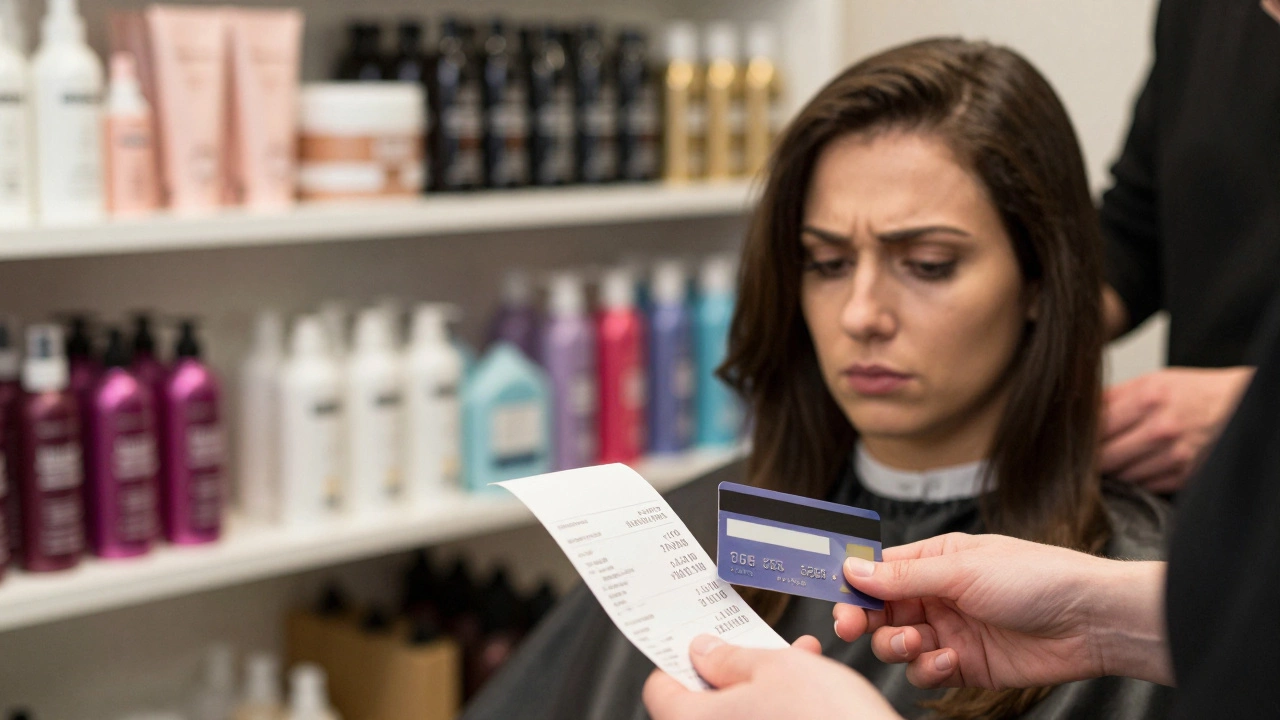
The most immediate disadvantage of visiting a salon is the cost, but it’s rarely just the price listed on the menu. When you book a haircut for $50, you aren’t paying $50. You’re paying for the stylist’s commission, the rent of the chair, the overhead of utilities, and often, a mandatory tip. In cities like Auckland or New York, tipping culture can add 15% to 25% to your bill instantly. If you forget this, you might leave feeling resentful rather than relaxed.
Then there are the upsells. This is a standard business model in the industry. You go in for a trim, and suddenly you’re being sold a deep-conditioning treatment, a scalp massage, and a bottle of shampoo that “only works” with their specific products. These aren’t always malicious; stylists need to make a living. However, for the consumer, it creates a pressure-cooker environment where saying “no” feels rude. Over a year, these small additions can double the actual cost of your maintenance. You end up spending hundreds of dollars on products you never asked for, cluttering your bathroom shelf while draining your bank account.
Consider the math. A monthly facial might cost $80. That’s $960 a year. Could that money be better spent on high-quality skincare products used at home? Often, yes. The frequency of salon visits required to maintain certain looks-like balayage hair color or gel nails-creates a recurring expense that feels less like self-care and more like a subscription fee you can’t cancel without looking bad.
Hygiene Risks and Health Concerns
This is the heavy hitter. No matter how clean a salon looks, the risk of infection is always present. Salon hygiene is the practice of maintaining sanitary conditions in beauty establishments to prevent disease transmission varies wildly between locations. You might walk into a place that smells fresh, but are they actually sterilizing tools properly?
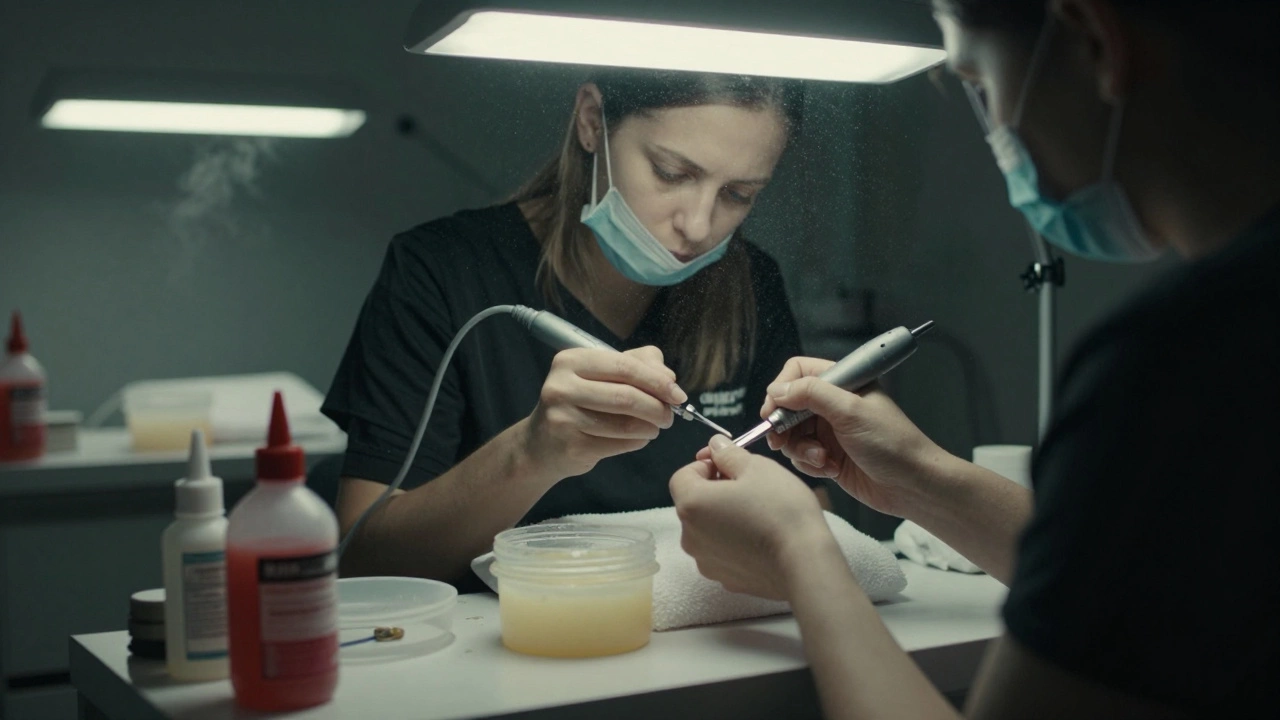
Take manicures, for example. Fungal infections like onychomycosis are rampant in nail salons. If a technician uses the same electric file bit on multiple clients without proper autoclaving (high-heat sterilization), they are transferring microorganisms from one person’s nail bed to another. I’ve seen technicians wipe down tools with alcohol spray and call it a day. Alcohol does not kill fungal spores. It needs heat and pressure. Unless you see an autoclave machine in the back, you are taking a gamble with your health.
Skin infections are another major concern. During waxing or threading, if the skin is broken even slightly, bacteria like Staphylococcus aureus can enter. If the wax pot isn’t changed frequently enough, or if the technician touches your face after touching a dirty surface, you risk folliculitis or even more serious bacterial infections. There have been documented cases of hepatitis and HIV transmission in poorly regulated tattoo and piercing studios, which operate under similar hygiene principles as salons. While rare, the stakes are incredibly high.
Furthermore, consider the air quality. Many salons use strong chemicals-hair dyes containing ammonia, perms with thioglycolate, and acrylic nail monomers. These release volatile organic compounds (VOCs) into the air. Sitting in that environment for hours, breathing in those fumes, can trigger asthma, headaches, and long-term respiratory issues. For pregnant women or those with sensitive immune systems, this exposure is particularly dangerous. You aren’t just getting a service; you’re inhaling industrial-grade chemicals.
The Time Commitment and Scheduling Hassles
We live in a fast-paced world, yet beauty services remain stubbornly slow. Booking a comprehensive salon visit often requires planning weeks in advance. Popular stylists have waitlists that stretch months. If you want a specific look for a wedding or event, you can’t just show up. You need to coordinate your life around someone else’s calendar.
Once you’re there, the time sink begins. A simple cut might take 45 minutes, but with consultation, washing, cutting, blow-drying, and styling, it easily becomes two hours. Add in the travel time to get there and back, and you’ve lost half your day. Compare this to at-home alternatives. With modern tools and tutorials, many basic grooming tasks can be done in 20 minutes in your own bathroom. The convenience factor heavily favors staying home, especially for busy professionals or parents.
There’s also the issue of no-shows and last-minute cancellations. If your stylist cancels, you’re left scrambling. If you cancel, you might lose a deposit. This lack of flexibility adds stress to what should be a relaxing experience. You become dependent on the availability of others, which can be frustrating when you just want to feel put-together quickly.
Inconsistency and the Human Error Factor
Perhaps the most unpredictable aspect of salons is the variability in skill. One day, your stylist listens perfectly and delivers exactly what you wanted. The next month, they misinterpret your request, cut too much off, or use the wrong tone of color. Because beauty is subjective, communication gaps are frequent. You say “just a trim,” and they give you a bob. You ask for “natural brown,” and they give you red highlights.
This inconsistency leads to anxiety. You start walking in with your heart racing, hoping today is the good day. If you rely on a specific stylist, what happens when they quit? You have to start the trust-building process all over again with a new person. This dependency is risky. Unlike buying a product where the quality is consistent, service quality fluctuates based on the mood, fatigue, and skill level of the individual provider on that specific day.
Moreover, not all salons employ licensed professionals. In some regions, regulations are lax. You might be sitting in a chair operated by someone who completed a three-month course versus someone with five years of experience. Without strict oversight, the margin for error increases. A bad haircut takes weeks to grow out. A chemical burn from a bleach mishap can cause permanent damage. The risk-reward ratio often doesn’t balance out for minor services.
Environmental Impact and Ethical Concerns
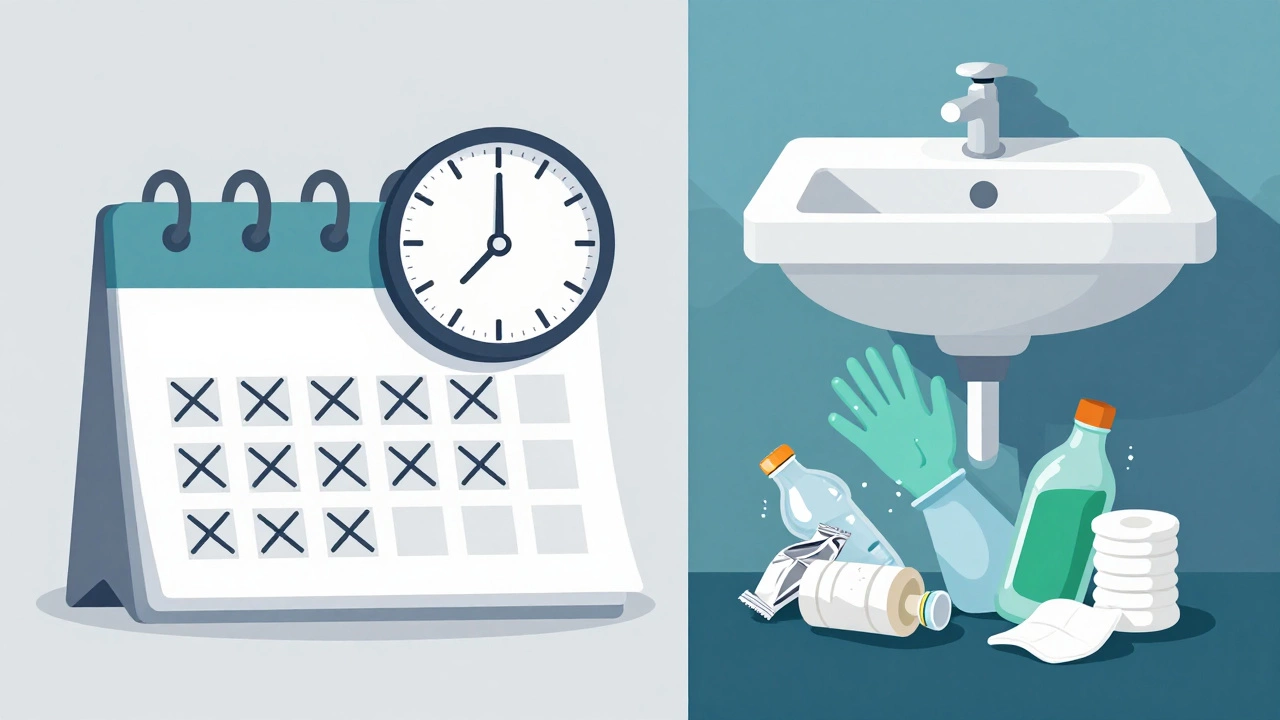
Beyond personal cost and health, there’s the broader impact. The beauty industry is a significant contributor to plastic waste and water pollution. Single-use gloves, foil wrappers, plastic bottles of shampoos, and cotton pads pile up rapidly. Most salons do not have robust recycling programs. All that waste ends up in landfills.
Additionally, many traditional salon products contain harsh chemicals that wash down the drain, entering our water systems. Ingredients like parabens, sulfates, and formaldehyde releasers are common in hair straightening and nail hardening treatments. These substances disrupt ecosystems and pose long-term environmental hazards. If you value sustainability, supporting a conventional salon might conflict with your values unless you specifically seek out eco-friendly, green-certified establishments-which are fewer in number and often more expensive.
When to Skip the Salon: A Decision Guide
So, does this mean you should never go to a salon? Not necessarily. Professional expertise has its place, especially for complex color corrections or medical-grade skincare. However, for routine maintenance, the disadvantages often outweigh the benefits. Here is a quick guide to help you decide:
- Stick to Home Care For: Basic trims, blowouts, simple manicures, and regular moisturizing routines. Invest in good tools (shears, brushes) and learn via reputable online tutorials.
- Visit a Salon For: Complex color changes, corrective cuts, specialized treatments like keratin bonds (if done safely), and events where precision is critical.
- Avoid Salons If: You have open wounds, active skin infections, severe allergies to chemicals, or if the salon lacks visible sterilization equipment.
By shifting some of your routine to at-home care, you save money, reduce health risks, and reclaim your time. It’s about being intentional with where you spend your resources. Don’t let the glamour blind you to the practical realities. Your beauty routine should empower you, not exploit you.
Are beauty salons safe regarding hygiene?
Safety varies significantly by location. Reputable salons use autoclaves to sterilize metal tools and dispose of single-use items like files and buffers. However, many smaller shops may only wipe tools with alcohol, which does not kill fungal spores or viruses. Always observe if tools are opened from sealed packages or stored in a glass-door sterilizer. If you see shared metal nippers or clippers that haven't been visibly sterilized, consider leaving.
Why are beauty salon services so expensive?
Salons operate on thin margins due to high overhead costs including rent, insurance, utility bills, and product inventory. Stylists often pay a commission or rent their chair, meaning they must charge higher rates to earn a livable wage. Additionally, prices reflect the stylist's training and experience level. Tipping expectations further increase the final cost for the consumer.
Can salon chemicals cause health problems?
Yes, prolonged exposure to volatile organic compounds (VOCs) found in hair dyes, perms, and acrylic nails can irritate the respiratory system, trigger asthma, and cause headaches. Some ingredients, such as formaldehyde in certain hair smoothing treatments, are classified as carcinogens with long-term exposure. Pregnant women and individuals with compromised immune systems should be particularly cautious and opt for natural, low-fume alternatives.
Is it better to get haircuts at home or at a salon?
For simple maintenance trims, home cuts are more cost-effective and convenient, saving you time and money. However, for complex styles, color corrections, or precise structural changes, a professional salon is safer to avoid costly mistakes. The key is balancing the complexity of the task against the risk of human error and financial cost.
How can I avoid upselling at a beauty salon?
Set clear boundaries before the service begins. State explicitly what you want and what you don't want. For example, say, "I am here for a cut only, please do not suggest additional treatments." Be polite but firm. Remember, you are the customer, and you are not obligated to purchase extra services or products. Pre-paying for the specific service can also help lock in the scope of work.