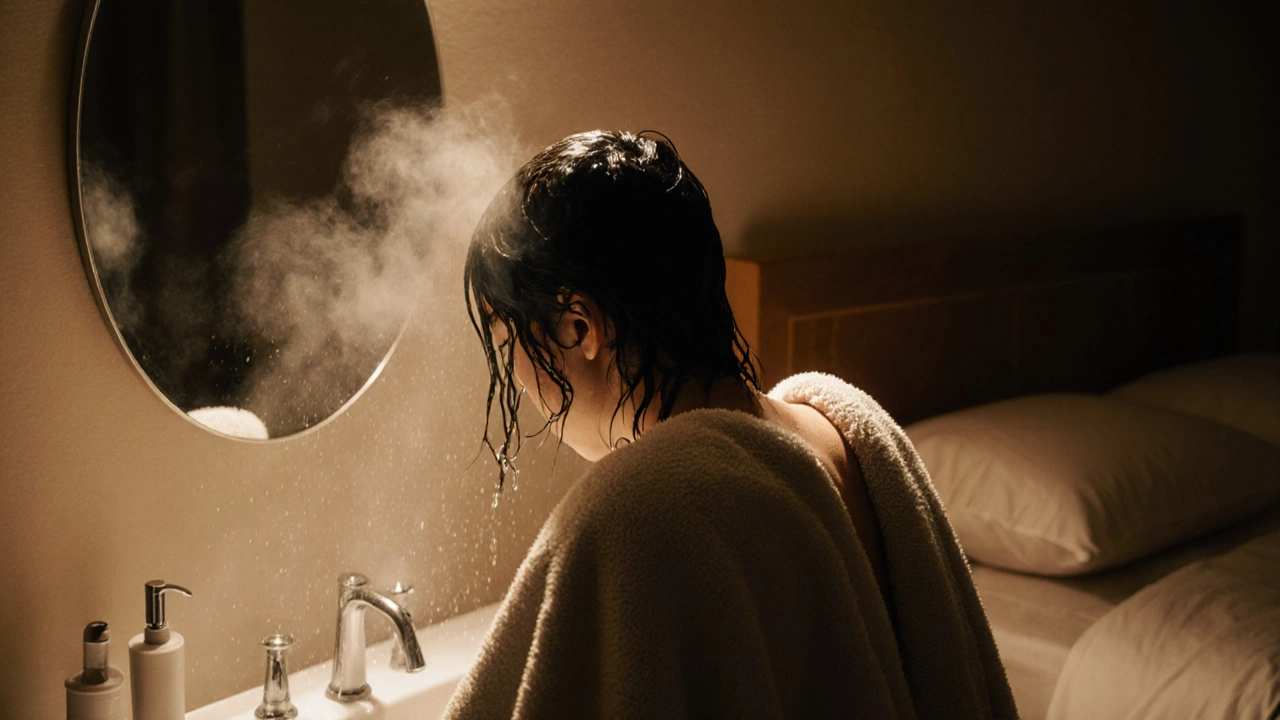
Wash Hair in Morning: Why Timing Matters for Healthier Hair
When you wash hair in morning, the act of cleansing your scalp and strands right after waking up. Also known as morning hair washing, it’s a simple habit that can change how your hair looks, feels, and grows over time. Most people assume nighttime is the best time to clean hair—but what if your morning routine is actually the secret to less greasiness, fewer breakouts, and more volume?
Washing hair in morning isn’t just about freshness—it’s about managing scalp health, the condition of your skin where hair grows. Overnight, your scalp produces sebum, sweat, and collects dead skin cells. If you don’t wash it, those build up, clogging follicles and leading to itchiness or thinning. A morning wash clears that out before styling, pollution, or heat tools hit your hair. It’s like hitting reset before the day starts. And for people with fine or oily hair, skipping nighttime washes and going straight to morning can reduce over-cleansing, which often backfires by making hair greasier faster.
There’s also a link between hair washing routine, the consistent pattern of when and how you clean your hair and hair growth. Studies show that people who wash their hair daily—especially in the morning—tend to have fewer tangles and less breakage because they’re not sleeping on dirty strands. Plus, morning washing lets you style with clean, light hair that holds volume better. Think of it like shaving in the morning: your skin’s cleaner, your tools work better, and you look sharper all day.
But it’s not one-size-fits-all. If you have curly or dry hair, washing too often can strip natural oils. That’s why some people wash every other day—but still choose morning. The key isn’t frequency alone—it’s timing. Washing in the morning gives your hair time to recover naturally throughout the day, instead of sitting under a pillow all night with product buildup or sweat. It also means you’re not rushing to wash before bed after a long day, which often leads to sloppy rinsing or skipping conditioner.
And here’s something most people miss: washing hair in morning can help with hair care timing, choosing the best window for treatments and products. If you apply leave-in conditioners, serums, or heat protectants, doing it after a morning wash means they sit on clean hair and actually work. No layering over grease. No product buildup. Just clean strands absorbing what they need.
Some swear by nighttime washing for relaxation. But if your hair feels limp by noon, your scalp itches by afternoon, or your curls lose shape fast—you might be washing at the wrong time. The real question isn’t whether you wash daily. It’s whether you’re washing when your hair needs it most.
Below, you’ll find real guides on how to adjust your routine, what products work best after a morning wash, and how to avoid common mistakes that ruin even the best intentions. Whether you’re trying to grow your hair, fight frizz, or just feel cleaner all day, the answer might start with your shower schedule—and the time you choose to turn on the water.
Is It Better to Wash Your Hair at Night or in the Morning? The Real Science Behind Hair Washing Times
Washing your hair at night reduces heat damage, prevents scalp buildup, and helps your style last longer. Science shows it’s better for most hair types than morning washes.
Read More