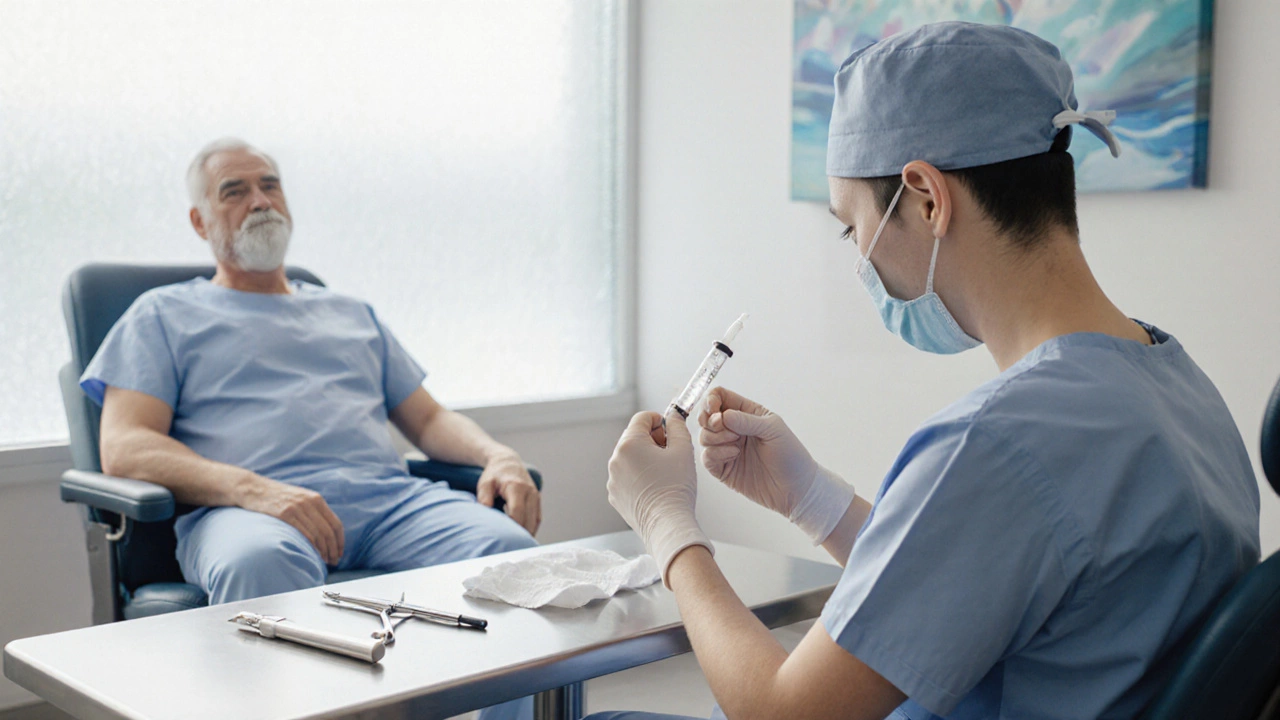
Simple Surgical Procedures: What They Are, How They Work, and What to Expect
When people think of surgery, they often imagine big operations with long hospital stays. But simple surgical procedures, minimally invasive treatments performed in outpatient clinics that require little to no overnight stay. Also known as minor surgery, these are everyday fixes that help people look better, feel better, or just get rid of something annoying—like a mole, excess skin, or a blocked duct. You don’t need to be scared of them. Many are done under local anesthesia, take less than an hour, and let you walk out the same day.
These procedures sit right where beauty and medicine overlap. Think of them as the middle ground between a facial and an operating room. They’re more involved than a chemical peel but way less intense than a full tummy tuck. Common examples include dental implants, surgical placement of artificial tooth roots to restore function and appearance, top surgery, chest masculinization or breast reduction for gender affirmation or comfort, and even small skin excisions for cysts or suspicious moles. These aren’t just cosmetic—they fix real problems. A dental implant isn’t just about looks; it stops bone loss and lets you eat normally. Top surgery isn’t just about appearance; it reduces anxiety and improves quality of life.
What makes these procedures "simple" isn’t just how short they are—it’s how predictable they are. Recovery time is usually measured in days, not weeks. Most people go back to work within 24 to 48 hours. Pain? It’s usually mild and manageable with over-the-counter meds. That’s why so many people choose them over big surgeries. You avoid hospital fees, long recovery, and the stress of general anesthesia. But that doesn’t mean they’re risk-free. Every cut, stitch, or injection carries some chance of infection, scarring, or uneven results. That’s why choosing the right provider matters more than the price.
These procedures are also where money and medicine get messy. You’ll find people flying overseas for affordable top surgery, gender-affirming chest procedures performed at lower costs in countries with lower healthcare prices, or traveling to get dental work done at a fraction of UK prices. But cheap doesn’t always mean safe. The posts below show real stories—from people who saved thousands abroad to those who ended up paying more to fix mistakes. There’s no shortcut to good results, even when the procedure itself is simple.
And it’s not just about the surgery. It’s about what comes after. Recovery isn’t just healing—it’s managing swelling, avoiding sun, knowing when to call your doctor, and understanding that redness isn’t always infection. Some people think because it’s "minor," they can ignore aftercare. That’s when things go wrong. The best outcomes come from people who follow instructions, ask questions, and don’t rush back to normal life too soon.
What you’ll find in the posts below aren’t ads or hype. They’re real breakdowns: what hurts, how long it takes to heal, what it actually costs, and who it’s really for. You’ll see comparisons between clinics, stories from people who’ve been through it, and clear advice on spotting red flags. Whether you’re thinking about removing a skin tag or considering top surgery, this collection gives you the unfiltered facts—not the polished Instagram version.
What Is the Least Serious Surgery? A Practical Guide to Low‑Risk Procedures and Costs
Explore the least serious surgeries, their costs, recovery times and how to choose a private provider. A clear guide for low‑risk procedures in New Zealand.
Read More