NHS Free Treatment: What’s Covered and What’s Not
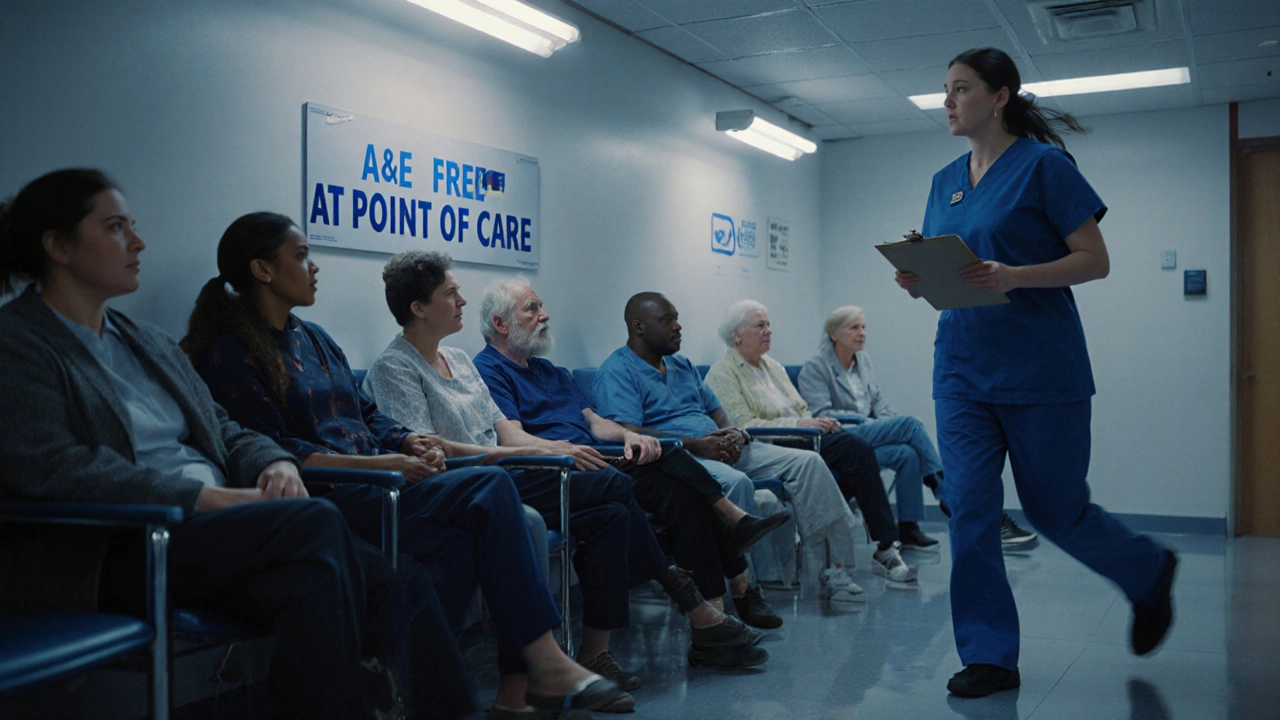
When people talk about NHS free treatment, healthcare services provided by the UK’s National Health Service without direct patient charges. Also known as publicly funded healthcare, it covers everything from broken bones to diabetes care—but not much when it comes to beauty. Most cosmetic procedures you see advertised online, from Botox to lip fillers, aren’t included. The NHS isn’t a spa. It’s a medical system built to treat illness, not enhance appearance.
There are exceptions, but they’re narrow. If you have a medical condition that affects your physical health or mental wellbeing—like severe facial scarring from burns, breast asymmetry after cancer surgery, or gender dysphoria—you might qualify for cosmetic surgery NHS, surgical procedures performed to restore function or alleviate psychological distress caused by physical conditions. For example, a mastectomy followed by reconstruction is covered. So is rhinoplasty if your nose is broken and breathing is impaired. But if you want to change your nose because you don’t like the shape? That’s private. Same goes for skin treatments. If you have severe acne causing scarring or psoriasis that’s unresponsive to medication, you might get laser therapy or prescription creams. But a chemical peel for glowing skin? Not happening.
Many people assume the NHS offers free anti-aging treatments or hair restoration, but that’s not true. free skincare NHS, dermatological care provided at no cost under the NHS for diagnosed medical conditions is limited to conditions that cause pain, infection, or serious discomfort. Dry skin from eczema? Covered. Fine lines from sun damage? Not a medical issue. Even things like varicose vein removal are only approved if they’re causing ulcers or chronic pain—not just because they look unattractive.
The line between medical and cosmetic is blurry, and that’s where confusion sets in. Some clinics market procedures as "therapeutic" to trick people into thinking they’re eligible. They’re not. The NHS has strict guidelines, and doctors follow them. If you’re told you can get free fillers for sagging cheeks, it’s likely a private clinic using misleading language. The NHS doesn’t pay for elective beauty upgrades. Ever.
What you can get for free on the NHS? Basic skin cancer checks, acne treatment with prescription retinoids, hair loss therapy if linked to a hormonal disorder, and even some dental work if it’s medically necessary. But if it’s about looking younger, smoother, or more symmetrical without a diagnosed condition, you’re on your own. That’s not a flaw—it’s the system’s design. The NHS prioritizes health over aesthetics. And while that might feel frustrating, it keeps costs down and care focused where it matters most.
Below, you’ll find real posts that break down what’s actually possible, what to watch out for, and how to make smart choices whether you’re paying out of pocket or hoping for NHS support. No fluff. Just facts.
Does it cost money to go to the hospital in the UK? Here's what you actually pay
In the UK, hospital care is free for residents through the NHS, but visitors may be charged. Learn who pays, what’s covered, and how to avoid unexpected bills.
Read More