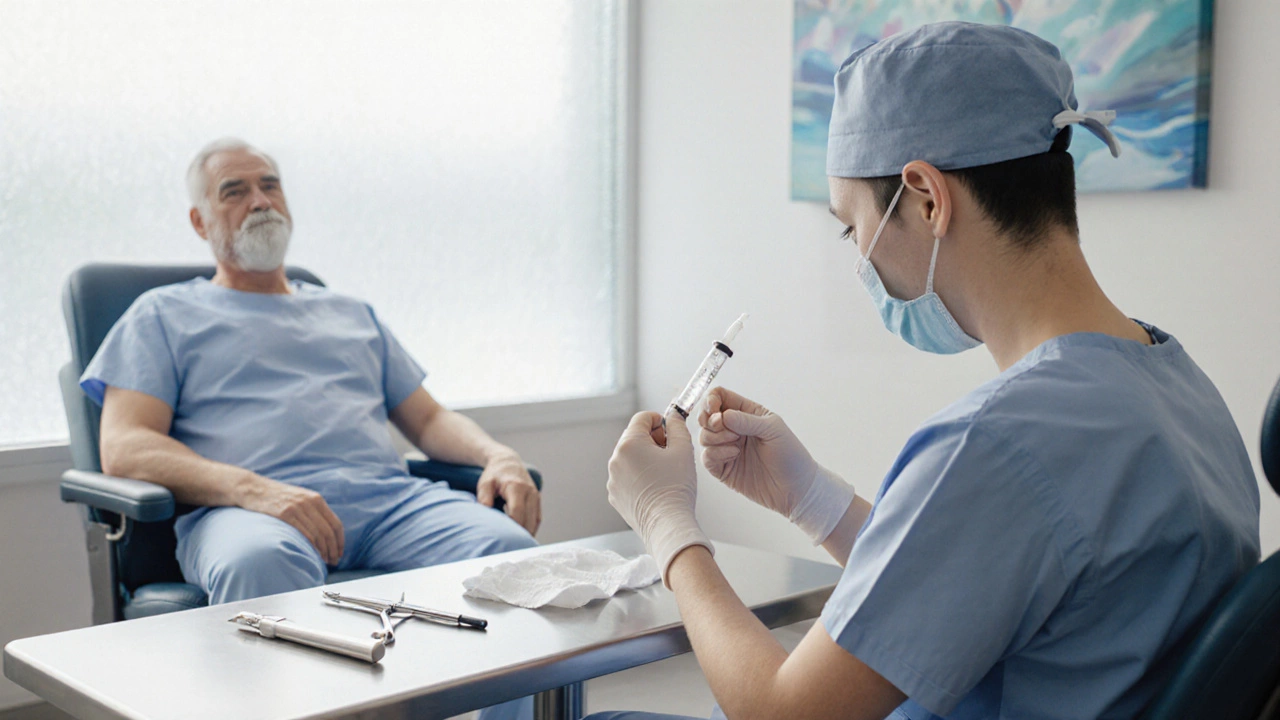
Minor Surgery Cost: What You Really Pay for Small Cosmetic Procedures
When people talk about minor surgery cost, a category of low-risk, outpatient procedures that don’t require an overnight hospital stay. Also known as outpatient surgery, it includes everything from mole removal and earlobe repair to laser skin resurfacing and minor fat reduction treatments. These aren’t big operations like a tummy tuck or breast augmentation—they’re quick, targeted, and often done in a clinic under local anaesthetic. But that doesn’t mean they’re cheap or simple to budget for.
What you pay isn’t just the surgeon’s fee. It’s the consultation, the anaesthetic, the aftercare, the follow-ups, and sometimes even the special dressings or creams they recommend. A lot of clinics advertise low prices to grab attention, but then add extras you didn’t expect. One person paid £150 for a skin tag removal, only to find out later the price didn’t include the biopsy or the follow-up check. Another spent £400 on a chin fat reduction, but the clinic used a cheaper device that needed three sessions instead of one. That’s why knowing what’s included matters more than the headline number.
Some cosmetic surgery cost, the total expense for procedures aimed at improving appearance rather than treating medical conditions. Also known as aesthetic treatments, it overlaps heavily with minor surgery—think injectables, thread lifts, or chemical peels. But here’s the catch: if something sounds too good to be true, it probably is. A £99 eyelid lift might use outdated tools or unlicensed staff. You’re not just paying for the tool—you’re paying for the skill, the safety record, and the clinic’s ability to handle complications if they happen. That’s why checking qualifications isn’t optional. Look for surgeons registered with the GMC, clinics with CQC ratings, and before-and-after photos from real patients—not stock images.
And don’t forget recovery. Even minor surgery can mean a few days off work. You might need painkillers, ice packs, or special skincare. Some people assume they can drive home after a procedure, only to find their vision is blurry or their face is swollen. That’s not failure—it’s normal. But if no one warned you, it’s a sign the clinic isn’t transparent.
What’s Actually Covered in a Minor Surgery Quote?
Ask for a line-by-line breakdown. Good clinics will give you one. It should list: the procedure, the anaesthetic type, the surgeon’s fee, facility use, post-op care, and any follow-ups. If it doesn’t, walk away. You wouldn’t buy a car without knowing what’s under the hood. Don’t do it with your skin either.
Below, you’ll find real breakdowns of what people actually paid for common minor procedures—from lipoma removal to spider vein treatment. No fluff. No marketing spin. Just what worked, what didn’t, and how much it cost in practice.
What Is the Least Serious Surgery? A Practical Guide to Low‑Risk Procedures and Costs
Explore the least serious surgeries, their costs, recovery times and how to choose a private provider. A clear guide for low‑risk procedures in New Zealand.
Read More