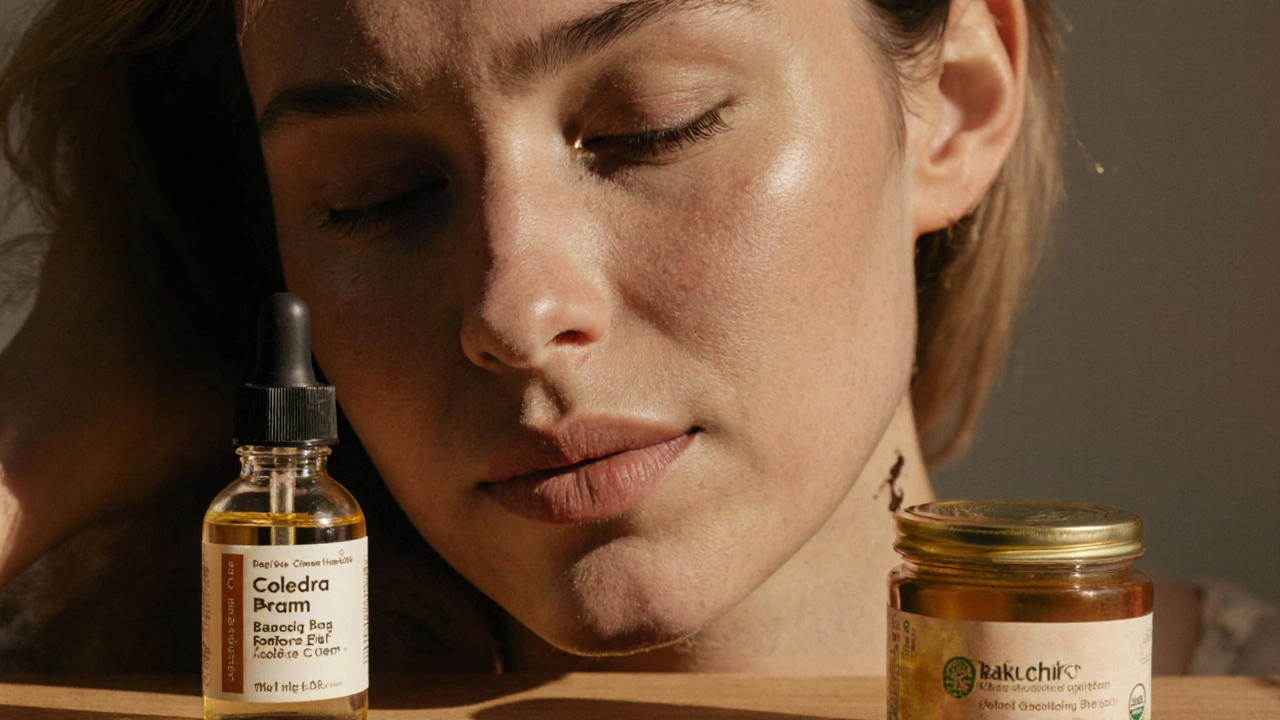
Best Anti-Aging Products: What Actually Works and What to Avoid
When it comes to best anti-aging products, skincare formulas designed to reduce wrinkles, improve skin texture, and slow visible signs of aging. Also known as anti-aging skincare, these products aren’t magic—they’re science. And not all of them are worth your money. The market is flooded with creams that promise youth, but only a few have real evidence backing them up. If you’ve ever stared at a shelf of serums wondering which one will actually make a difference, you’re not alone.
The real winners? retinol, a vitamin A derivative that boosts cell turnover and stimulates collagen. Also known as tretinoin in prescription form, it’s the most studied anti-aging ingredient out there. Then there’s hyaluronic acid, a molecule that holds up to 1,000 times its weight in water, plumping skin and reducing fine lines. Also known as HA, it doesn’t fix damage—but it makes skin look instantly fuller and healthier. And don’t overlook vitamin C, an antioxidant that fights free radicals and brightens dull skin. Also known as L-ascorbic acid, it works best when paired with sunscreen. These three are the foundation of any serious anti-aging routine. Skip the fancy fragrances, glitter, and buzzwords like "miracle" or "revolutionary." They don’t change your skin.
What’s missing from most drugstore bottles? Concentration and stability. A cheap retinol cream might have so little active ingredient it’s pointless. Same with vitamin C—if it’s not in a dark bottle and sealed right, it oxidizes and turns useless. That’s why professional skincare lines often outperform big brands. They use higher doses, better delivery systems, and avoid fillers that irritate skin. You don’t need to spend hundreds, but you do need to look past the packaging.
And while everyone talks about creams, the real anti-aging hero? Sunscreen. Daily. No exceptions. UV damage is responsible for up to 80% of visible aging. No serum, no expensive mask, no laser can undo what the sun keeps doing every day. If you’re not using SPF 30 or higher every morning, you’re fighting a losing battle.
Below, you’ll find real reviews and breakdowns of what works, what doesn’t, and why. From natural alternatives like bakuchiol to clinical-grade peptides, we’ve sorted through the noise. No fluff. No sponsored posts. Just what your skin actually needs.
What Are the Best Anti-Aging Products for Real Results?
Discover the best organic anti-aging products that actually work in 2025. Learn which ingredients deliver real results, what to avoid, and how to build a simple, effective routine without expensive or synthetic products.
Read More