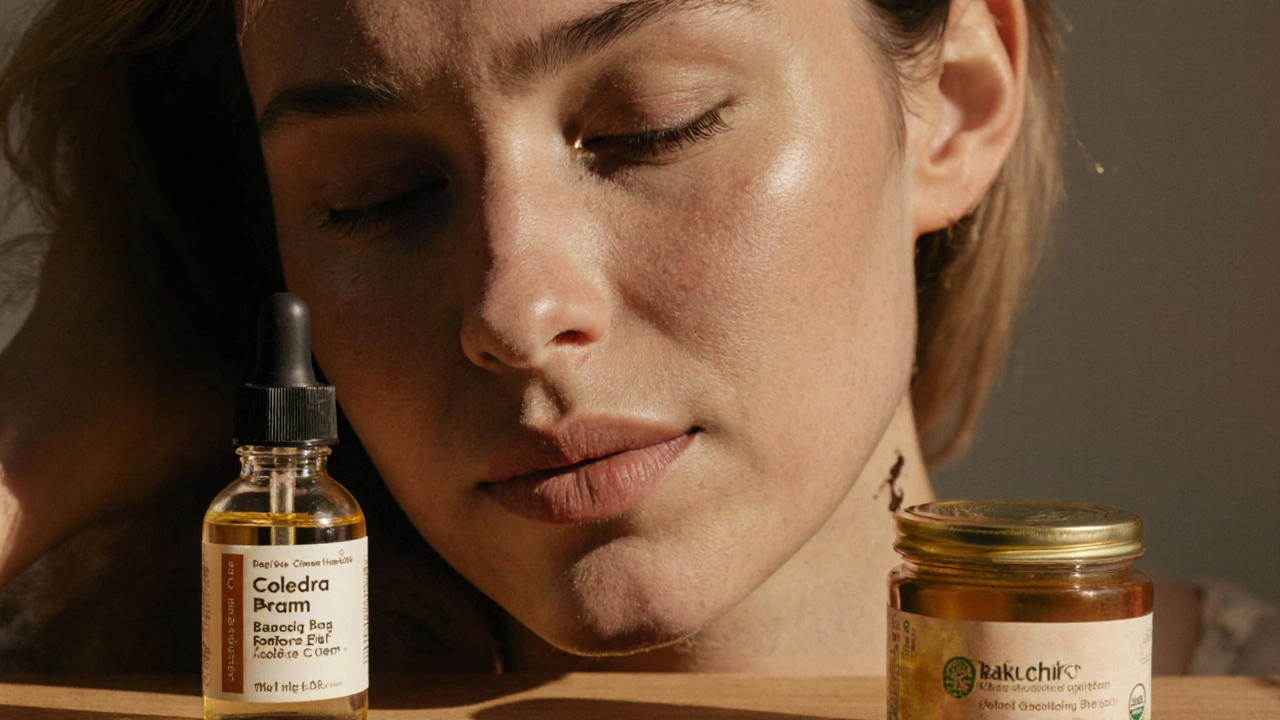
Anti-Aging Serums: What Works, What Doesn't, and Which Ones Dermatologists Recommend
When it comes to anti-aging serums, concentrated skincare formulas designed to target visible signs of aging like fine lines, dullness, and loss of firmness. Also known as wrinkle serums, they’re one of the most popular steps in a daily routine because they pack powerful ingredients into a lightweight layer that sinks in fast. But here’s the truth: not every bottle labeled "anti-aging" actually does anything beyond making your skin smell nice. The real ones? They contain proven actives—like retinol, a vitamin A derivative that speeds up cell turnover and boosts collagen, or vitamin C, an antioxidant that brightens skin and fights free radicals from sun exposure. These aren’t marketing buzzwords—they’re backed by clinical studies showing visible results in weeks, not months.
What makes a serum work isn’t just the ingredient list. It’s the concentration, the delivery system, and whether it’s stable. A vitamin C serum that turns brown? It’s oxidized and useless. A retinol formula that’s too weak? You won’t feel a difference. And if you’re using it wrong—like layering it with harsh acids or skipping sunscreen—you’re undoing the benefits. That’s why people often buy expensive serums and see nothing. It’s not the product’s fault. It’s the mismatch. The best serums for aging skin also pair well with other basics: a gentle cleanser, a moisturizer that seals in hydration, and daily SPF. You don’t need ten steps. You need the right three or four.
Some of the most effective anti-aging serums include ingredients like bakuchiol, a plant-based alternative to retinol that’s gentler on sensitive skin, or hyaluronic acid, a moisture magnet that plumps fine lines by drawing water into the skin. These aren’t magic bullets, but they’re the tools dermatologists actually reach for when they recommend at-home care. And while celebrity endorsements and fancy packaging might catch your eye, the real test is what’s in the bottle—and whether it’s been tested on real skin, not just a lab dish.
What you’ll find below are real, practical guides based on actual user experiences and expert insights. From how to tell if your serum is working to which ones to avoid if you have sensitive skin, these posts cut through the noise. You’ll learn what ingredients to look for, which brands deliver on their promises, and how to build a routine that actually slows down aging—not just masks it.
What Are the Best Anti-Aging Products for Real Results?
Discover the best organic anti-aging products that actually work in 2025. Learn which ingredients deliver real results, what to avoid, and how to build a simple, effective routine without expensive or synthetic products.
Read More