Laser Hair Removal Cost Estimator
Estimated Cost Calculator
Get an accurate estimate based on your treatment area and number of sessions.
Estimated Total Cost
At-Home Device Comparison
Professional treatment is more effective long-term:
- Professional laser 80-95% reduction
- At-home device Slower results, less complete
- Upfront cost £300+ upfront
Deciding whether to laser your pubic hair isn’t just about looks-it’s about comfort, convenience, and knowing what you’re really signing up for. Millions of people do it every year, but most don’t talk about the messy middle part: the pain, the cost, the aftercare, and the surprises no ad ever mentions.
What Happens During a Laser Pubic Hair Removal Session?
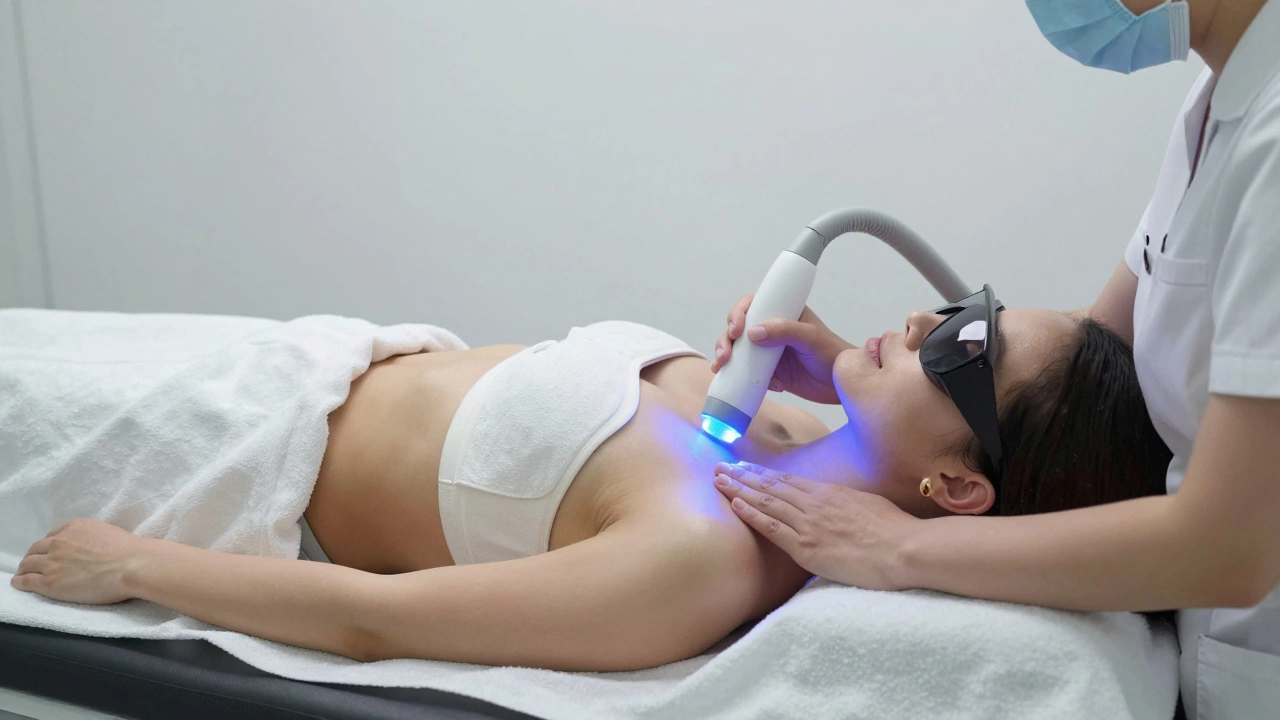
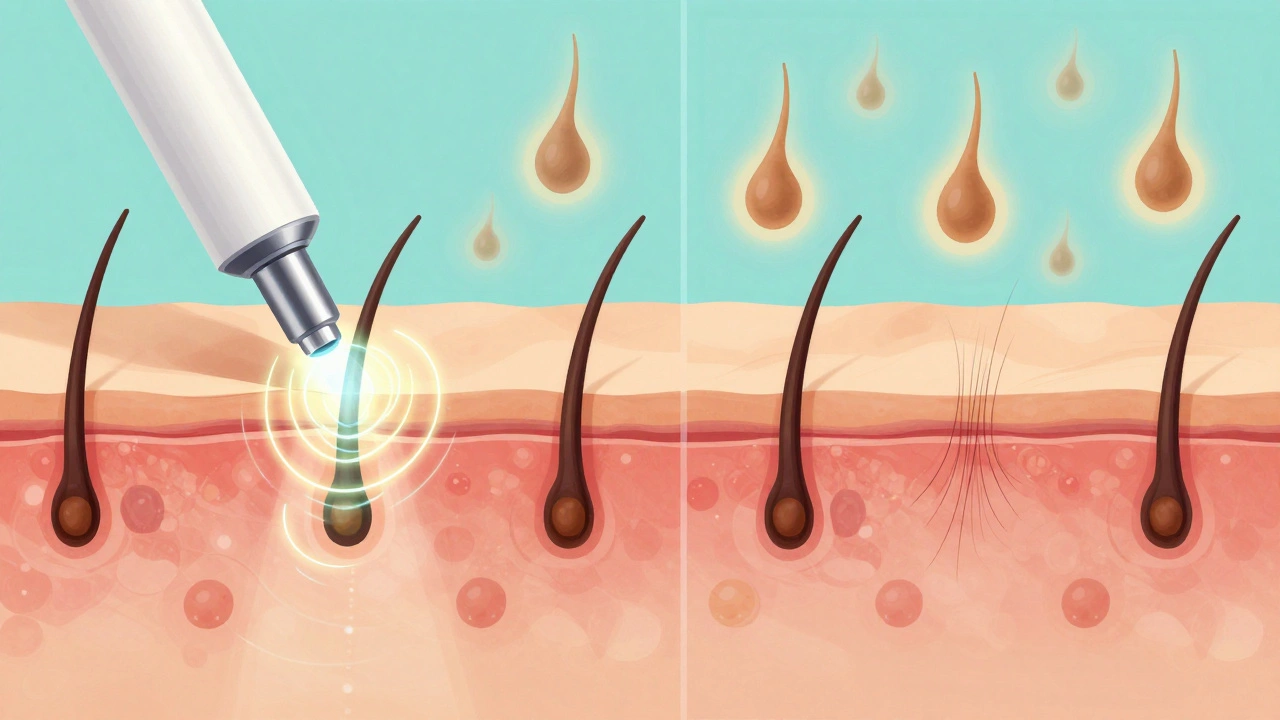
Laser hair removal targets the pigment in your hair follicles. The light energy heats up the root, damaging it enough to slow or stop future growth. For pubic hair, technicians usually treat the entire bikini area-front, sides, and sometimes the perineum and anus, depending on your preference. The session takes 20 to 45 minutes, depending on how much you’re covering.
You’ll wear protective goggles. The technician will shave the area first-no exceptions. Then they’ll apply a cooling gel or use a device with a chilled tip. Each pulse feels like a rubber band snapping against your skin. It’s not unbearable, but it’s sharp and sudden. Most people say the upper lip hurts more than the bikini line.
It’s not a one-and-done deal. Hair grows in cycles, and lasers only hit follicles in the active growth phase. That means you’ll need 6 to 8 sessions, spaced 4 to 8 weeks apart, to get 80-95% reduction. After that, you might need a touch-up every 6 to 12 months.
Who Gets the Best Results?
Laser works best on people with light skin and dark hair. The contrast helps the laser target the hair without burning the skin. If you have blonde, red, gray, or very fine hair, the results will be weaker. Some clinics offer Nd:YAG lasers for darker skin tones, but even then, you’ll need more sessions and lower energy settings to avoid burns.
People with hormonal conditions like PCOS often see regrowth faster. Their bodies keep producing new follicles, so maintenance is more frequent. If you’re on birth control or have stable hormones, you’re more likely to get long-lasting results.
How Much Does It Cost?
Prices vary by location, clinic, and area size. In the UK, a full bikini laser session (including the standard triangle) usually costs between £70 and £150 per appointment. A full Brazilian (everything) runs £100 to £200. Most clinics offer packages-6 sessions for £300 to £800. That’s cheaper than buying razors and wax strips every month for five years.
At-home devices exist, but they’re not as powerful. The Tria Beauty Laser Hair Removal Device is FDA-cleared and works for light to medium skin tones. It costs around £300 upfront. But you’ll need to use it every 2 weeks for 6 months, and results are slower and less complete. If you’re serious about long-term reduction, professional treatment is still the better investment.
What Are the Side Effects?
Most people have mild redness and swelling for a few hours after. Some get tiny bumps that look like goosebumps-those fade in a day or two. Rarely, you might see blistering, scabbing, or changes in skin color. This usually happens if the technician uses the wrong setting, or if you’ve been tanning recently.
One real risk: ingrown hairs. Laser reduces them, but in the first few weeks after treatment, some follicles get irritated and grow sideways under the skin. That’s why exfoliating gently 2-3 times a week after treatment matters. Use a soft loofah or chemical exfoliant with salicylic acid.
Some worry about cancer. There’s no evidence laser hair removal causes skin cancer. The light used is non-ionizing-it doesn’t damage DNA. The American Academy of Dermatology confirms it’s safe when done by trained professionals.
What About Sensitivity and Comfort?
The pubic area is packed with nerve endings. That’s why it stings more than your underarms or legs. Some clinics offer numbing cream, but it’s not always necessary. If you’re sensitive, take an over-the-counter painkiller like ibuprofen an hour before your session. Avoid caffeine and alcohol beforehand-they can make your skin more reactive.
Aftercare is simple: no hot baths, saunas, or tight clothes for 24 hours. Wear loose cotton underwear. Skip deodorants, perfumes, or lotions on the area until the redness fades. Sun exposure is a big no. Even a little tan can throw off the laser’s settings and cause burns.
How Long Do Results Last?
After your full course, most people report 80-95% less hair. What’s left is finer, lighter, and grows slower. You might still need to shave once every few weeks, but it’s nothing like before. Some people go months without any grooming at all.
It’s not permanent, but it’s close. The follicles aren’t destroyed completely-they’re just weakened. Hormonal shifts, pregnancy, or certain medications can trigger new growth. That’s why maintenance sessions are normal, not a failure.
What If You Change Your Mind?
Some people regret laser hair removal because they thought it would be 100% gone. Others wish they’d done it sooner. The biggest complaint? Not knowing how many sessions they’d need. Many quit after 3 sessions because they didn’t see instant results.
Here’s the truth: laser hair removal is a marathon, not a sprint. You won’t see dramatic changes until session 4 or 5. If you’re not ready to commit to 6-8 visits, don’t start. You’ll waste money and feel frustrated.

Is It Worth It?
If you hate shaving, waxing, or dealing with ingrown hairs-yes. If you’re tired of buying disposable razors every month, yes. If you want to feel more confident in swimwear or intimate situations, yes.
But if you’re doing it because you think it’s ‘cleaner’ or ‘more attractive’-ask yourself why. Pubic hair is normal. It protects sensitive skin. It’s not unhygienic. Many people live perfectly happy lives with it.
Do it for yourself. Not for a partner, not for social media, not because someone told you it’s ‘better.’ If you’re ready to invest the time, money, and patience, laser hair removal can be one of the best grooming decisions you make.
What to Look for in a Clinic
Not all clinics are equal. Look for:
- Technicians certified in laser hair removal (ask to see credentials)
- Use of FDA-cleared devices like Candela GentleMax Pro or Cynosure Icon
- Consultation before your first session-no pushy sales tactics
- Before-and-after photos of real clients (not stock images)
- Clean, professional environment
Avoid places that offer ‘unlimited sessions’ for a low price. That’s usually a trap. They’ll use outdated machines or rush you through sessions. Quality matters more than speed.
What to Ask Before Your First Appointment
- What type of laser do you use?
- How many sessions do you recommend for my skin and hair type?
- What’s your success rate for pubic hair removal?
- Do you offer a patch test?
- What’s your policy if I have a bad reaction?
Good clinics will answer all of these without hesitation. If they dodge questions or make you feel silly for asking, walk away.
Final Thoughts
Laser pubic hair removal isn’t magic. It’s science. And like any science, it works best when you understand the rules. It’s not for everyone-but if you’re tired of the constant upkeep of shaving or waxing, and you’re willing to stick with it, the payoff is real.
Less irritation. Fewer ingrown hairs. No more razor nicks. More freedom in swimwear, underwear, and intimate moments. That’s worth the cost and the commitment.
Just don’t rush it. Take your time. Do your research. And choose a clinic that treats you like a person, not a paycheck.
Does laser hair removal hurt more on pubic hair than other areas?
Yes, the pubic area tends to be more sensitive because it has a high concentration of nerve endings. But the pain is brief-each laser pulse lasts a fraction of a second. Most people describe it as a quick snap, similar to a rubber band. The discomfort fades within minutes. Clinics use cooling devices and numbing options to help manage it.
Can I get laser hair removal if I have dark skin?
Yes, but you need the right laser. Nd:YAG lasers are designed for darker skin tones and reduce the risk of burns or pigmentation changes. Not all clinics have this equipment, so ask specifically if they use Nd:YAG or similar technology. Avoid older IPL or Alexandrite lasers if you have medium to dark skin.
Will laser hair removal affect my fertility or reproductive health?
No. The laser only targets hair follicles in the skin’s upper layers. It doesn’t penetrate deep enough to affect internal organs, hormones, or reproductive systems. There’s no scientific link between laser hair removal and fertility issues. The American College of Obstetricians and Gynecologists confirms it’s safe.
How soon can I have sex after a session?
Wait at least 24 to 48 hours. Your skin will be sensitive and slightly inflamed. Friction or heat can cause irritation or even small blisters. Give it time to calm down. If you feel any burning, stinging, or redness, wait longer. Clean, loose clothing and gentle hygiene help.
Can I shave between sessions?
Yes, and you should. Shaving is fine-it doesn’t interfere with the laser’s effectiveness. In fact, you’ll need to shave 24 hours before each session so the technician can target the follicle, not the hair shaft. Don’t wax, tweeze, or pluck between sessions-that removes the root the laser needs to find.
What if I get a bad reaction?
Mild redness and swelling are normal. But if you get blisters, severe pain, or dark/light patches, contact your clinic immediately. They should offer a free follow-up and adjust settings for future sessions. If they ignore you or blame you, find a new provider. Reputable clinics have protocols for adverse reactions and will cover any necessary treatments.
Is laser hair removal safe during pregnancy?
Most clinics won’t treat pregnant women, even though there’s no evidence it’s harmful. Hormonal changes during pregnancy can make hair grow faster and alter skin sensitivity. Plus, your body is already under stress. It’s better to wait until after delivery and hormone levels stabilize. Some women choose to resume treatment 6-8 weeks postpartum.