Private Healthcare Cost Estimator
Enter your situation to see potential out-of-pocket expenses based on New Zealand's private healthcare system.
Your Estimated Costs
Based on New Zealand healthcare data:
Total Expected Out-of-Pocket Cost: $0
Risk Level: High Risk
Why This Happens
42% of private patients face unexpected costs averaging $6,200 annually. 68% of policies have critical exclusions like mental health. 41% of claims get initially rejected.
Expert Recommendation
For essential treatments like emergency care or cancer, public healthcare provides comprehensive coverage without surprise bills. Consider public care unless you have specific urgent needs.
In New Zealand, Private healthcare is a system where individuals pay for medical services through private insurance or out-of-pocket costs, often for faster access to treatments. Choosing it seems like a smart move-faster treatment, more comfort. But beneath the surface, hidden risks threaten your finances and health. Over 37% of private healthcare users face unexpected bills exceeding $5,000 annually. That's not a glitch-it's the system's design. Here's what you need to know about the private healthcare disadvantages.
Unexpected Costs That Can Break Your Budget
Private healthcare in New Zealand often seems like a quick fix. You pay premiums, thinking you'll get faster treatment. But reality is harsher. In 2025, the New Zealand Medical Association reported that 42% of private patients faced unexpected out-of-pocket costs averaging $6,200 per year. Take knee replacement surgery: public system covers it fully, but private hospitals might charge $25,000 upfront. Even with insurance, you could still owe $5,000 for 'non-covered' items like special implants or extra days in the hospital.
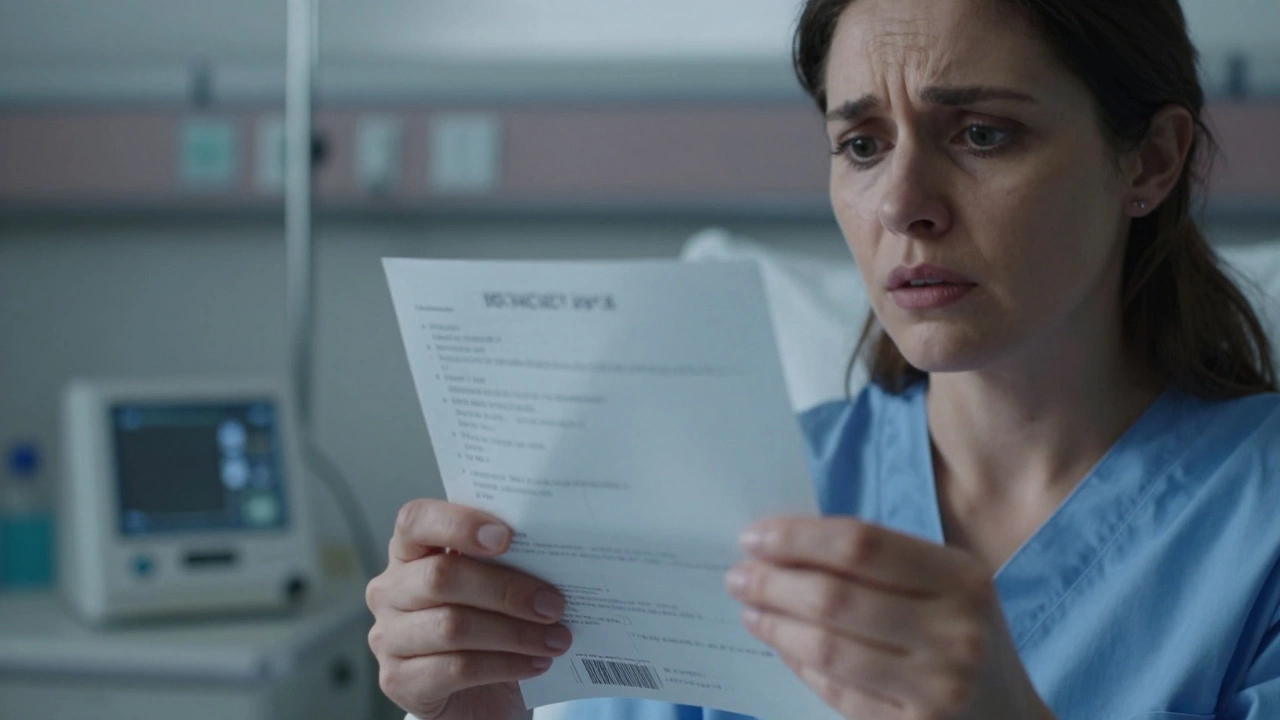
One Auckland mother, Sarah, discovered this the hard way. She chose private care for her child's ear surgery. The hospital billed her $8,500 for 'facility fees' her insurance didn't cover. 'I thought I was protected,' she said. 'But the fine print left me with debt I'm still paying off.'
Insurance Gaps and Exclusions
Most health insurance policies in New Zealand exclude critical treatments. For example, Southern Cross Health Society's standard plan excludes pre-existing conditions for the first 12 months. Mental health services often have strict limits-only 10 therapy sessions per year. Chronic conditions like diabetes or arthritis may not be covered at all. A 2024 survey found that 68% of private insurance holders had at least one exclusion that left them uncovered during a health crisis.
Take Mark from Christchurch. He needed a heart stent procedure. His insurance covered the surgery but not the follow-up cardiac rehab. He paid $12,000 out of pocket. 'I didn't realize rehab wasn't covered,' he said. 'That's when I realized insurance is a gamble.'
The Two-Tier System Problem
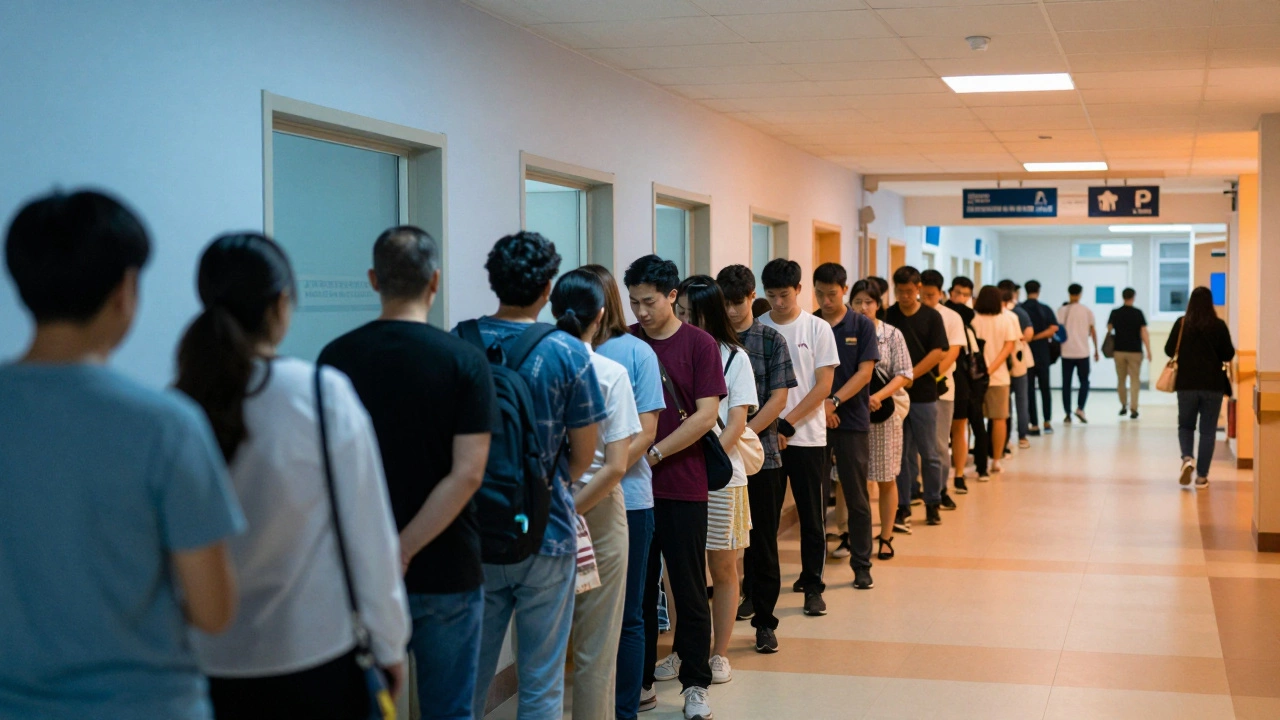
New Zealand's healthcare system is split. Those who can afford private care get priority treatment, while others wait in public queues. In 2025, public hospitals had average wait times of 18 weeks for non-urgent surgeries. Private facilities averaged just 4 weeks. But this speed comes at a cost-only 1 in 4 New Zealanders can afford private insurance. The rest rely on public care, which struggles with underfunding and staff shortages.
This inequality is stark. A 2026 Ministry of Health report showed that 73% of private patients received surgery within 4 weeks, while only 29% of public patients did. For low-income families, private care is financially impossible. 'It's not fair,' said a Wellington nurse. 'We're told to choose private for faster care, but most people can't afford it.'
Administrative Nightmares
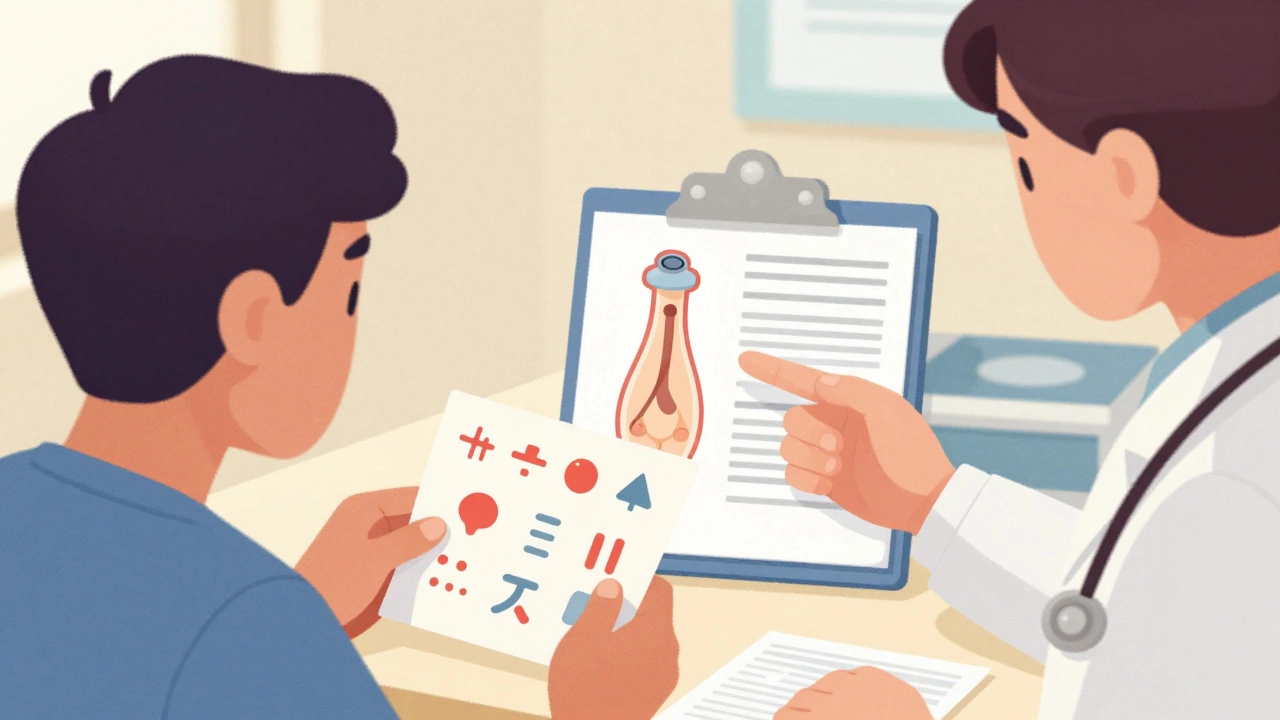
Dealing with private healthcare often means battling paperwork. Insurance claims get denied for minor errors-like a typo in a medical code. A 2025 study found that 41% of private healthcare claims were initially rejected, forcing patients to fight for coverage. One Wellington woman spent 18 months fighting her insurer over a denied claim for a back surgery. The insurer called it 'experimental' despite it being standard procedure. She paid $15,000 out of pocket.
Another common issue is billing confusion. Private hospitals sometimes send multiple bills for the same procedure. A Tauranga man received 12 separate invoices for a single knee operation. 'I had to hire a billing specialist just to sort it out,' he said. 'It took six months and cost me $3,000 in legal fees.'
Real Stories: When Private Healthcare Backfired
These aren't isolated cases. In 2025, a family in Napier chose private care for a child's cancer treatment. Their insurance covered the initial chemo but not the follow-up scans. They faced $28,000 in unexpected bills. 'We thought we were doing the right thing,' the mother said. 'Instead, we're drowning in debt.'
Another example: a Queenstown entrepreneur opted for private dental implants. His insurance covered 80%, but the remaining 20% was $14,000. He took a second job to pay it off. 'I lost a year of my life working extra hours just for my teeth,' he said. 'Is it worth it?'
When Public Might Be the Safer Choice
Public healthcare in New Zealand isn't perfect, but it's designed to cover everyone. For essential treatments like emergency care, cancer treatment, or maternity services, public hospitals provide comprehensive coverage without surprise bills. While wait times can be long for non-urgent procedures, the system ensures no one is denied care based on income.
Many experts recommend sticking with public care unless you have a specific need. 'For most people, public healthcare is the safer option,' said Dr. James Chen, a Wellington GP. 'You avoid financial risks, and the quality of care is just as good for life-threatening conditions.'
Key Takeaways
- Private healthcare in New Zealand often leads to unexpected medical debt-over 37% of users face bills over $5,000 annually.
- Health insurance policies commonly exclude critical treatments like mental health care and chronic condition management.
- The system creates a two-tiered gap: those who can afford private care get faster treatment, while others wait in underfunded public queues.
- Administrative errors and claim denials are rampant, forcing patients to fight for coverage and pay out of pocket.
- For essential care, public healthcare remains the most reliable and equitable option for most New Zealanders.
What are the most common out-of-pocket costs in private healthcare?
Common out-of-pocket costs in New Zealand private healthcare include facility fees, specialist consultations not covered by insurance, and 'non-standard' treatments like certain implants or medications. For example, a private hospital might charge $3,000 for a 'room fee' that insurance doesn't cover. A 2025 survey found that 58% of private patients paid extra for these hidden fees, averaging $4,200 per person.
Does private health insurance cover pre-existing conditions?
Most private health insurance policies in New Zealand exclude pre-existing conditions for the first 12 months. For example, Southern Cross Health Society and nib policies typically have a 12-month waiting period for conditions like diabetes or hypertension. Some insurers may never cover certain chronic illnesses. Always check the policy details-many people assume coverage exists only to find it's excluded later.
How do wait times compare between public and private healthcare?
In New Zealand, public hospitals had average wait times of 18 weeks for non-urgent surgeries in 2025, while private facilities averaged just 4 weeks. However, this speed comes at a cost-only 1 in 4 New Zealanders can afford private insurance. For life-threatening conditions like heart attacks or cancer, public hospitals prioritize treatment regardless of insurance status. Private care is mainly useful for elective procedures like cosmetic surgery or knee replacements where delays are less critical.
Can you switch from private to public healthcare easily?
Yes, switching is straightforward in New Zealand. Public healthcare is available to all citizens and residents regardless of insurance status. However, if you've had private care and need follow-up treatment, your public hospital may not have your full medical records, causing delays. It's best to inform both systems of your care history. Many people choose public care for major procedures to avoid financial risks, even if it means longer waits.
What should I look for in a private health insurance policy?
When choosing private health insurance in New Zealand, look for clear coverage of essential treatments like mental health services, chronic conditions, and emergency care. Check for exclusions and waiting periods-some policies exclude pre-existing conditions entirely. Also, verify if the policy covers 'non-standard' treatments like certain surgeries or medications. A 2026 study found that policies with comprehensive coverage typically cost 30% more but save patients $10,000+ in out-of-pocket costs annually.