Cruelty-Free Brand Checker
Select a Brand
Click on a brand from the list to reveal its ethical status.
- Sold in China (Physical):
- Certification:
- Parent Company Policy:
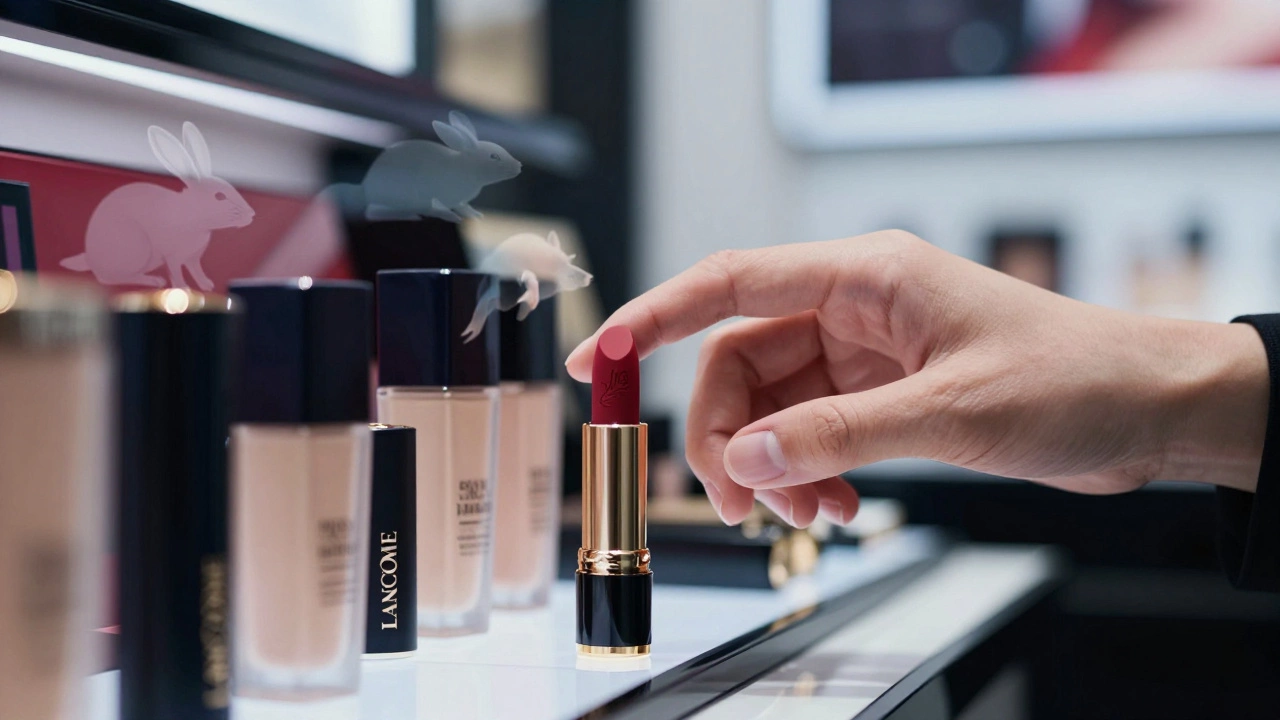
It’s a question that stops many of us at the checkout counter. You see a beautiful lipstick or a luxurious foundation from Lancôme, a brand known for its high-end skincare and iconic fragrances like La Vie Est Belle. But then you remember the label: "cruelty-free." Does buying this product mean supporting animal suffering? The short answer is no, not if you are strict about your definition. Lancôme is not considered cruelty-free by most ethical standards because they sell their products in mainland China, where animal testing is often required by law for imported cosmetics.
I’ve spent years digging into these labels, living here in Auckland where we have some of the strictest animal welfare laws in the world. It makes the contrast with global beauty giants even starker. When you look closely at who owns Lancôme, the picture becomes clearer. It’s part of the L'Oréal Group, one of the largest cosmetic conglomerates on the planet. While L'Oréal has made significant strides in developing alternative testing methods, their business model relies on selling in markets that mandate animal testing for certain categories of products. This isn't just a minor detail; it's the core reason why ethical consumers avoid the brand.
Navigating the beauty industry can feel like walking through a maze of greenwashing. Brands use words like "natural," "clean," and "ethical" loosely. Sometimes, while researching these complex supply chains, I find myself looking at completely unrelated directories to clear my head, like checking out this resource which lists various profiles in Almaty, though it has nothing to do with makeup, it reminds me how diverse online information can be. Let’s get back to what matters: your values and your wallet. Understanding the nuance between "not tested on animals" and "sold in China" is crucial for making an informed choice.
The China Connection: Why Location Matters
To understand why Lancôme isn’t cruelty-free, you have to look at Chinese regulations. For years, China required mandatory animal testing for all imported cosmetics. If you wanted to sell your mascara in Shanghai or Beijing, you had to pay a lab to test it on rabbits or mice. In 2021, China updated its laws. They removed the mandatory post-market animal testing for "ordinary" cosmetics like shampoo, lotion, and standard makeup, provided they are manufactured domestically or meet specific safety criteria. However, "special use" cosmetics-like sunscreens, hair dyes, and products claiming whitening effects-still face stricter scrutiny. More importantly, if authorities suspect a product is unsafe after it hits the market, they can still order animal tests.
Lancôme sells extensively in physical stores across mainland China. This means their products fall under the jurisdiction of these regulations. Even if Lancôme claims they don't *request* animal testing, they cannot prevent Chinese health authorities from conducting it if they choose to. By entering this market, they accept the risk of animal testing as part of their business strategy. True cruelty-free brands refuse to sell in countries where animal testing is required or possible for regulatory reasons. They might sell online in China, but they never step foot in physical retail stores there.
L'Oréal’s Stance on Animal Testing
Since Lancôme is owned by L'Oréal, their policies are intertwined. L'Oréal has publicly stated that they have not tested any of their products on animals since 1989. They invest heavily in non-animal testing methods, such as using human skin models and computer simulations. This is a positive step in the right direction. Science is moving away from animal testing, and large corporations have the resources to drive that change. However, saying "we don't test on animals" is different from being "cruelty-free."
The distinction lies in legal compliance versus corporate policy. L'Oréal complies with the laws of every country they operate in. If a law says "test this on an animal," L'Oréal will follow that law to keep their products on shelves. A certified cruelty-free brand would rather pull their products from the market than submit to animal testing. L'Oréal chooses the former. They prioritize global market access over a zero-testing guarantee. For consumers who want to ensure no animal was harmed anywhere in the process, this compromise is unacceptable.
Certifications That Actually Mean Something
If you want to trust a brand, look for independent certifications. Self-declared labels like "cruelty-free" on the packaging are not legally binding in many regions. Anyone can print those words. Instead, look for logos from recognized organizations:
- Leaping Bunny: This is the gold standard. To get this logo, a brand must pledge that neither their ingredients nor finished products are tested on animals by them, their suppliers, or any third parties. They also agree to audits. Lancôme does not have this certification.
- PETA’s Beauty Without Bunnies: PETA offers two levels of certification. The basic one requires a signed statement from the CEO. The more rigorous one involves supply chain monitoring. While better than nothing, it is less strict than Leaping Bunny. Lancôme is not listed as a cruelty-free brand by PETA either.
- Cruelty Free Kitty: An independent blog that maintains a highly respected list of verified cruelty-free brands. They dig deep into ownership structures and sales locations. Lancôme is explicitly marked as not cruelty-free.
These certifications provide a layer of accountability. They tell you that someone else has checked the fine print. Without them, you’re relying on marketing speak. In 2026, consumers are smarter than ever. We demand transparency. Brands that hide behind vague language lose trust quickly.
What About Their Skincare Line?
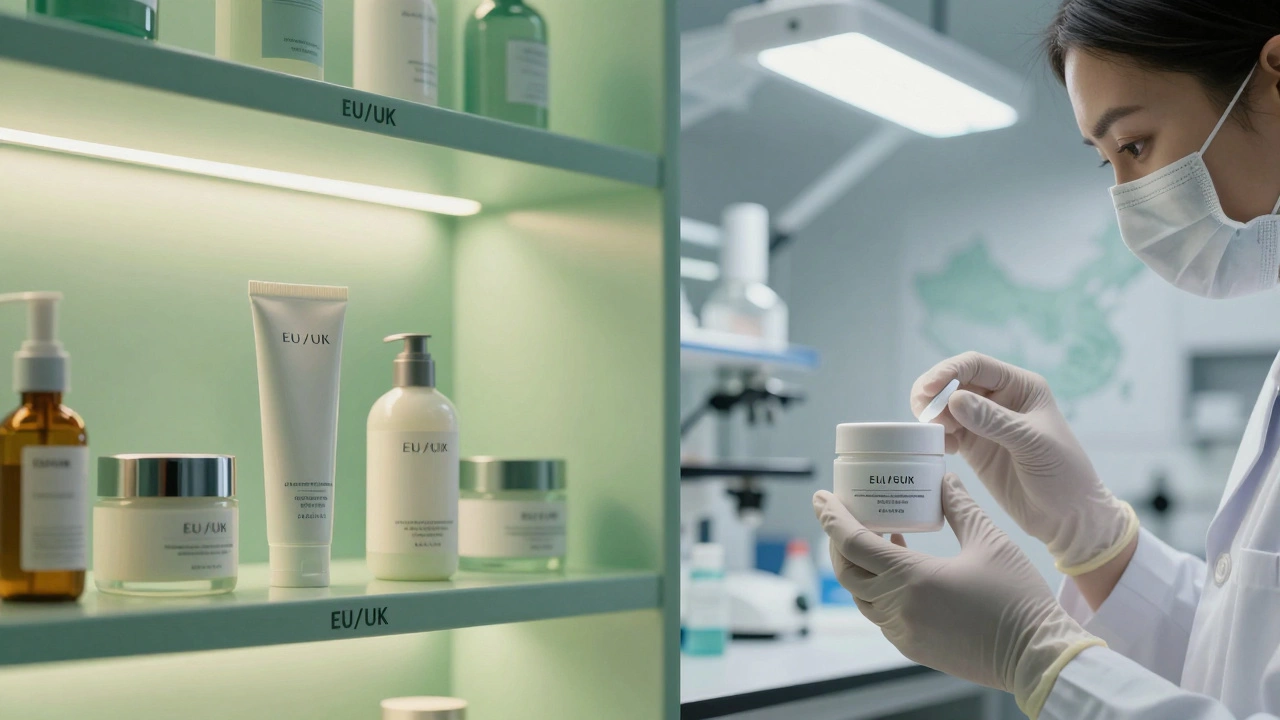
Some people argue that skincare is different from makeup. Maybe the rules are looser? Unfortunately, no. The same regulations apply. Whether it’s a moisturizer, a serum, or a lipstick, if it’s sold in mainland China, it’s subject to potential animal testing. Lancôme’s Génifique Serum or Advanced Génifique Eye Cream are popular worldwide, including in Asia. Because they are part of the same parent company and sold in the same markets, they carry the same ethical baggage. There is no loophole here. The entire Lancôme portfolio is tied to L'Oréal’s global strategy.
Alternatives That Are Truly Cruelty-Free
If you love the quality of Lancôme but can’t support their practices, you’re in luck. The beauty industry has exploded with high-end, ethical alternatives. Many of these brands offer similar textures, pigments, and longevity without the ethical compromise.
| Brand | Cruelty-Free Status | Sold in China (Physical Stores) | Certification |
|---|---|---|---|
| Lancôme | No | Yes | None |
| TarHeel | Yes | No | Leaping Bunny |
| Merit Beauty | Yes | No | PETA & Leaping Bunny |
| Glossier | Yes | No | Leaping Bunny |
| RMS Beauty | Yes | No | Leaping Bunny |
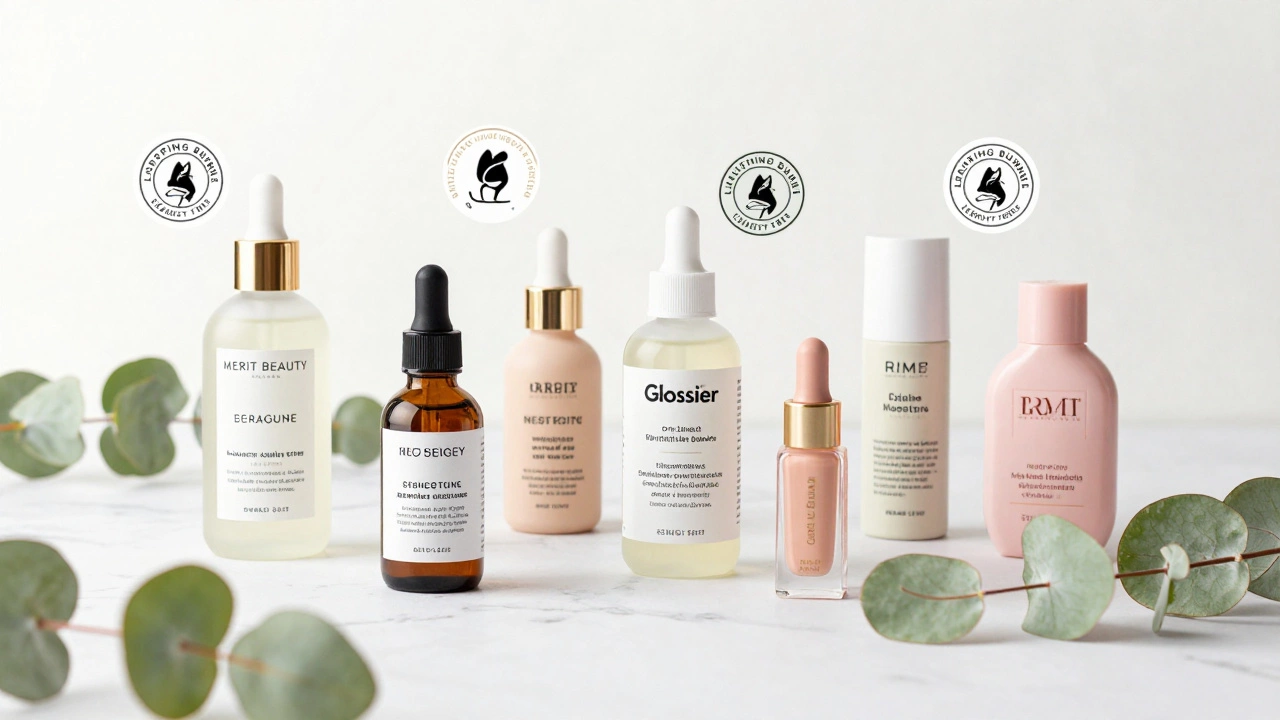
Brands like Merit Beauty offer minimalist, high-performance makeup that rivals luxury lines. TarHeel provides excellent skincare solutions with full transparency. Glossier has built a cult following for its fresh-faced aesthetic and ethical stance. These companies prove that you don’t need to sacrifice quality for conscience. They innovate within ethical boundaries, often leading to cleaner formulations that are safer for humans too.
How to Spot Greenwashing
Greenwashing is when a brand spends more time marketing themselves as environmentally friendly or ethical than actually minimizing their environmental impact. In the beauty world, this often looks like:
- Vague Language: Terms like "never tested on animals" without specifying where they sell. If they sell in China, that statement is misleading.
- Parent Company Confusion: A small indie brand might be cruelty-free, but if they are acquired by a giant like L'Oréal or Estée Lauder, their status can change. Always check current ownership.
- Fake Logos: Some brands create their own bunny logos that look similar to Leaping Bunny but aren’t official. Always verify the certifying body.
As a consumer, you have the power to vote with your dollar. Every purchase sends a message. When you buy from brands that refuse to enter markets requiring animal testing, you push the industry toward better practices. It’s not just about feeling good; it’s about driving real change.
The Future of Cosmetics Testing
The landscape is shifting. The European Union banned animal testing for cosmetics in 2013, setting a global precedent. Countries like India, Israel, and Norway have followed suit. China’s recent reforms show progress, even if incomplete. As technology advances, organ-on-a-chip systems and AI-driven toxicity predictions are becoming more accurate and cheaper than live animal tests. Eventually, animal testing may become obsolete simply because it’s inefficient. Until then, however, the burden is on us to choose brands that align with our values today.
Is Lancôme vegan?
No, Lancôme is not fully vegan. While they offer some vegan products, many of their items contain animal-derived ingredients like beeswax, lanolin, and carmine. Being cruelty-free and vegan are two different things. A product can be cruelty-free but not vegan, or vegan but not cruelty-free. Lancôme fails on both fronts for strict ethical consumers.
Why does Lancôme sell in China if they claim to care about animals?
Lancôme is a commercial entity owned by L'Oréal, a massive corporation. Their primary goal is profit and market share. China is one of the largest beauty markets in the world. To compete there, they must comply with local laws, which can include animal testing. Their public statements about reducing animal testing reflect their R&D goals, but their sales strategy reflects their business reality.
Can I buy Lancôme in New Zealand without supporting animal testing?
Buying Lancôme in New Zealand doesn't directly trigger animal testing in NZ, as we don't require it. However, your purchase supports the global brand that chooses to sell in markets where testing occurs. Ethical consumption is about supporting the entire business model, not just the local transaction. If you want to be sure no animal was harmed anywhere in the supply chain, avoid brands that sell in mainland China.
Are there any L'Oréal brands that are cruelty-free?
Generally, no. Because L'Oréal sells in China, all its subsidiary brands, including Maybelline, Garnier, and Lancôme, are subject to the same policies. Some smaller brands owned by L'Oréal might not sell in China, but they are rare. Most experts advise avoiding the entire L'Oréal family if you are strictly cruelty-free.
What should I look for instead of Lancôme?
Look for brands with Leaping Bunny or PETA certification that explicitly state they do not sell in mainland China. Brands like Merit, RMS Beauty, and Tarte (check current status) are great starting points. Always verify on Cruelty Free Kitty or Leaping Bunny’s official site before purchasing, as policies can change.