Cruelty-Free Brand Checker
Check if your favorite beauty brand meets the strictest cruelty-free standards. Based on the article's information about L'Oréal's policies, this tool helps you identify brands that truly don't test on animals anywhere in the world.
Brand Search
Why this matters
A brand is only truly cruelty-free if it meets ALL of these criteria:
- Does not test on animals anywhere in the world
- Does not sell products in mainland China that require animal testing
- Has third-party certification (like Leaping Bunny)
- Refuses to use ingredients that require animal testing
When you pick up a tube of L'Oréal lipstick or a bottle of Maybelline mascara, you might assume it’s safe for animals - after all, the brand markets itself as a global leader in beauty. But here’s the hard truth: L'Oréal is not cruelty-free. Not now. Not ever. And if you’re buying their products because you believe they don’t test on animals, you’re being misled.
Why L'Oréal Isn’t Cruelty-Free
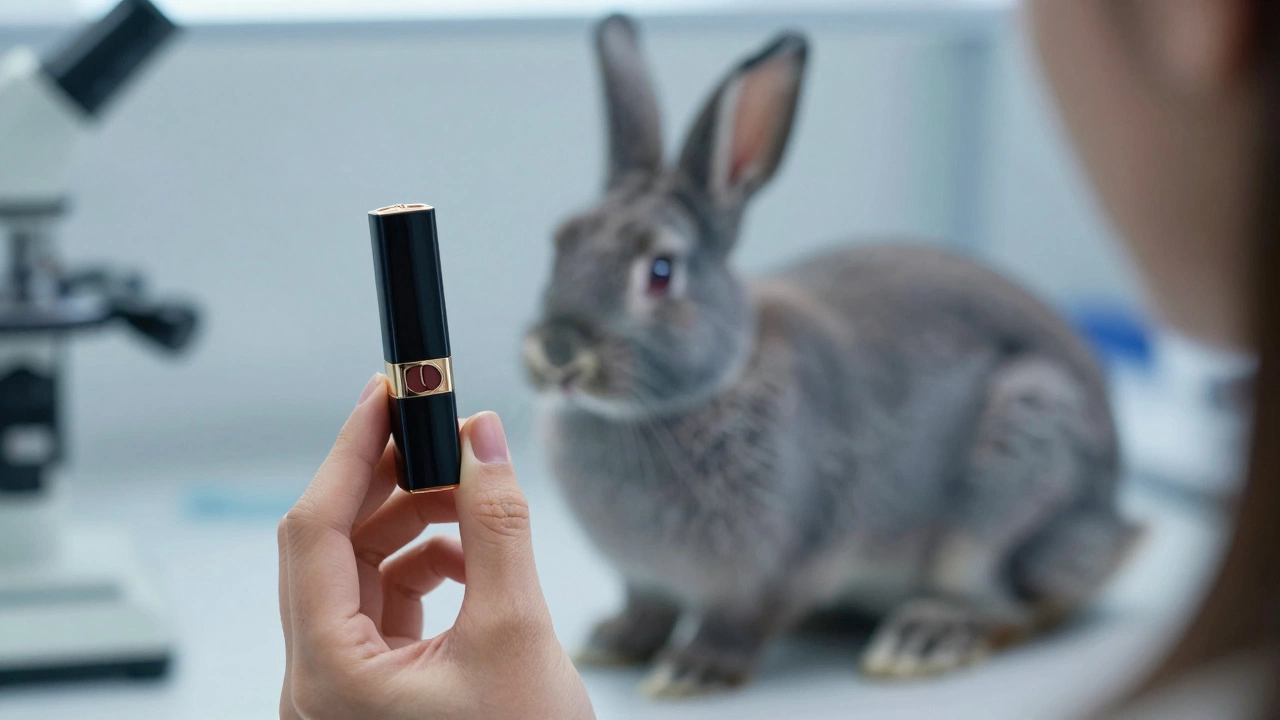
L'Oréal claims they don’t test their products on animals. That’s true - in Europe. But the company still allows animal testing when required by law. That means if a country like China demands animal testing for imported cosmetics (which it still does for most physical store sales), L'Oréal will comply. They don’t refuse to sell there. They don’t change their policy. They just do the testing. This isn’t some hidden secret. L'Oréal has publicly admitted this in investor reports and regulatory filings. In 2023, the company confirmed it continues to sell in mainland China, where animal testing is mandatory for non-special use cosmetics sold in physical stores. That’s over 140 million consumers - and L'Oréal won’t leave them behind to protect animals. PETA and the Humane Society both list L'Oréal as a company that tests on animals. Leaping Bunny, the strictest cruelty-free certification program, revoked L'Oréal’s certification in 2017. Why? Because they failed to meet the core rule: no animal testing anywhere, ever, under any circumstances.What About Their Vegan Labels?
You might see "vegan" on L'Oréal packaging. That sounds promising. But vegan ≠ cruelty-free. Vegan means no animal ingredients - like beeswax or carmine. But it says nothing about how the ingredients were tested. L'Oréal’s vegan line, True Match and Infallible foundations, for example, use plant-based pigments. But those formulas still went through animal testing in China to get approval. So yes, the lipstick doesn’t contain honey - but the testing? Still done on rabbits, mice, and guinea pigs. The same goes for their luxury brands: Lancôme, YSL Beauty, Kiehl’s. All owned by L'Oréal. All subject to the same policy. None are cruelty-free.How L'Oréal Uses "Cruelty-Free" Marketing
L'Oréal spends millions on ads that say things like "We do not test on animals" - but they leave out the part about China. That’s not an accident. It’s a legal loophole they’ve exploited for decades. They partner with influencers who say "I love L'Oréal because it’s cruelty-free" - never mentioning the 2021 report from China’s National Medical Products Administration that showed 12,000 animal tests were conducted on L'Oréal products that year alone. That’s not a drop in the bucket. That’s systemic. They also own brands that are truly cruelty-free - like NYX Professional Makeup and Urban Decay. But those are separate companies with separate policies. You can’t assume L'Oréal as a whole is ethical just because you buy NYX. The parent company still funds and controls animal testing.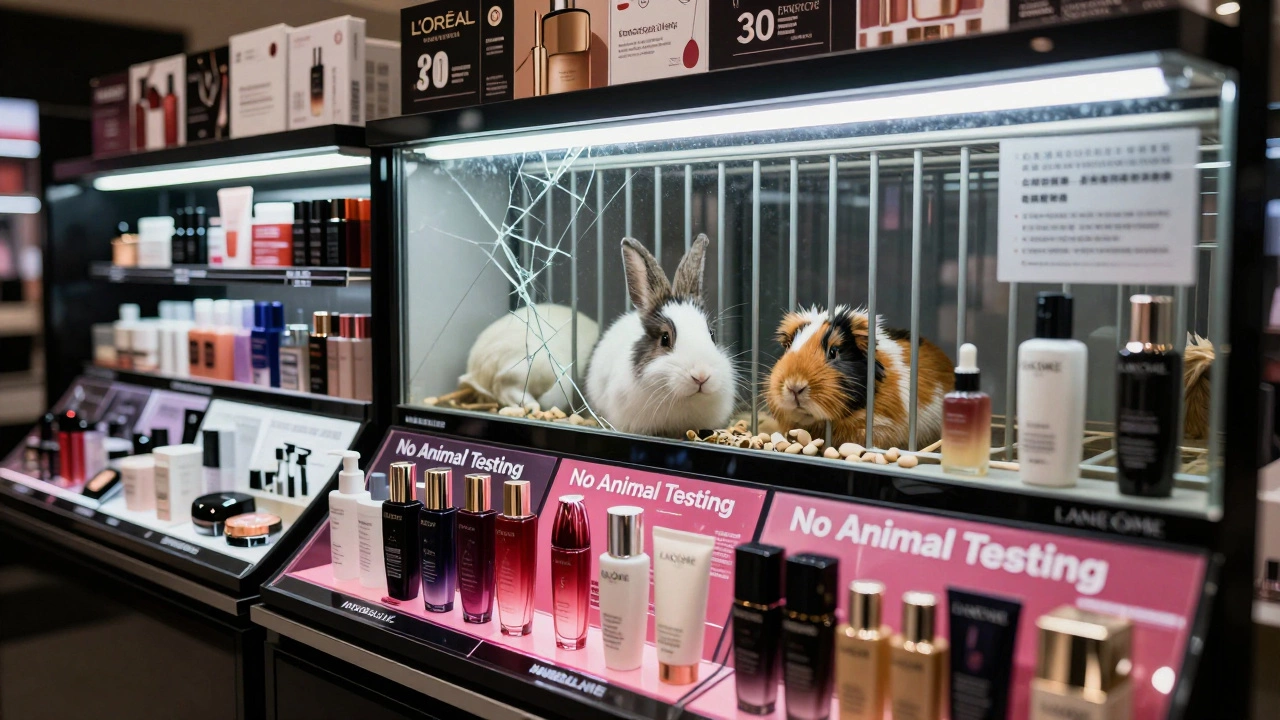
Who Is Actually Cruelty-Free?
If you want makeup that doesn’t harm animals, here are brands that meet the strictest standards:- Too Faced - Certified by Leaping Bunny, no sales in China
- Charlotte Tilbury - Global cruelty-free, no animal testing anywhere
- Fenty Beauty - Owned by L'Oréal? No. Owned by Rihanna. Cruelty-free since day one
- Dr. Hauschka - German brand, certified by NATRUE, no animal testing ever
- Herbivore Botanicals - Vegan, cruelty-free, and transparent about supply chains
Why This Matters Beyond Ethics
This isn’t just about rabbits and mice. It’s about trust. When a billion-dollar company like L'Oréal says "we don’t test on animals," and then quietly allows it in markets with lax regulations, they’re teaching consumers that ethics are negotiable. That if profits are high enough, cruelty is acceptable. And it’s not just L'Oréal. Estée Lauder, Procter & Gamble, Unilever - all follow the same playbook. They own cruelty-free brands to appeal to conscious shoppers, while their parent companies fund testing on animals. The result? People who care deeply about animal welfare end up buying products that hurt them. All because the marketing is cleverly worded.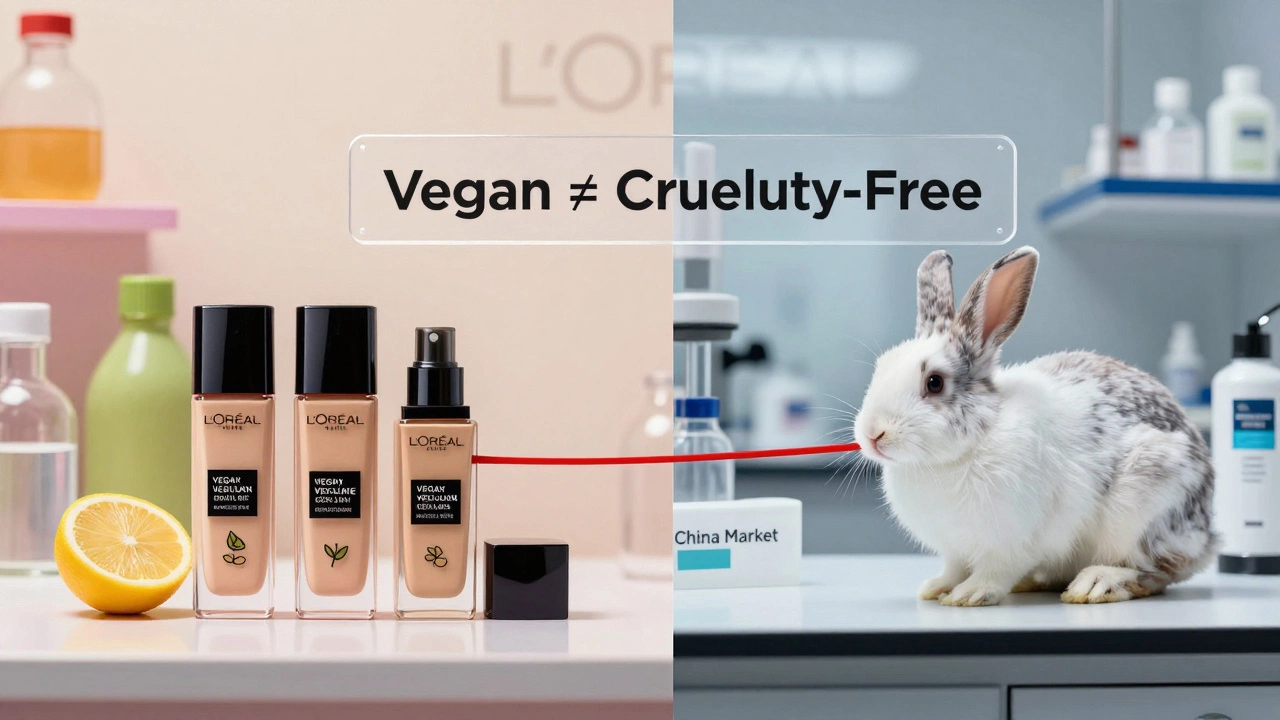
What You Can Do
You don’t need to give up makeup. You just need to know where your money goes.- Look for the Leaping Bunny logo - it’s the only certification that requires global compliance
- Check Logical Harmony or Cruelty-Free Kitty for updated brand lists
- Ask brands directly: "Do you sell in mainland China? If yes, do you allow animal testing there?" If they hesitate - walk away
- Support brands that refuse to enter markets that require animal testing
Is L'Oréal Going to Change?
There’s no sign they will. In fact, L'Oréal’s 2025 strategy report says they plan to "expand presence in emerging markets," including China. That means more animal testing, not less. They’ve tried to spin it as "progress" - saying they use alternative methods like 3D skin models. But those methods aren’t accepted by Chinese regulators. So they still test on animals. The truth? L'Oréal’s policy hasn’t changed since 1989. And it won’t - as long as there’s money to be made.Is L'Oréal makeup vegan?
Some L'Oréal products are labeled vegan, meaning they don’t contain animal-derived ingredients like beeswax or lanolin. But "vegan" doesn’t mean cruelty-free. Even vegan L'Oréal products are tested on animals in countries like China, where the law requires it. So while the formula might be plant-based, the testing process is not.
Does L'Oréal test on animals in the U.S.?
L'Oréal doesn’t test on animals in the U.S. because it’s banned by law. However, they still allow animal testing in other countries - primarily China - where it’s required for physical store sales. Since L'Oréal sells in China, they are responsible for those tests, even if they happen overseas.
Are L'Oréal’s subsidiaries cruelty-free?
Some subsidiaries like NYX, Urban Decay, and Essence are certified cruelty-free by Leaping Bunny - but only because they refuse to sell in mainland China. L'Oréal owns them, but they operate under separate policies. However, L'Oréal as a whole is not cruelty-free because it still tests on animals through its other brands like Lancôme, YSL, and Maybelline.
Can I trust "cruelty-free" claims on L'Oréal packaging?
No. Claims like "not tested on animals" on L'Oréal packaging are misleading because they omit key details. They don’t mention China, where animal testing is mandatory for their products. Regulatory agencies like the FTC have warned companies against such vague claims. Always check third-party certifications like Leaping Bunny instead.
What’s the difference between cruelty-free and vegan?
Vegan means the product contains no animal ingredients - like milk, honey, or collagen. Cruelty-free means no animal testing was done at any stage - by the brand, its suppliers, or third parties. A product can be vegan but not cruelty-free (like L'Oréal’s vegan line). It can also be cruelty-free but not vegan (if it uses beeswax but doesn’t test on animals).