Hybrid Skincare Routine Builder
Step 1: Cleanser
Rinse-off productRecommendation: Drugstore. Cleansers sit on skin for only 60 seconds.
Step 2: Treatment Serum
Leave-on active treatmentRecommendation: High-End. Invest in stability and delivery systems here.
Step 3: Moisturizer
Daily barrier supportRecommendation: Hybrid. Luxury for texture/sensory experience.
Step 4: Sunscreen
UV ProtectionRecommendation: Drugstore. Chemical filters are standardized commodities.
Your Routine Analysis
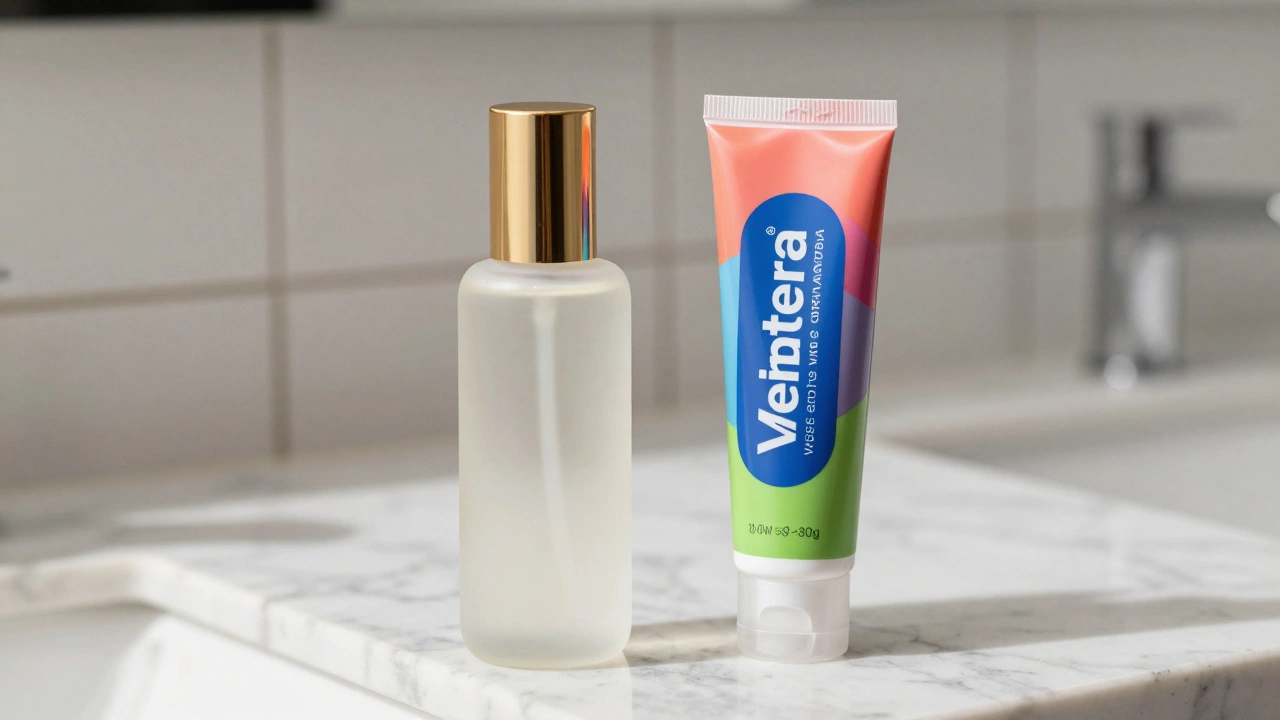
Walk down the beauty aisle of any pharmacy or luxury department store, and you will see a stark contrast. On one side, sleek bottles with minimalist labels commanding prices upwards of $150. On the other, colorful tubes sitting at eye level for under $15. It is easy to assume that the price tag dictates performance. If something costs ten times more, surely it must contain ten times the magic, right?
The truth is far less romantic but much more practical. While high-end skincare often wins on texture, scent, and packaging, drugstore brands frequently match or even exceed them in raw ingredient efficacy. The difference usually lies not in whether your skin will glow, but in how it feels while you are applying the product.
The Ingredient Reality Check
To understand if high-end skincare is actually better, we have to look past the marketing copy and into the ingredient list. Cosmetic chemistry does not care about your bank account. A molecule of retinol is identical regardless of whether it was sourced by a niche luxury brand or mass-produced for a supermarket chain.
However, formulation matters. High-end brands often invest heavily in encapsulation technology. This means they wrap unstable ingredients like Vitamin C or Retinol in protective spheres that release slowly over time. This can reduce irritation and increase stability. Drugstore brands may use simpler delivery systems, which can sometimes lead to faster degradation of the product or higher rates of sensitivity for reactive skin types.
That said, many mid-range and drugstore brands have closed this gap significantly in recent years. Brands like The Ordinary and Paula’s Choice have educated consumers on the importance of concentration percentages. You can now buy 10% Niacinamide or 0.5% Hyaluronic Acid at a fraction of the cost of luxury equivalents. The key is checking the INCI (International Nomenclature of Cosmetic Ingredients) list order. If the active ingredient is buried near the bottom after preservatives and fragrances, you are paying for water and marketing.
Sensory Experience vs. Clinical Results
If ingredients are similar, why do people spend hundreds of dollars? The answer is sensory experience. Luxury skincare is designed to feel like a spa treatment. Think rich creams that melt instantly, subtle floral scents, and heavy glass jars that make a satisfying thud when placed on the counter.
Drugstore products often prioritize function over form. They might feel slightly greasier, take longer to absorb, or have a medicinal smell due to lack of masking fragrances. For some users, this trade-off is unacceptable. If you hate the feeling of sticky lotion, you are unlikely to stick with a routine, no matter how effective it is. Consistency beats intensity in skincare. If a cheap moisturizer feels unpleasant, you will stop using it, rendering its clinical benefits useless.
Consider the application process. High-end serums often come with airless pump dispensers that prevent contamination and allow for precise dosing. Drugstore alternatives might use open jars or simple squeeze tubes. Over time, exposure to air and bacteria can degrade cheaper packaging contents faster. So, while the initial formula might be comparable, the shelf-life and hygiene factors lean slightly toward premium options.
The Hidden Cost of Fragrance and Fillers
One area where budget brands sometimes stumble is the liberal use of fragrance and fillers. To make a $10 cream feel luxurious, manufacturers may add synthetic perfumes. For those with sensitive skin, eczema, or rosacea, these additives can trigger flare-ups. Dermatologists often recommend fragrance-free options, which are more commonly found in clinical drugstore lines (like Vanicream or Cetaphil) than in mainstream luxury collections.
Luxury brands, conversely, often market themselves as "clean" or "dermatologist-tested," though these terms are loosely regulated. Some high-end lines still include essential oils and botanical extracts that can be just as irritating as synthetic fragrances. Always check for potential allergens, regardless of the price point.
| Feature | Drugstore / Mass Market | High-End / Luxury |
|---|---|---|
| Active Ingredient Efficacy | High (often matches luxury) | High (sometimes better stabilized) |
| Texture & Absorption | Variable, can be heavy | Refined, fast-absorbing |
| Fragrance Content | Often higher in mainstream lines | Varies, often marketed as natural |
| Packaging Quality | Plastic, basic pumps | Glass, airless pumps, weighted caps |
| Price Per Ounce | $5 - $20 | $50 - $300+ |

Where Your Money Actually Goes
When you buy a $200 face cream, what are you paying for? Rarely is it the raw materials. Squalane, a popular hydrator derived from olives or sugarcane, costs pennies per ounce in bulk. Even exotic ingredients like caviar extract or rare orchid stems represent a tiny fraction of the retail price.
The majority of the cost covers:
- Marketing and Advertising: Celebrity endorsements, influencer campaigns, and glossy magazine ads.
- R&D (Research and Development): Formulating stable emulsions and testing for safety.
- Packaging: Custom molds, heavy glass, and sustainable materials.
- Brand Positioning: Maintaining an image of exclusivity.
This isn't necessarily a bad thing. Companies need to profit to survive. But understanding this helps you decide if the premium is worth it for you. If you value the ritual and the aesthetic, the extra cost provides emotional value. If you view skincare strictly as a health maintenance task, the ROI (Return on Investment) drops sharply above the $30 mark.
Building a Hybrid Routine
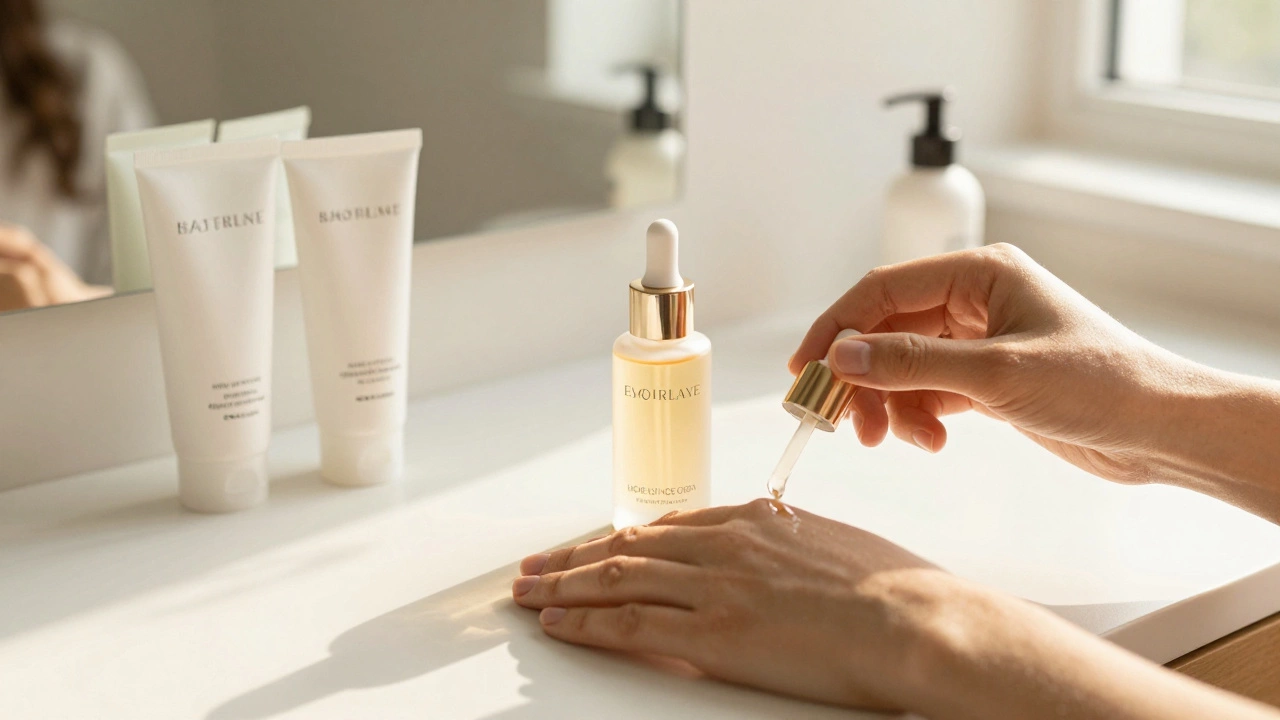
You do not have to choose one camp exclusively. The most strategic approach is a hybrid routine. Focus your budget on products that penetrate deep into the skin and require complex formulations, such as serums and treatments. Save money on rinse-off products and basic moisturizers.
For example, invest in a high-quality Vitamin C serum if you find that cheaper versions oxidize too quickly or irritate your skin. Pair it with a drugstore cleanser and a affordable hyaluronic acid booster. Cleansers sit on your skin for only 60 seconds before being washed away. Their primary job is to remove dirt and oil, which inexpensive surfactants do perfectly well. There is no benefit to washing your face with a $100 cleanser.
Similarly, sunscreen is a commodity. Chemical filters like Avobenzone and Octinoxate are standardized. A $15 drugstore SPF 50 offers the same UV protection as a $60 luxury tinted moisturizer. The latter might offer better makeup base properties, but for pure sun protection, the science is identical.
Common Pitfalls to Avoid
Regardless of price, avoid these common mistakes:
- Over-exfoliating: Using strong acids daily damages your skin barrier, leading to redness and breakouts. This happens just as easily with cheap glycolic acid as with expensive enzyme peels.
- Inconsistency: Changing products every week prevents your skin from adapting. Stick with a routine for at least six weeks to judge effectiveness.
- Ignoring Sun Protection: No amount of expensive retinol or peptides will fix photoaging if you do not wear sunscreen daily. This is the single most impactful step in any regimen.
- Chasing Trends: Viral ingredients on social media are not always suitable for your specific skin type. What works for a dry, mature complexion may destroy an oily, acne-prone one.
Final Thoughts on Value
Is high-end skincare better? In terms of raw biological impact on wrinkles, spots, and hydration, often no. Drugstore brands have democratized access to proven actives like retinoids, niacinamide, and salicylic acid. However, high-end brands excel in user experience, stability, and sometimes in targeting very specific concerns with proprietary blends.
Your best strategy is to treat skincare as a personal experiment. Start with affordable basics. Identify what your skin lacks-moisture, exfoliation, or brightening-and introduce targeted treatments. Only upgrade to luxury items if you find that cheaper alternatives cause irritation or fail to deliver the desired sensory satisfaction. Remember, the best skincare routine is the one you will actually use every day, consistently, for years.
Can drugstore skincare damage my skin?
Generally, no. Drugstore products must meet the same safety regulations as luxury brands. However, cheaper products may rely more on synthetic fragrances or simpler preservative systems, which can irritate sensitive skin types. Always patch test new products, regardless of price.
Why are some serums so expensive?
Expensive serums often feature patented delivery systems, higher concentrations of unstable ingredients, or exclusive botanical extracts. They also carry significant marketing costs. While effective, their results are not necessarily superior to well-formulated mid-range alternatives.
Should I buy luxury cleansers?
Usually, no. Since cleansers are rinsed off, they have minimal contact time with the skin. An affordable, gentle cleanser that removes impurities without stripping moisture is sufficient. Save your budget for leave-on treatments like serums and moisturizers.
Do expensive moisturizers work better?
They may feel better. Basic moisturizing relies on occlusives (like petrolatum) and humectants (like glycerin), which are inexpensive. Luxury moisturizers often improve texture and absorption, making them more pleasant to use, but the fundamental hydration mechanism is similar across price points.
How do I know if a product is worth the hype?
Look at the ingredient list. If the key active ingredient is listed within the first five components, it is likely present in an effective concentration. Read reviews from people with similar skin types, not just influencers. Be wary of products that promise miraculous overnight results, as skin biology works on a slower timeline.