Cruelty-Free Lip Balm Checker
Select a brand below to instantly verify its cruelty-free status, parent company ownership, and China sales policy.
Select a brand to start
Click on any brand card to see the details.
It is a frustrating reality for anyone trying to build an ethical bathroom cabinet: the brand you trust might not share your values. If you have been wondering whether ChapStick is truly cruelty-free, the short answer is no. While the product itself is cheap, effective, and everywhere, it fails the basic test of modern ethical beauty standards. To understand why, we need to look past the colorful tubes and examine who actually owns the brand and where they sell their products.
The Owner Behind the Brand: Rohto Pharmaceutical
To determine if a brand is cruelty-free, you cannot just look at the logo on the tube. You have to look at the parent company. ChapStick is owned by Rohto Pharmaceutical, a major Japanese healthcare and cosmetics conglomerate. Rohto is a massive entity that produces everything from eye drops to skincare, and crucially, it operates in markets with strict legal requirements for animal testing.
Here is the core conflict: Rohto sells its products, including ChapStick, in mainland China. For many years, China required mandatory animal testing on all imported cosmetics. While regulations have shifted slightly since 2021, allowing some "ordinary" cosmetics to skip pre-market animal testing if manufactured locally or meeting specific safety criteria, the landscape remains complex. More importantly, if a product triggers a post-market complaint or investigation, authorities can still demand animal testing. Because Rohto chooses to sell in these markets and does not publicly refuse to comply with such demands, they cannot be considered cruelty-free by any major certification body.
Why Certifications Matter More Than Marketing
You might see claims online suggesting that ChapStick doesn't test on animals. This is technically true in one narrow sense: Rohto likely does not *voluntarily* send ChapStick to labs for testing when it isn't legally required. However, being "cruelty-free" means more than just avoiding voluntary tests. It means refusing to sell in markets that require testing and ensuring no third-party suppliers test on your behalf.
This is where independent certifications come into play. Organizations like PETA (People for the Ethical Treatment of Animals) and Leaping Bunny set strict standards. Leaping Bunny, in particular, requires brands to sign a commitment to never test on animals anywhere in the world, including through subsidiaries or suppliers. They also conduct regular audits. ChapStick holds neither of these certifications. In fact, Rohto is often listed on PETA's "Companies That Do Test on Animals" list due to their compliance with Chinese regulations and other international mandates.
| Brand | Parent Company | Sells in China? | Leaping Bunny Certified? | Cruelty-Free Status |
|---|---|---|---|---|
| ChapStick | Rohto Pharmaceutical | Yes | No | Not Cruelty-Free |
| Burt's Bees | Natura &Co | No (Online only) | Yes | Cruelty-Free |
| Vaseline Lip Therapy | Unilever | Yes | No | Not Cruelty-Free |
| EOS Lip Balm | Colgate-Palmolive | Yes | No | Not Cruelty-Free |
The China Factor Explained
Let's get specific about why selling in China disqualifies a brand. Until recently, any cosmetic product sold physically in mainland China had to undergo animal testing before hitting the shelves. Even with recent regulatory changes that allow some cross-border e-commerce sales without testing, the risk remains. If a consumer reports an adverse reaction, Chinese health authorities can order animal testing to investigate. By choosing to operate in this market, companies like Rohto accept the possibility of animal testing as part of their business model.
This is different from brands that are purely digital-only in China or those that manufacture locally under strict non-testing agreements. Rohto has not made public commitments to bypass these tests, which means they prioritize market access over animal welfare. For consumers who define cruelty-free as "zero animal testing under any circumstance," this makes ChapStick a dealbreaker.
Is ChapStick Vegan?
Another common question is whether ChapStick is vegan. The answer is complicated. Many standard ChapStick formulas contain beeswax, lanolin (derived from sheep's wool), and carmine (a red pigment from crushed insects). These ingredients are not vegan. However, Rohto does produce some lines labeled as "vegan-friendly" or free from animal-derived ingredients. But here is the catch: even if a specific tube contains no animal ingredients, if the parent company tests on animals, the product is not considered ethically sound by most vegans. Being vegan refers to ingredients; being cruelty-free refers to testing practices. A product can be vegan but not cruelty-free, and vice versa. ChapStick fails the cruelty-free test regardless of its ingredient list.
What Should You Buy Instead?
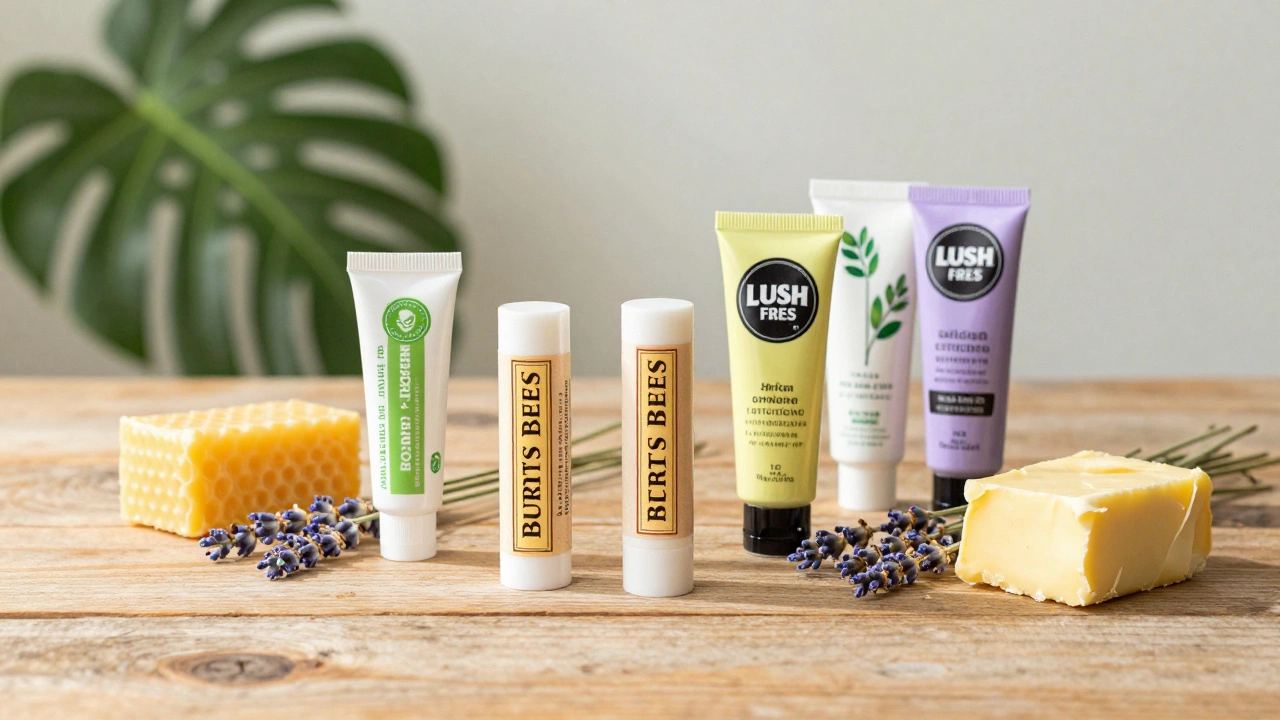
If you want to protect your lips without compromising your ethics, there are plenty of excellent alternatives. The key is to look for brands that are independently certified. Here are a few reliable options that do not test on animals and do not sell in markets requiring animal testing:
- Burt's Bees: Owned by Natura &Co, which has a strong cruelty-free policy. Their original beeswax lip balm is a classic alternative.
- EOS (Evolution of Smooth): Wait-check the current status. EOS was acquired by Colgate-Palmolive, which is NOT cruelty-free. Avoid EOS now. Look for Acure or Dr. Bronner's instead.
- Acure Organics: Offers affordable, Leaping Bunny-certified lip balms with natural ingredients.
- Dr. Bronner's Magic Lip Balm: Known for organic, fair-trade ingredients and strict cruelty-free policies.
- Lush: Famous for their solid lip balms in tins, fully certified by PETA and Leaping Bunny.
When shopping, always check the Leaping Bunny website or PETA's database. These lists are updated regularly, whereas marketing labels on packaging can sometimes be misleading or outdated.
Common Misconceptions About ChapStick
You might hear people say, "But ChapStick says 'not tested on animals' on their site." This is a common point of confusion. Companies often use vague language. Saying "we don't test on animals" can mean "we don't pay for tests ourselves," while ignoring the fact that governments or retailers might force them to do so. True cruelty-free brands state clearly: "We do not test on animals, nor do we allow others to test on our behalf, anywhere in the world." ChapStick does not make this comprehensive claim.
Another myth is that because ChapStick is a drug (it treats chapped lips), it is exempt from cosmetic testing rules. In the US, the FDA regulates drugs differently, but this does not absolve the company from global ethical standards. If you care about animal welfare, the origin of the product matters less than the corporate policy behind it.
How to Verify Cruelty-Free Claims Yourself
Don't just take my word for it. You can verify this information yourself using a few simple steps. First, visit the official websites of Leaping Bunny and PETA. Search for "ChapStick" or "Rohto." You will find them listed under companies that test on animals or lack certification. Second, check the ingredient list. If you see beeswax, lanolin, or carmine, the product is not vegan. Third, look for the bunny logo. Legitimate certifications include a holographic seal or a reference to the certifying body on the packaging. ChapStick packaging rarely features these marks.
Being informed is the first step toward making ethical choices. The beauty industry is moving toward transparency, but legacy brands like ChapStick still lag behind. By choosing certified alternatives, you vote with your wallet for a kinder future.
Is ChapStick owned by a cruelty-free company?
No. ChapStick is owned by Rohto Pharmaceutical, which sells products in markets that require animal testing, such as mainland China. Therefore, Rohto is not considered a cruelty-free company.
Does ChapStick sell in China?
Yes, ChapStick products are available in China. Selling in physical stores in mainland China often involves compliance with animal testing regulations, which disqualifies the brand from being cruelty-free.
Is ChapStick Leaping Bunny certified?
No, ChapStick is not Leaping Bunny certified. Leaping Bunny requires brands to commit to no animal testing anywhere in the supply chain and to avoid selling in markets that mandate such tests.
Are there any vegan ChapStick options?
Some ChapStick varieties may not contain animal-derived ingredients like beeswax or lanolin, but the brand as a whole is not vegan-certified. More importantly, even if a specific formula is plant-based, the parent company's testing practices mean it is not cruelty-free.
What is a good cruelty-free alternative to ChapStick?
Excellent cruelty-free alternatives include Burt's Bees, Acure Organics, Dr. Bronner's, and Lush. These brands are certified by Leaping Bunny or PETA and do not sell in markets requiring animal testing.