Hair Health & Strength Estimator
Use this tool to evaluate your current hair care routine. Adjust the sliders and checkboxes to reflect your daily habits, then calculate your score to see where you can improve.
Your Hair Profile
Damage Habits (Check if applicable)
Adjust the settings on the left and click "Calculate" to see your results.
Hair Health Score
You look in the mirror, run your fingers through your strands, and notice your ponytail feels thinner than it did five years ago. Or maybe your hair snaps when you try to brush out a knot. It’s frustrating. We often think of thick hair as purely genetic luck, but that’s only half the story. Your hair follicle is a living factory, and like any factory, its output depends on the raw materials you supply and how well you maintain the machinery. If you’re wondering how to actually make your hair thicker and stronger without falling for every miracle shampoo on the shelf, you need to understand what drives growth and what causes breakage.
The Science Behind Thin and Weak Hair
Before buying another bottle of serum, let’s clarify what "thin" and "weak" actually mean. They are two different problems requiring different solutions. Hair density refers to the number of strands per square inch on your scalp. If you have low density, your scalp shows through because there are fewer hairs, not necessarily because each individual strand is tiny. On the other hand, hair shaft diameter determines the actual thickness of each strand. Fine hair has a small diameter; coarse hair has a large one. You can’t easily change your genetic predisposition for density or diameter, but you can maximize what you have.
Weakness, however, is often structural damage. The outer layer of your hair, called the cuticle, protects the inner cortex. When this cuticle lifts due to heat styling, chemical processing, or rough handling, moisture escapes, and the hair becomes brittle. This leads to breakage, which makes hair look thin even if new growth is healthy. Addressing weakness means protecting the existing length, while addressing thickness requires optimizing the scalp environment for new growth.
Nourish from the Inside Out
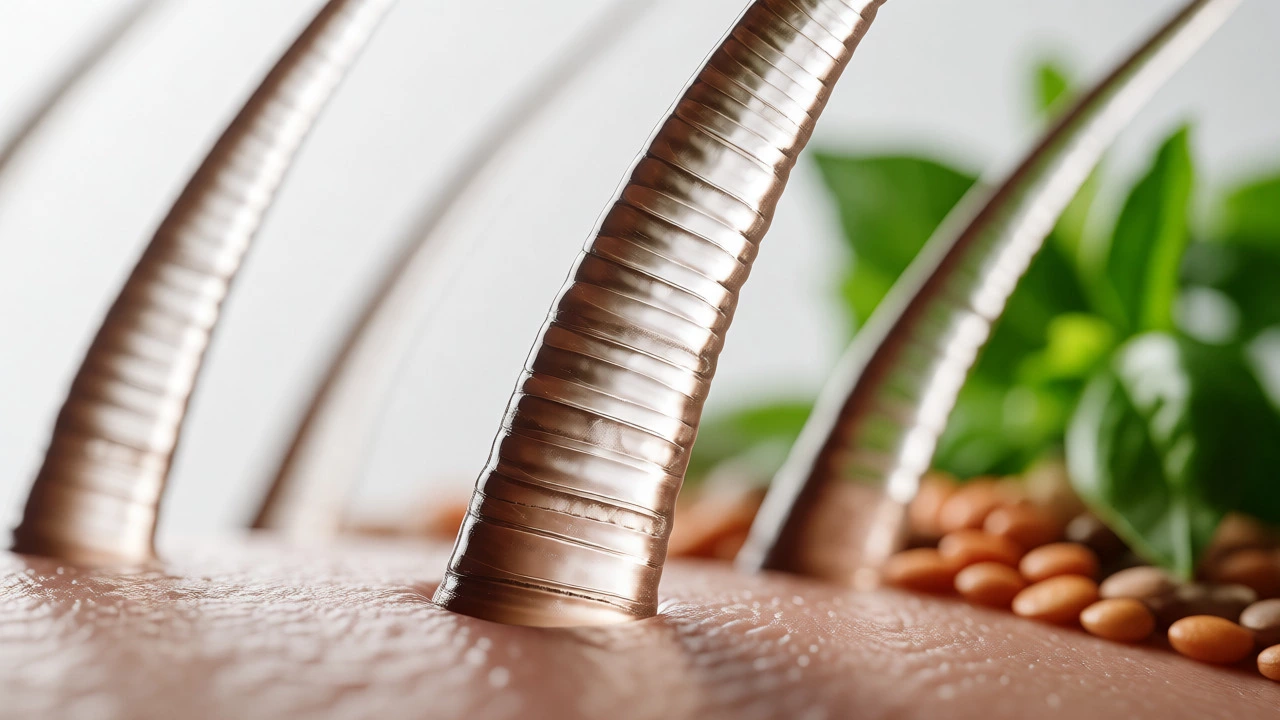
Hair is dead tissue once it exits the scalp, so topical products can only do so much for new growth. The real magic happens in the dermal papilla, the structure at the base of the follicle that feeds nutrients to the growing hair. If your body lacks essential building blocks, it prioritizes vital organs over hair, leading to slower growth and finer strands.
Protein is the non-negotiable foundation. Hair is primarily made of keratin, a tough protein. If you’re vegetarian or vegan, ensure you’re getting enough amino acids from sources like lentils, quinoa, tofu, or pea protein powder. Iron deficiency is another common culprit, especially among women. Low ferritin levels (stored iron) directly correlate with shedding. A simple blood test can confirm this. If your levels are low, dietary changes might not be enough, and supplementation may be necessary under medical guidance.
Biotin gets all the hype, but it’s rarely the missing link unless you have a specific deficiency. More impactful nutrients include Vitamin D, which plays a role in creating new follicles, and Zinc, which helps repair hair tissue. In Auckland, where winter sunlight is scarce, Vitamin D supplementation is often recommended for overall health, including hair quality.
Scalp Health Is the Soil
Think of your scalp as soil and your hair follicles as plants. You wouldn’t expect a garden to thrive in compacted, nutrient-poor dirt. Similarly, a congested scalp hinders growth. Buildup from dry shampoos, silicones, and natural oils can clog follicles, restricting oxygen and nutrient flow.
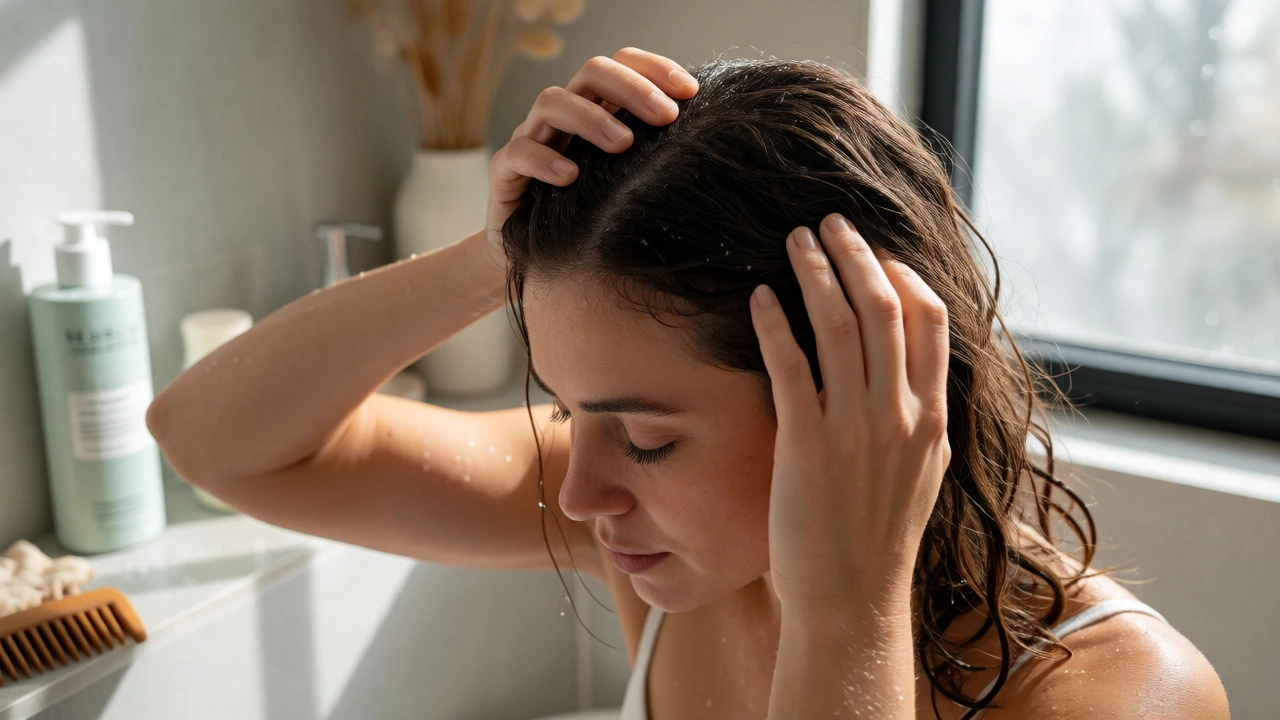
Regular exfoliation helps clear this buildup. You don’t need harsh scrubs. A gentle salicylic acid-based cleanser used once a week can dissolve debris without stripping natural oils. Massage is also powerful. Spending five minutes massaging your scalp daily increases blood circulation to the dermal papilla. One study published in the *Plastic and Reconstructive Surgery* journal found that standardized scalp massage increased hair thickness after 24 weeks by stretching the cells of hair follicles, stimulating them to produce thicker hair.
If you suffer from dandruff or seborrheic dermatitis, treat it aggressively. Inflammation around the follicle can lead to scarring and permanent hair loss. Look for ingredients like ketoconazole or pyrithione zinc, which reduce fungal growth and inflammation.
Minimize Mechanical and Chemical Damage
You can grow strong hair, but if you break it off faster than it grows, you’ll never see length or volume. Most damage comes from everyday habits we ignore. Wet hair is at its most fragile state. The hydrogen bonds that hold the keratin structure together temporarily break when wet, making strands elastic and prone to snapping. Avoid brushing wet hair vigorously. Instead, use a wide-tooth comb starting from the ends and working up, or apply a leave-in conditioner to provide slip before detangling.
Heat styling is another major offender. Straighteners and curling irons operate at temperatures above 180°C (356°F), which can boil the water inside the hair shaft, creating steam bubbles that weaken the structure. If you must use heat, always apply a thermal protectant. Better yet, limit heat styling to special occasions and embrace air-drying or silk-wrapped styles overnight.
Chemical treatments like bleaching permanently alter the hair’s protein structure. While modern bond-building treatments (like Olaplex or K18) help mitigate damage during the process, they cannot fully reverse it. If your hair is already fine and weak, consider skipping bleach entirely or opting for semi-permanent color instead.
| Stressor | Impact on Hair | Mitigation Strategy |
|---|---|---|
| Hot Water Washing | Strips natural oils, raises cuticle | Use lukewarm water; finish with a cool rinse |
| Tight Hairstyles | Traction alopecia (pulling at roots) | Avoid tight ponytails/buns; use soft fabric ties |
| Cotton Pillowcases | Friction causes breakage and frizz | Switch to silk or satin pillowcases |
| Sulfate Shampoos | Over-cleansing, dryness | Rotate with sulfate-free options; co-wash mid-week |
Choosing the Right Products
The market is flooded with "volumizing" and "strengthening" claims. Here’s how to cut through the noise. For thickness, look for ingredients that stimulate the follicle or coat the strand to add temporary bulk. Caffeine-infused shampoos have shown promise in lab studies for extending the growth phase of hair cycles. Peptides, such as copper tripeptide-1, may support follicle health.
For strength, focus on proteins and humectants. Hydrolyzed wheat protein or rice protein can penetrate the hair shaft slightly, filling in gaps in the cuticle and adding rigidity. However, too much protein can make hair stiff and brittle. Balance it with moisturizing ingredients like glycerin, hyaluronic acid, or panthenol (Vitamin B5).
Don’t overlook the power of silicone alternatives. Traditional silicones like dimethicone coat the hair, providing shine and slip, but they can build up over time, weighing fine hair down. Newer lightweight esters or plant-derived oils like argan or jojoba offer similar benefits without the heavy residue.
Lifestyle Factors That Sabotage Growth
Your hair reflects your overall health. Chronic stress elevates cortisol levels, which can push hair follicles into a resting phase prematurely, leading to telogen effluvium-a condition where hair sheds excessively months after a stressful event. Managing stress through exercise, meditation, or adequate sleep isn’t just good for your mind; it’s critical for your hair cycle.
Sleep deprivation disrupts hormonal balance, including the production of melatonin, which has antioxidant properties that protect hair follicles from oxidative stress. Aim for seven to nine hours of quality rest.
Smoking constricts blood vessels, reducing blood flow to the skin and scalp. This deprives follicles of oxygen and nutrients. Quitting smoking can improve hair quality significantly within months.
When to See a Professional
If you’ve optimized your diet, reduced damage, and managed stress but still experience significant thinning or patchy loss, consult a dermatologist or trichologist. Conditions like female pattern hair loss (androgenetic alopecia) require medical intervention, such as minoxidil or spironolactone, which work differently than cosmetic products. Early diagnosis prevents permanent follicle miniaturization.
How long does it take to see results?
Hair grows slowly, about 1-1.5 cm per month. For visible changes in thickness and strength, you typically need to wait three to six months. Consistency is key; sporadic treatment won't yield lasting results.
Does cutting hair make it grow back thicker?
No, this is a myth. Cutting hair removes split ends, which prevents further breakage up the shaft. This makes the remaining hair appear healthier and fuller, but it doesn't change the biological growth rate or diameter of new strands emerging from the root.
Are biotin supplements effective for everyone?
Not necessarily. Biotin helps only if you are deficient. Excess biotin can interfere with thyroid tests and acne medications. It's better to get nutrients from food first and consult a doctor before starting high-dose supplements.
Can cold water washing really increase shine?
Yes, finishing with a cold rinse helps flatten the hair cuticle. A smooth cuticle reflects light better, resulting in shinier hair. It also helps seal in moisture from your conditioner.
Is daily washing bad for hair thickness?
It depends on your scalp type. Oily scalps may need daily cleansing to prevent clogged follicles. Dry scalps benefit from less frequent washing to retain natural oils. Listen to your scalp rather than following a rigid schedule.