Laser Hair Removal Pain & Comfort Calculator
Estimated Sensation Score
-- / 10Select options to see results.
Your Customized Comfort Strategy
Imagine a rubber band snapping against your skin. Now imagine that happening hundreds of times in rapid succession. That is the closest most people get to describing Laser Hair Removal, a popular cosmetic procedure designed for permanent hair reduction. But here is the truth: it rarely feels like pure torture. For many, it is more of an annoying snap or a warm prick. The real question isn’t just "does it hurt," but "how much can I handle, and how can I make it easier?" If you are sitting on the fence because of fear of pain, this guide will break down exactly what to expect, where it hurts the most, and how to hack the process so you can walk out with smooth skin and zero regrets.
The Science Behind the Sting
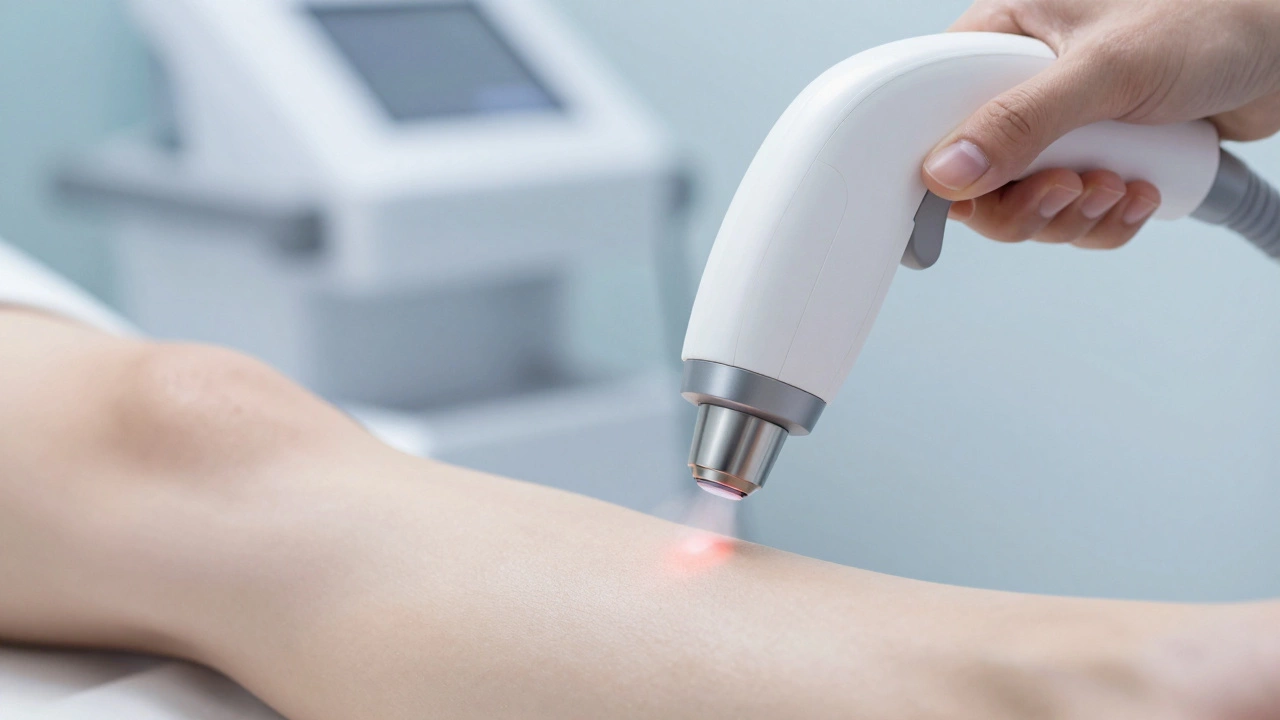
To understand why laser hair removal hurts, you have to look at what the machine is actually doing. It is not magic; it is physics. The device emits concentrated beams of light that target the melanin (pigment) in your hair follicle. This light energy converts into heat, which damages the follicle to stop future growth. Think of it as cooking the root of the hair from the inside out.
The pain comes from that sudden spike in temperature. Your nerve endings detect the heat and send a signal to your brain. However, modern technology has changed the game significantly. Older lasers were slow and hot, requiring a cooling gel that felt messy and cold. Today’s devices, like those using Diode Lasers or Alexandrite Lasers, often feature integrated cooling systems. These systems blast chilled air or use a cryogen spray milliseconds before and after the pulse. This protects your top layer of skin while the laser heats the deeper follicle. The result? You feel the snap, but the burning sensation is drastically reduced.
Pain Levels by Body Part
Not all areas of your body are created equal when it comes to sensitivity. The thickness of your skin and the density of nerve endings play a huge role. Here is a realistic breakdown of pain levels across different zones, rated on a scale of 1 to 10, where 10 is unbearable.
| Body Area | Pain Level (1-10) | Sensation Description | Difficulty Tolerating |
|---|---|---|---|
| Legs & Arms | 1 - 3 | Mild tingling, slight warmth | Very Easy |
| Underarms | 4 - 6 | Sharp snaps, stinging | Moderate |
| Bikini Line | 5 - 7 | Intense pinpricks, hot spots | Challenging |
| Upper Lip & Chin | 6 - 8 | Electric shock feeling, sharp sting | Difficult |
| Back & Chest | 3 - 5 | Warmth with occasional sharp hits | Moderate |
Your legs are usually the easiest part of the journey. The skin is thicker, and the nerves are less sensitive. Most people describe leg treatments as feeling like a warm massage with occasional static shocks. On the flip side, the face-specifically the upper lip-is notorious for being painful. The skin there is thin, and the nerve endings are packed tightly together. When the laser hits the upper lip, it can feel like a tiny electric needle poking you directly. If you have dark hair and fair skin, the contrast helps the laser work efficiently, but it also means the energy absorption is higher, potentially increasing the sensation.
Factors That Influence Your Pain Threshold
Your personal experience with pain is subjective and influenced by several biological and environmental factors. Understanding these can help you prepare mentally and physically.
- Hair Color and Thickness: Dark, coarse hair absorbs more laser energy than fine, light hair. This means the follicle gets hotter faster, which can translate to a sharper sensation. If you have blonde, red, or grey hair, traditional lasers might not work well anyway, but if they do, the pain is usually lower because less energy is absorbed.
- Skin Tone: Historically, darker skin tones were at higher risk for burns because the melanin in the skin competed with the hair for the laser’s attention. Modern Nd:YAG lasers are safer for darker skin, but technicians must use lower settings to avoid damaging the epidermis. Lower settings mean less heat, which often results in less pain, though it may require more sessions.
- Hormonal Cycles: Many women report increased sensitivity during their menstrual cycle. Hormonal fluctuations can lower your pain threshold, making the bikini line or underarm treatments feel more intense. Scheduling your appointment mid-cycle, when estrogen levels are stable, can sometimes make a noticeable difference.
- Tech Skill: A skilled technician knows how to glide the handpiece smoothly and adjust the fluence (energy level) based on your feedback. An inexperienced operator might linger too long or use too high a setting, turning a manageable snap into a burn. Always choose a certified professional over a cheap discount clinic.
How to Numb the Pain: Practical Strategies
You don’t have to white-knuckle through the treatment. There are proven ways to reduce discomfort without compromising the results. However, timing is everything.
Topical Numbing Creams
Creams containing lidocaine or prilocaine are the gold standard for numbing. Brands like EMLA or generic prescription-strength creams work by blocking nerve signals in the area. The catch? You need to apply them correctly. Slathering cream on right before you arrive won’t help. You must apply a thick layer, cover it with plastic wrap (to create an occlusive barrier), and leave it on for 45 to 60 minutes before the session. This allows the medication to penetrate deep enough to dull the sensation. Ask your clinic if they provide this service or if you should bring your own.
Cold Compresses and Ice
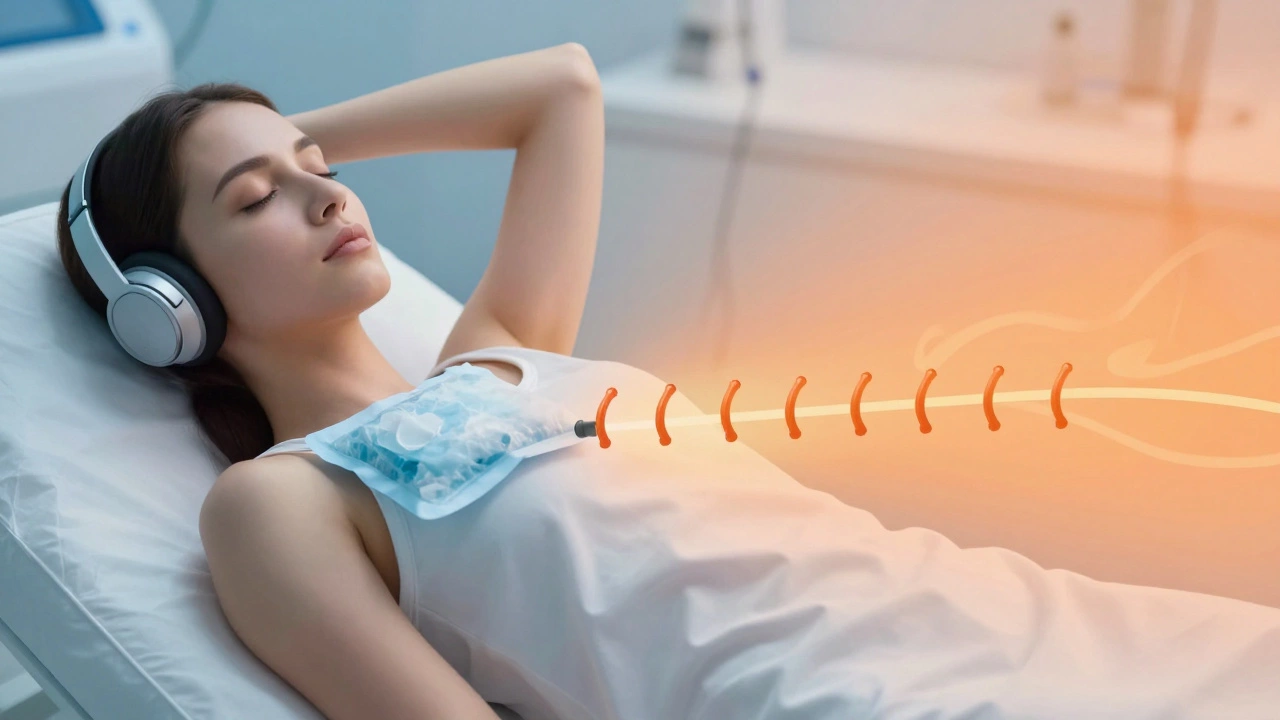
If you are squeamish about chemicals, ice is your friend. Applying an ice pack to the area for 10-15 minutes before the treatment can numb the surface nerves. Some clinics use cold air blowers attached to the laser itself, which provides continuous cooling. If you are treating your legs, you can even keep a bag of frozen peas nearby to press against the skin between pulses.
Distraction Techniques
Your brain can only focus on so many things at once. Listening to loud music with noise-canceling headphones, watching a funny video on your phone, or engaging in animated conversation with the technician can take your mind off the snapping sensation. Anxiety amplifies pain, so staying relaxed is crucial. Take deep breaths. Inhale for four seconds, hold for four, and exhale for four. This simple technique lowers your heart rate and reduces muscle tension, making the skin less reactive.
Avoid Heat and Irritants
In the 24 hours leading up to your appointment, avoid anything that sensitizes your skin. No hot showers, no saunas, no exfoliating scrubs, and definitely no sun exposure. Sunburned skin is incredibly sensitive to laser energy and will hurt significantly more. Also, avoid caffeine on the day of your treatment. Caffeine constricts blood vessels and can increase anxiety, both of which may heighten your perception of pain.
What Happens After: Managing Post-Treatment Discomfort
The pain doesn’t always end when the laser stops. Immediately after the session, you might experience redness, swelling, and a sunburn-like sensation. This is normal and usually subsides within a few hours to a couple of days. Here is how to manage the aftermath.
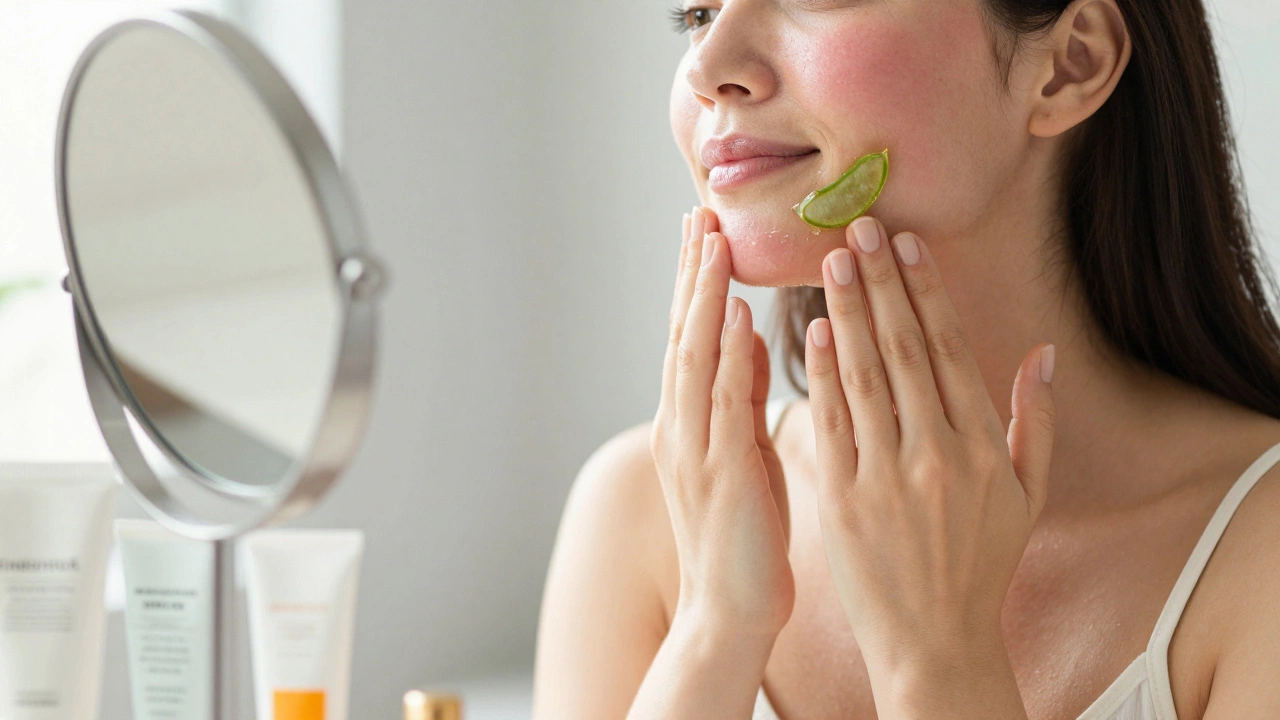
Soothe the Skin: Apply a gentle, fragrance-free moisturizer or aloe vera gel. Avoid products with alcohol, retinoids, or acids, as these will sting and irritate the already compromised skin barrier. Cool compresses can also help reduce inflammation.
Protect from the Sun: Your skin is vulnerable after laser hair removal. UV exposure can cause hyperpigmentation (dark spots) or burns. Wear sunscreen with SPF 30 or higher whenever you go outside, even if you are just walking to the car. Cover up with loose clothing if possible.
Don’t Pick or Scratch: As the treated hairs shed over the next few weeks, your skin might itch. Resist the urge to pick at it. Picking can lead to infection or scarring. Let the hairs fall out naturally through showering or gentle exfoliation after a few days.
When to Worry: Signs of Complications
While laser hair removal is generally safe, complications can occur. If you experience severe blistering, crusting, changes in skin color that last more than a week, or signs of infection (pus, excessive heat, spreading redness), contact your provider immediately. These are not normal side effects and indicate that the settings were too high or the skin was not properly prepared.
Is It Worth It?
Despite the initial discomfort, most people agree that laser hair removal is worth the temporary sting. The convenience of not having to shave, wax, or pluck every few days is a game-changer. Over time, as the hair becomes finer and sparser, the treatments become less painful because there is less pigment for the laser to target. By the final sessions, many clients barely feel anything at all. It is an investment in your comfort and confidence, and with the right preparation, the pain is manageable for almost everyone.
Does laser hair removal hurt more than waxing?
It depends on your pain tolerance and the area being treated. Waxing involves ripping hair out by the root, which causes a sharp, tearing pain. Laser hair removal feels more like a quick snap or heat. For large areas like legs, laser is often considered less painful than waxing because it is quicker and doesn't involve adhesive strips. For sensitive areas like the bikini line, some find the precision of laser less traumatic than the broad strip of wax, but others prefer the familiarity of waxing. Generally, laser pain is described as more tolerable and shorter-lived than waxing pain.
Can I take painkillers before laser hair removal?
Over-the-counter pain relievers like ibuprofen or acetaminophen can help reduce general discomfort and inflammation, but they are not strong enough to block the specific nerve sensations caused by the laser. They are best used for managing post-treatment soreness. Avoid aspirin, as it can thin the blood and increase the risk of bruising or bleeding. Topical numbing creams are far more effective for immediate pain relief during the procedure.
Why does my skin feel hot after laser hair removal?
The heat you feel is a residual effect of the thermal energy used to damage the hair follicles. This is a normal physiological response called erythema. It typically looks like mild redness and feels like a sunburn. This sensation usually fades within 2 to 24 hours. Applying cool compresses and soothing aloe vera can help accelerate the cooling process. If the heat persists for more than 48 hours or is accompanied by blisters, seek medical advice.
Does laser hair removal get less painful over time?
Yes, it generally does. As you undergo multiple sessions, the hair becomes thinner, lighter, and sparser. Since the laser targets melanin (pigment), there is less pigment for the laser to absorb in later stages. This means the energy required to damage the follicle decreases, resulting in a milder sensation. Additionally, your body may become desensitized to the sensation of the laser handpiece moving across your skin.
Can I shave before laser hair removal to reduce pain?
You must shave before laser hair removal, but not to reduce pain specifically-to ensure safety and effectiveness. Shaving removes the hair above the skin surface, preventing the laser from burning the external hair and causing superficial burns. You should shave 24 hours before your appointment. Do not wax, pluck, or thread, as these methods remove the root, which the laser needs to target. Shaving makes the skin smoother, which can slightly reduce friction and irritation, but its primary purpose is technical accuracy.