
Hair Washing Frequency Calculator
Not sure how often you should wash your hair? Answer the questions below to get a personalized recommendation based on your biology and lifestyle.
Recommendation
Why this works for you:
You’re standing in the shower, shampoo bottle in hand, wondering if you’re doing it right. Is every day too much? Is once a week enough? The truth is, there’s no single rule that fits everyone. Hair washing is a personal hygiene practice that involves cleansing the scalp and hair strands to remove excess oil (sebum), dirt, and product buildup. While some people thrive on daily showers, others see their hair turn into straw if they wash more than twice a week.
Getting this balance wrong can lead to real problems. Wash too often, and you strip your natural oils, leaving your scalp dry and itchy. Wash too little, and you risk clogged pores, dandruff, and a greasy look that no amount of dry shampoo can fully fix. So, how do you find your sweet spot? It comes down to understanding your specific hair type, lifestyle, and environment. Let’s break it down without the fluff.
Your Hair Type Dictates the Schedule
The biggest factor in determining how often you should hit the shower isn’t what you read in magazines-it’s biology. Specifically, how fast your scalp produces sebum. Sebum is that natural oil your body makes to keep your skin and hair lubricated. Some people are just genetically wired to produce more of it.
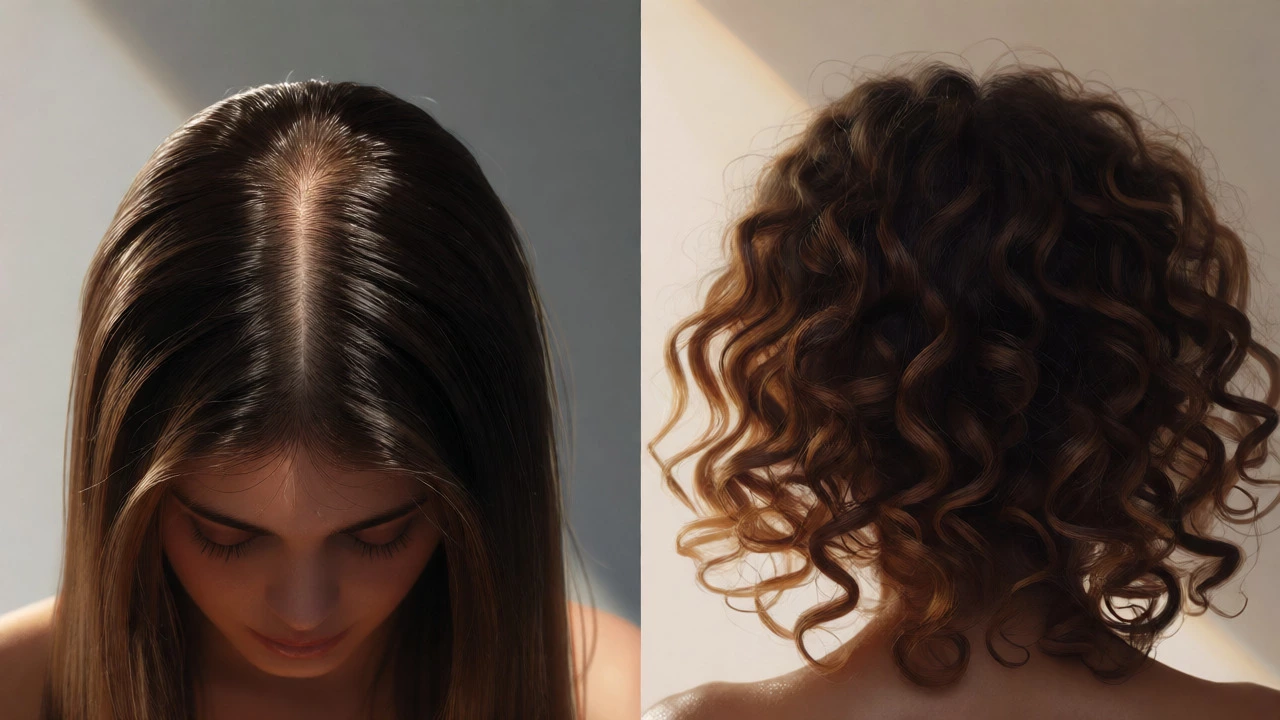
If you have Fine or Straight Hair, hair texture where each strand has a small diameter, allowing oil to travel quickly from the root to the tip, you’ll likely need to wash more frequently. The oil doesn’t have anywhere to hide. It slides right down the shaft, making roots look flat and greasy within 24 hours. For these folks, washing every other day or even daily might be necessary to maintain volume and cleanliness.
On the flip side, if you have Curly or Coily Hair, hair with a tight spiral structure that prevents sebum from traveling easily down the hair shaft, you’re in a different league. The twists and turns act as roadblocks for oil. This means your ends stay dry while your scalp might still feel okay for days. Washing curly hair every day is usually a recipe for frizz and breakage. Most experts recommend washing curly textures once or twice a week at most. If you’re tempted to skip it entirely, remember that sweat and pollution still build up, so don’t go longer than seven days without a proper cleanse.
Lifestyle and Activity Levels Matter
Think about your average Tuesday. Did you sit at a desk all day, or did you run five kilometers before breakfast? Your activity level changes the math significantly. Sweat itself isn’t dirty, but when it mixes with bacteria on your scalp, it can create an unpleasant odor and itchiness. If you work out heavily four times a week, you probably can’t get away with washing only once a week.
However, here’s a pro tip: you don’t always need full shampoo treatment after a light workout. Rinsing your hair with warm water can remove sweat and salt without stripping essential oils. Save the shampoo for when you’ve used heavy styling products or when your scalp genuinely feels oily. This hybrid approach keeps your hair clean while preserving its moisture barrier.
Consider your environment, too. Living in Auckland, I deal with high humidity which can make hair limp faster, but also plenty of UV exposure which dries it out. If you live in a dusty city or work around chemicals, you’ll need to wash more often to remove particulate matter. Conversely, if you spend most of your time in air-conditioned offices with minimal pollution, your hair stays cleaner for longer.
The Dangers of Over-Washing vs. Under-Washing
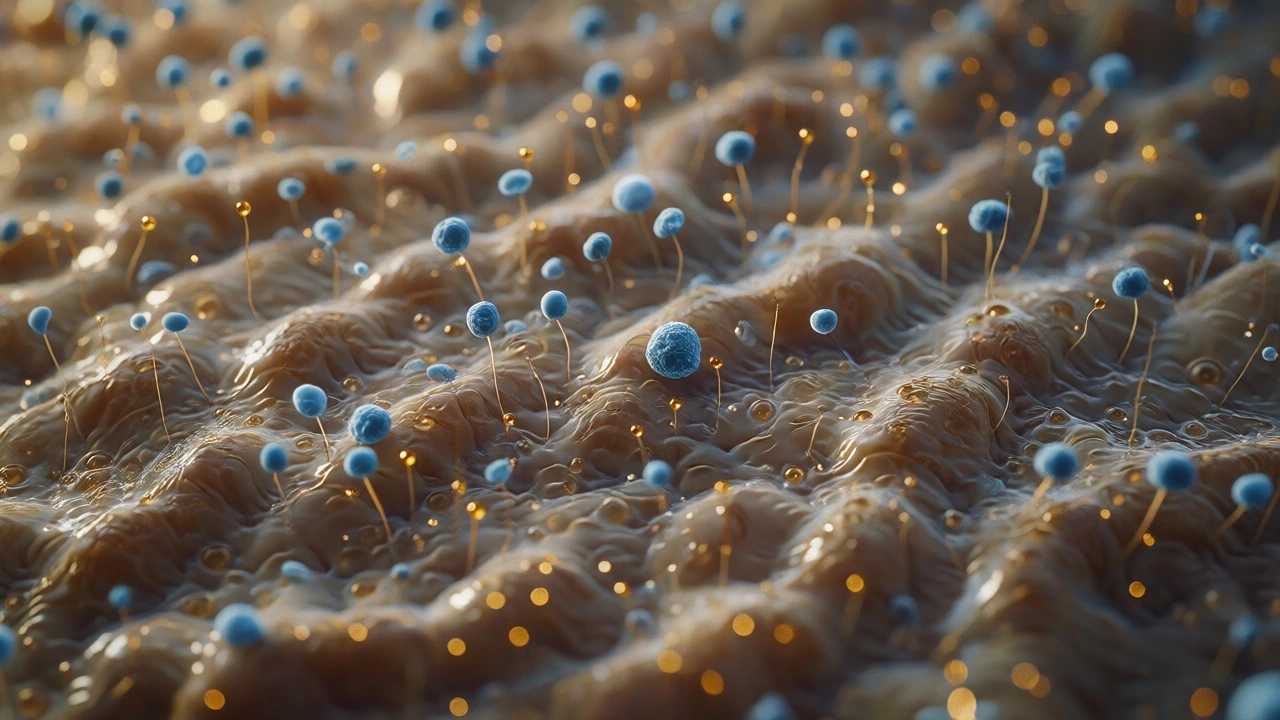
It’s easy to think that more washing equals cleaner hair, but that’s not how biology works. When you over-wash, you disrupt the Scalp Microbiome, the community of microorganisms living on the scalp that helps regulate oil production and protect against pathogens. Your scalp notices the sudden lack of oil and goes into overdrive, producing even more sebum to compensate. This creates a vicious cycle where you feel like you need to wash daily because your hair gets greasy faster.
| Issue | Symptoms | Likely Cause |
|---|---|---|
| Over-Washing | Dry, brittle ends; itchy scalp; excessive oil production shortly after washing; static electricity. | Stripping natural lipids; disrupting scalp pH. |
| Under-Washing | Visible grease at roots; dandruff flakes; unpleasant odor; product buildup weighing hair down. | Accumulation of sebum, dead skin cells, and pollutants. |
Under-washing has its own set of risks. Dead skin cells accumulate on the scalp, mixing with oil to form crusty patches. This is often mistaken for dry dandruff, but it’s actually seborrheic dermatitis triggered by yeast feeding on the excess oil. If you notice redness or scaling, you’re likely skipping too many washes.
Adjusting for Age and Hormones
Your ideal schedule isn’t static. It shifts throughout your life. Teenagers, thanks to hormonal surges during puberty, often have extremely oily scalps. Washing daily might be unavoidable during these years. As you move into your 30s and 40s, hormone levels stabilize, and oil production typically slows down. You might find you can stretch to two or three washes a week.
Menopause brings another change. Decreasing estrogen levels can lead to thinner hair and a drier scalp. Many women find their hair becomes finer and more prone to breakage, requiring gentler, less frequent washing. Post-menopausal women often benefit from moisturizing shampoos and co-washing (using conditioner instead of shampoo) between traditional washes to maintain hydration.
Practical Tips for Finding Your Routine
So, how do you actually figure out your number? Start by observing your hair’s natural state. Don’t change anything for a week. Note how long it takes for your roots to look visibly oily. That timeframe is your baseline. From there, experiment with adjustments.
- Test the 'Scrunch' Method: After washing, let your hair air dry. Gently scrunch it. If it feels crunchy or sticky, you have product buildup. Wash again sooner next time.
- Use Clarifying Shampoo Sparingly: Once a month, use a clarifying shampoo to reset your scalp. This removes hard water minerals and silicone buildup that regular shampoos miss.
- Protect During Sleep: If you have long or curly hair, sleep on a silk pillowcase. Cotton absorbs moisture from your hair, making it look duller and potentially tempting you to wash it prematurely.
- Focus on the Scalp: When you do wash, apply shampoo primarily to the scalp, not the lengths. The suds running down will clean the ends sufficiently without drying them out.
Remember, consistency matters more than perfection. If you decide to wash twice a week, stick with it for at least a month before judging the results. Your scalp needs time to adjust its oil production rates. If you switch routines every few days, you’ll never know what actually works.
When to See a Professional
Sometimes, no amount of schedule tweaking fixes the problem. If you experience persistent itching, severe dandruff that doesn’t respond to medicated shampoos, or sudden hair loss alongside changes in oiliness, talk to a dermatologist. Conditions like psoriasis, eczema, or fungal infections require medical treatment, not just better hygiene habits.
Also, consider consulting a trichologist if you’re dealing with chronic scalp sensitivity. They can analyze your scalp condition under magnification and recommend specific ingredients-like salicylic acid for exfoliation or tea tree oil for antimicrobial benefits-that target your unique issues.
Does washing hair every day cause baldness?
No, washing your hair daily does not directly cause baldness. Baldness is primarily driven by genetics and hormones (specifically dihydrotestosterone). However, aggressive scrubbing or using harsh sulfates daily can cause breakage, which might make hair appear thinner temporarily. Gentle daily washing with a mild shampoo is generally safe for those who need it.
Is it bad to wet my hair without shampooing?
Wetting your hair without shampooing, often called "water-only washing," can help refresh hair and remove sweat without stripping oils. It’s a great strategy for active individuals who exercise daily but don’t want to shampoo every day. Just ensure you rinse thoroughly to remove salt residue, which can be drying if left in.
How do I know if I have an oily scalp?
Press a clean tissue against your scalp near the crown of your head about 12-24 hours after washing. If the tissue picks up significant oil or looks translucent, you have an oily scalp. Visually, oily hair often looks flat, clumped together at the roots, and may feel heavy or slick to the touch.
Can dry shampoo replace washing?
Dry shampoo absorbs excess oil and adds volume, but it does not clean the scalp. It masks odors and grease visually but leaves behind product buildup. Relying solely on dry shampoo for weeks can clog hair follicles and lead to irritation. Use it as a bridge between washes, not a permanent substitute.
Should I wash my hair before or after exercising?
Ideally, wash after exercising if you sweat heavily, to remove salt and bacteria. If you have very dry or curly hair, try rinsing with water after the workout and saving the shampoo for your scheduled wash day. Exercising with dirty hair can trap sweat against the scalp, potentially worsening acne or irritation along the hairline.