
NHS Waiting Time Estimator & Rights Checker
Waiting for a letter or email from the National Health Service is often one of the most stressful parts of seeking medical care in the UK. You’ve had your consultation, you’ve left with hope and anxiety, and then... silence. The mailbox stays empty. The inbox remains quiet. How long do you have to wait before it’s normal to worry?
The short answer is: it depends entirely on what stage of the process you are at. Are you waiting for a GP appointment? A referral to a specialist? Or results from a scan? Each step has different targets set by the government, but reality in 2026 often looks quite different from those targets.
Waiting for a GP Appointment
Before you can even get referred to a specialist, you usually need to see your General Practitioner (GP). This is the gateway to the wider system. If you are calling your surgery to book an appointment, the experience varies wildly depending on where you live.
In many areas, getting a routine appointment within two weeks is still possible if you call early in the morning. However, urgent appointments-those needed within 24 hours-are legally guaranteed under the NHS Constitution. If you cannot get seen within that window, you should ask to speak to the practice manager or use the NHS 111 service.
For non-urgent issues, the wait can stretch out. Some practices are fully booked for months. If you find yourself stuck here, remember you have options. You don’t have to stick with your current GP if they aren't helping you access care. You can register with a different practice nearby, provided they have capacity. It sounds drastic, but changing GPs is often faster than waiting six weeks for a slot that may never open up.
The Referral Process: From GP to Specialist
Once your GP agrees you need to see a specialist, the clock starts ticking again. This is where the famous "two-week rule" comes into play, but only for suspected cancer. If your GP suspects you might have cancer, they must refer you urgently, and you should be seen within two weeks. This is a strict target because time is critical.
For everything else-the knee pain, the persistent cough, the skin condition-the rules are looser. Under the current standards, you should receive a first outpatient appointment within 18 weeks of referral. That is the official target. In practice, however, many patients report waiting significantly longer.
Why does this happen? Hospital trusts are overwhelmed. Staff shortages, high patient volumes, and complex cases mean that slots fill up quickly. When you send a referral electronically via the e-Referral Service, you might get an automated message saying your referral was received. That doesn’t mean you have an appointment date yet. It just means the hospital has the paperwork.
You might not hear back for weeks. Sometimes, the hospital will contact you directly to schedule your visit. Other times, your GP’s office will act as the middleman. If you haven’t heard anything after four to six weeks, it is perfectly reasonable to call your GP’s receptionist and ask for an update. They can check the status of the referral in the system.
Understanding Your Rights: The Right to Choose
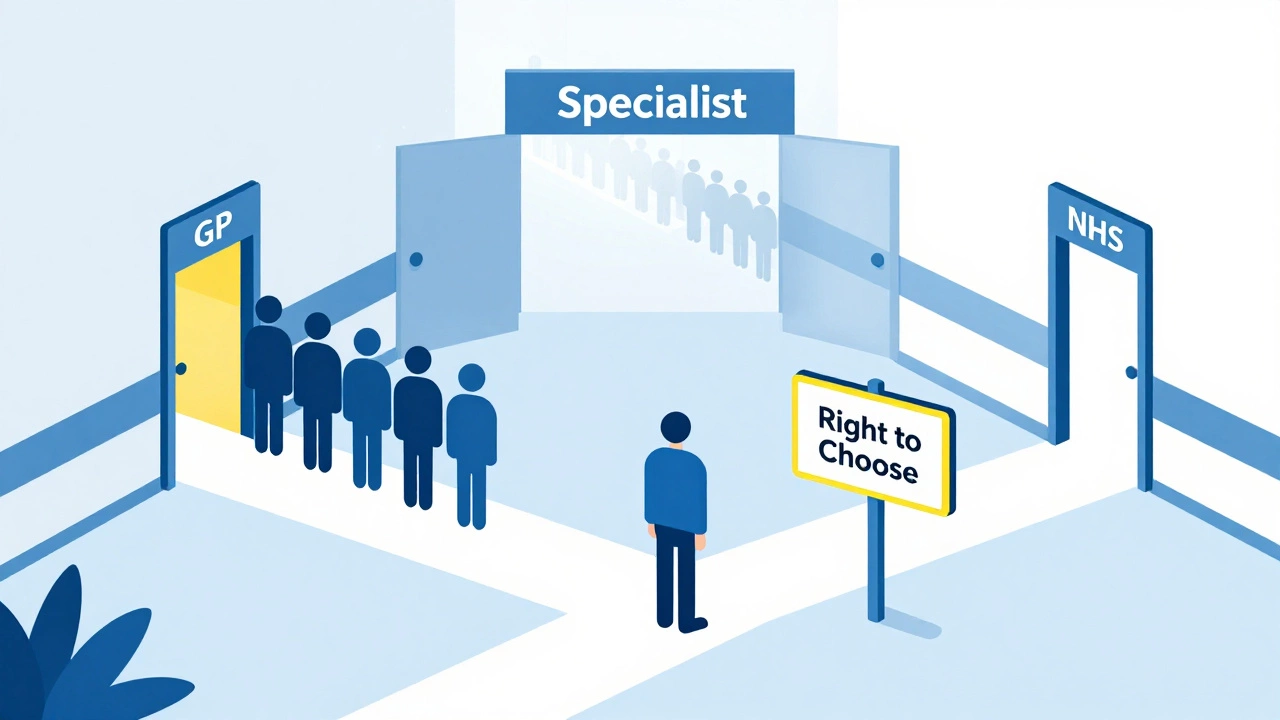
Here is a piece of information that many people miss: you have the legal right to choose which hospital or clinic sees you. This is called the "Right to Choose." You don’t have to go to the nearest hospital. You can pick any NHS provider that offers the treatment you need, as long as it meets quality standards.
Why does this matter for waiting times? Because some hospitals have shorter waiting lists than others. One trust might be backed up by three months, while another twenty miles away has openings next week. Your GP can help you with this. When they make the referral, simply ask, "Can I choose a different provider to reduce my wait?"
This option applies to adult referrals for secondary care. It doesn’t apply to emergency care or mental health services in the same way, but for things like orthopedics, dermatology, or gastroenterology, it can shave weeks off your wait. Just keep in mind that traveling further might mean higher transport costs or logistical headaches, so weigh the trade-offs carefully.
Private Healthcare as an Alternative
If the NHS wait is affecting your quality of life, or if you need treatment for work reasons, private healthcare is a viable alternative. Many people assume private care is prohibitively expensive, but that isn’t always true. For a single procedure or consultation, paying out-of-pocket can cost between £500 and £2,000, depending on the specialty.
You can also buy private health insurance. These policies vary widely. Some cover pre-existing conditions; others don’t. Most exclude mental health or chronic diseases unless you pay extra premiums. Before signing up, read the small print. Look for policies that include "direct billing," where the insurer pays the hospital directly, so you don’t have to front the cash and claim it back later.
One major advantage of private care is speed. You can often see a specialist within days, not months. Diagnostic tests like MRIs or CT scans are also much faster. If you’re dealing with chronic pain or a mobility issue that prevents you from working, the financial argument for private care becomes stronger when you factor in lost wages.
| Service Type | NHS Target Wait | Typical Real-World Wait (NHS) | Private Care Wait |
|---|---|---|---|
| GP Appointment | Within 2 weeks | 1-4 weeks (varies by region) | 1-3 days |
| Specialist Referral (Non-Urgent) | 18 weeks | 20-40+ weeks | 1-4 weeks |
| Suspected Cancer Pathway | 2 weeks | 2-3 weeks | Days to 1 week |
| Diagnostics (MRI/CT) | Varies | 4-12 weeks | 1-7 days |
What To Do While You Wait
Passive waiting is rarely helpful. Here are concrete steps you can take to stay proactive:
- Check your online records: If you use the NHS App, log in regularly. Updates sometimes appear there before letters arrive in the post.
- Call the hospital switchboard: If you know which department you were referred to, call them directly. Ask for the triage nurse or the administrative team handling referrals. Have your NHS number ready.
- Ask about cancellation lists: When you finally get an appointment date, ask if you can be added to a cancellation list. People frequently cancel last minute, freeing up slots for others.
- Document your symptoms: Keep a diary of how your condition is progressing. If your symptoms worsen while waiting, contact your GP immediately. They may be able to escalate your case to urgent status.

Regional Differences Matter
Not all of the UK experiences the same delays. London, for instance, often has better access to specialists due to the density of teaching hospitals and private providers. Rural areas in Scotland, Wales, and Northern Ireland may face longer travel times and fewer local options, leading to compounded delays.
Data from 2025 and early 2026 shows that waits in the North East of England and parts of Yorkshire remain among the longest for elective procedures. If you live in these areas, exploring the Right to Choose option becomes even more critical. Don’t assume your local hospital is your only option.
When to Escalate
If you feel your wait is unreasonable, you have recourse. You can complain to the hospital trust. Start with the local resolution team. If that fails, you can escalate to the Parliamentary and Health Service Ombudsman. While this won’t magically speed up your appointment, it creates a formal record and can sometimes trigger a review of your case.
Also, consider if your condition qualifies for social prescribing. Link workers can connect you with community support groups, physiotherapy classes, or counseling services that don’t require a specialist referral. These resources can help manage symptoms while you wait for the main event.
How long does it take to hear back from NHS after a referral?
Officially, you should be seen within 18 weeks of a non-urgent referral. However, receiving confirmation of your appointment date can take anywhere from 2 to 8 weeks. If you haven’t heard anything after 6 weeks, contact your GP’s office to check the status of your referral in the electronic system.
Can I choose which hospital I go to on the NHS?
Yes, under the "Right to Choose" policy, you can select any NHS provider that offers the treatment you need. This allows you to pick a hospital with shorter waiting lists. Your GP can facilitate this referral, but you must initiate the request. This applies to adult secondary care referrals, not emergency or primary care.
What should I do if my symptoms get worse while waiting?
Contact your GP immediately. Describe the new or worsening symptoms. They may be able to re-triage your referral as urgent, potentially moving you up the queue. If your GP is unavailable, call NHS 111 for advice. Do not wait for your scheduled appointment date if your condition deteriorates significantly.
Is private healthcare worth it for shorter waiting times?
If time is critical and you have the financial means, yes. Private care can reduce waiting times from months to days. Costs vary, but a single consultation might cost £200-£500, while surgery can range from £2,000 to £10,000+. Check if your employer offers private health insurance or if you have existing coverage that includes outpatient treatments.
How do I track my NHS referral status online?
You can use the NHS App or the NHS website’s "Find a Service" tool if you have an account linked to your medical records. Additionally, many GP practices now use patient portals like SystmOnline or Accurx where you can view messages and referral updates. Log in regularly to check for digital correspondence, as paper mail can be delayed.